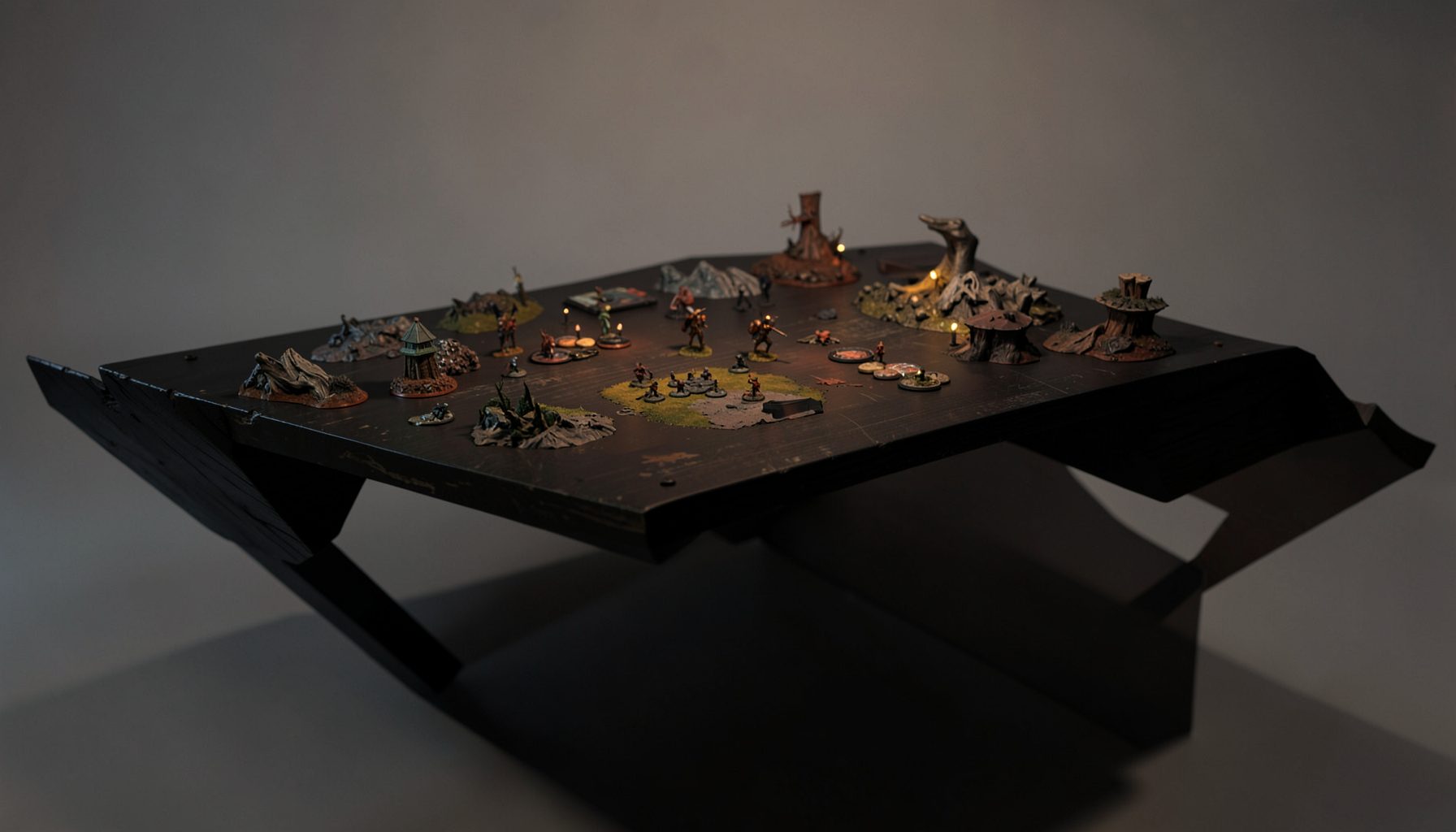
Live-streamed games, recorded matches, and event data gathered in one place.
Kill Team Stream hosts quality live streaming of Kill Team content — tournaments throughout the year on Twitch, regular games streamed to the channel, and tournament data gathered so players can see what's happening in the scene. Powered by WARHAMMER.
Browse tournamentsOfferings
Tournaments
Multiple Kill Team tournaments hosted throughout the year, all live-streamed on our Twitch channel.
Videos
Streams are recorded and uploaded to YouTube alongside original video content we produce.
Event Data
Tournament packets from past events plus resources for upcoming Kill Team tournaments.
Site Directory
The Most Overlooked Rules in Kill Team That Win Games
Kill Team games are often decided by a single operative standing in the right spot, a mission action completed at the perfect moment, or a line of sight that was measured correctly. The dramatic charge gets remembered, but the quiet rules interactions usually create the winning position several turning points earlier.
Competitive players learn this quickly. A team may look powerful on paper, yet lose because its leader was exposed during the first turning point, an objective was left unsecured, or an operative forgot that cover changes how a shooting attack resolves. These details are easy to miss when the table is busy and the clock is running.
That matters across the Australian scene, from packed events in Melbourne and Sydney to weekend tournaments in Brisbane, Perth and Adelaide. Travel, venue hire and limited rounds make every game valuable, so clean rules knowledge can be as important as list construction. Knowing the less glamorous parts of the rules helps players avoid “that’ll do” decisions that cost a match.
Initiative Is More Than a Roll-Off
Initiative determines much more than who activates first. It affects who can take the final action in a turning point, who gets the first chance to contest an objective and which player must reveal their plan before the opponent does. A player who wins initiative can sometimes force an early response, then use the remaining activations to attack a weakened position.
The important habit is to plan around both possible results. Before rolling, identify the operative that benefits most from acting first and the one that can safely wait. If your best move depends entirely on winning initiative, the plan is fragile. If either result leaves you with a useful activation sequence, you are playing the rules rather than gambling on them.
Initiative also interacts with action economy. A fast operative may take an objective action before an enemy can intervene, while a concealed specialist can remain safe until the opponent has committed a key model. Players at a Canberra or Gold Coast event often have limited time between rounds, so rehearsing these sequences before the tournament prevents slow, uncertain turns.
Concealment, Cover and Visibility Work Together
Concealment is frequently treated as a simple “cannot be shot” state, but its value depends on the terrain and the attacker's position. Cover, visibility and the exact wording of an operative’s order all influence whether a shooting attack can be made and how its dice are resolved. A model can appear protected while still being exposed to an angle that the player did not notice.
Before moving an operative, check the intended destination from the likely enemy firing positions. A wall that protects a model from one direction may leave it visible from another. Similarly, moving into cover does not automatically make every attack harmless; cover often affects attack resolution rather than preventing the attack altogether. Marking key sight lines with terrain features or tokens can make this much easier during a streamed match.
The distinction is especially important for teams that rely on stealth, snipers or fragile specialists. A concealed operative may be safe while holding a position, then become vulnerable after performing an action or making an attack. For a broader grounding in interactions like these, rules and FAQs guide can help players cross-check the core rules before an event.
Mission Actions Are Winning Actions
Players sometimes treat mission actions as something to do after the fighting is finished. In competitive Kill Team, they are usually part of the primary plan from the first turning point. Securing an objective, planting an item, gathering a token or completing a faction-specific task can be worth more than removing an enemy operative.
A strong mission operative is not automatically the one with the highest movement characteristic. It needs a route, protection and a useful fallback if the opponent contests the area. Ask which model can perform the action safely, which enemy can interrupt that plan and whether the action changes the scoring position immediately or only at the end of the turning point.
Timing is another hidden factor. Some players activate a specialist early because the model has an obvious job, then discover that the opponent can simply counteract or charge it. Holding the operative until the enemy’s most relevant threat has activated may create a safer window. A mission action completed late can be worth more than a risky attack made early.
Control Range Changes How Operatives Fight
Control range is easy to overlook because it is less visually dramatic than a charge or a shooting attack. Yet it decides who controls an objective, whether a model can move freely and how dangerous a contested area really is. A model that appears to be standing beside an objective may have no practical control if an enemy has the relevant presence nearby.
Measure control range before committing to a fight. Moving closer can improve objective control, but it can also place an operative within range of a charge or a reaction. Sometimes the correct play is to leave an enemy alive while denying its access to the objective. Sometimes removing a weak model is essential because its control range blocks your scoring plan.
This is where base placement matters. Two operatives can be separated by only a small distance and still have very different control over a marker. Australian tournament tables often use dense, carefully arranged terrain, so bases can end up near walls, barricades and objective markers at awkward angles. Take the extra moment to confirm the measurement instead of relying on how the position looks from across the table.
Counteractions Reward Patience
A counteraction is more than a consolation activation. It can interrupt an opponent’s carefully prepared sequence, punish an exposed operative or force a change in target priority. Players who spend every available action immediately may leave themselves with no answer when the opponent makes the crucial move.
The best counteraction is often prepared several activations in advance. Keep a suitable operative in a position where it can respond, avoid blocking its movement with friendly models and consider whether it needs line of sight, control range or a specific order. A concealed model that cannot legally perform the required response is not really providing defensive pressure.
Patience does not mean refusing to act. It means recognising when an activation has greater value after the opponent commits. If an enemy fighter must cross open ground, wait until it has moved. If an objective is likely to be contested, preserve the operative that can take it back. This approach is particularly useful in five-round events where preserving a scoring lead matters more than chasing a flashy kill.
Equipment and Tactical Ploys Need a Trigger Plan
Equipment is often chosen during list building and then forgotten until a model is already in danger. The strongest pieces usually need to influence movement, positioning or target selection before the attack begins. If an item improves a specialist’s reliability, plan the turn around the point at which that improvement matters rather than treating it as a bonus to remember later.
Tactical ploys have the same issue. Their value depends on timing, resources and legal targets. A ploy that looks powerful may be wasted if used on an operative that cannot reach a meaningful target, while a modest defensive ploy can protect the model that holds the primary objective. Read the full sequence before spending command points: eligibility, timing, effect and any restrictions.
A useful tournament routine is to place a small reminder beside each relevant operative card. Write the key trigger in brief language, such as “after charge” or “before shooting,” without replacing the official wording. This is practical for club nights in Sydney or Perth, where players may be learning a new team between games and do not want to search through several pages during every activation.
Turning Points Are Built on Information
Many errors happen because players think only about the current activation. A turning point is a chain of information: which operatives have activated, which threats remain, what the opponent is trying to score and which resources are still available. Every move should reveal as little as possible while forcing the opponent to reveal more.
This makes low-risk actions valuable. A model can move into a protected position, perform a minor mission action or hold an angle without exposing the team’s main intention. Meanwhile, the opponent may be forced to activate a specialist early. Once that information is available, your strongest operative can respond with greater confidence.
The same idea applies to end-of-round scoring. Do not assume that an objective is safe because your model is standing on it. Check enemy control range, possible charges, mission conditions and whether an operative will still be eligible to score. The table below summarises the overlooked rules areas that most often convert into points or denied points.
| Rules area | Common mistake | Stronger habit | Typical payoff |
|---|---|---|---|
| Initiative | Choosing an activation without considering the opponent’s reply | Plan two useful sequences before the roll | Better timing and fewer forced trades |
| Concealment and cover | Assuming cover makes an operative untargetable | Check visibility, order and attack wording | Fewer avoidable wounds |
| Mission actions | Waiting until the fight is nearly over | Build routes and protection into deployment | More primary points |
| Control range | Measuring only to the marker | Check enemy and friendly control ranges | Denied scoring and successful contests |
| Counteractions | Spending every activation immediately | Preserve a legal response model | Punished enemy commitments |
| Equipment and ploys | Using effects whenever they are available | Match each effect to a trigger and target | Better resource efficiency |
| Turning-point planning | Focusing on one activation | Track information, scoring and remaining threats | More reliable end states |
The best players are not necessarily the ones who remember every obscure interaction instantly. They are the ones who create habits that surface the right question at the right time: who controls this objective, what can interrupt this action, which line of sight is legal, and what happens after this operative activates?
A Practical Rules Routine for Tournament Day
Before the first turning point, identify the primary scoring route, the enemy’s most dangerous specialist and the terrain features that define the central lanes. During the game, pause before important actions and check the complete sequence: order, movement, visibility, range, control, target eligibility and scoring. A ten-second check is faster than repairing a mistaken move several activations later.
After each turning point, record what has changed. Note which operatives have activated, which ploys are gone, which objectives are contested and what the opponent is likely to do next. This keeps the game state manageable when fatigue sets in, especially during a long Saturday event in Melbourne or a travel-heavy tournament weekend in regional New South Wales.
Rules mastery is practical rather than flashy. It means using concealment correctly, measuring control range, protecting mission actions, preserving counteractions and spending resources with a clear trigger in mind. Those habits turn close games into controlled ones, giving players a reliable edge whether they are watching a streamed final or lining up across the table at their local club.
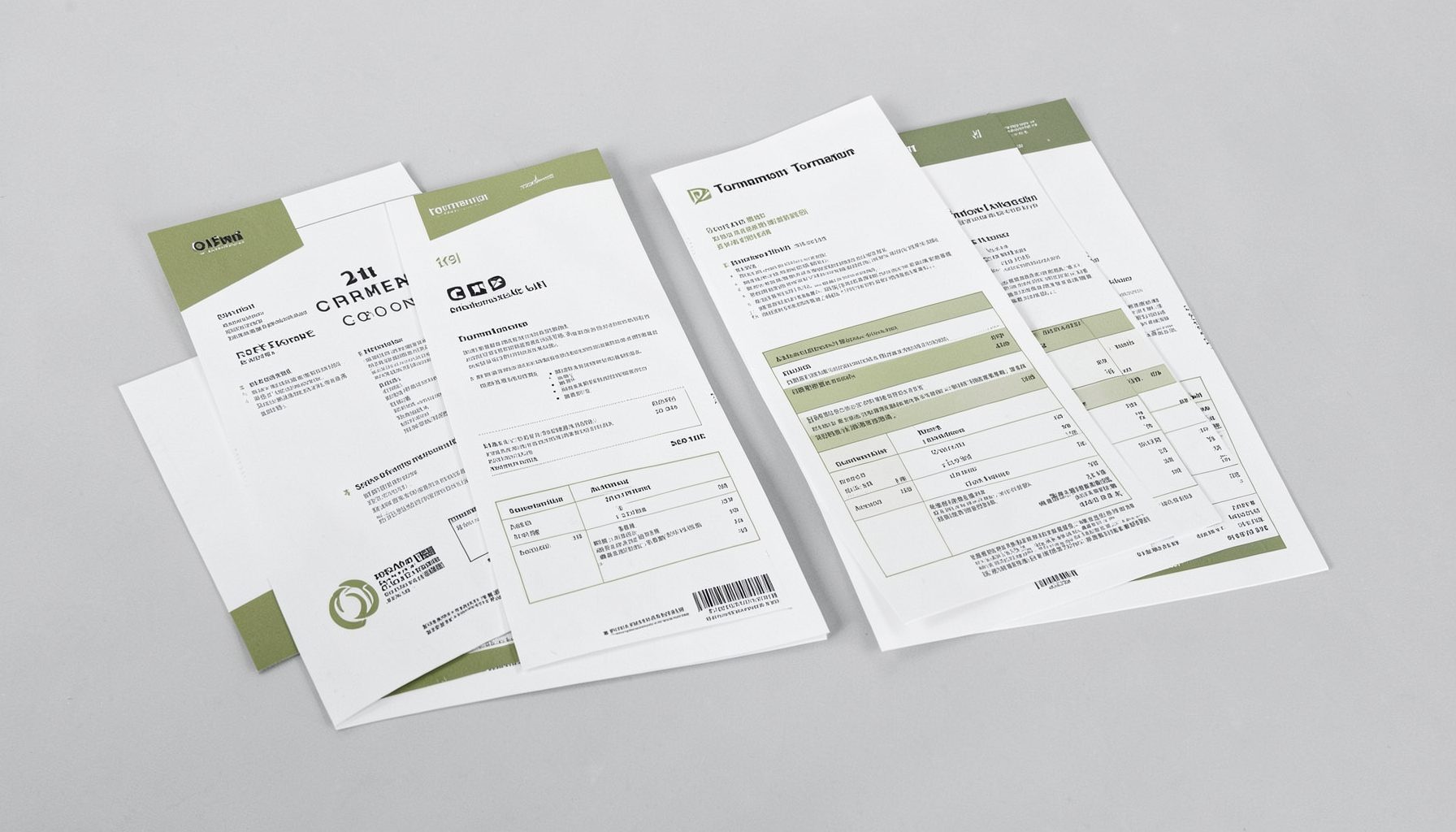
Tournament Packets
Packets from previous Kill Team events are kept here alongside new packets for upcoming tournaments, so organizers and players have what they need in one place.
View Event Data