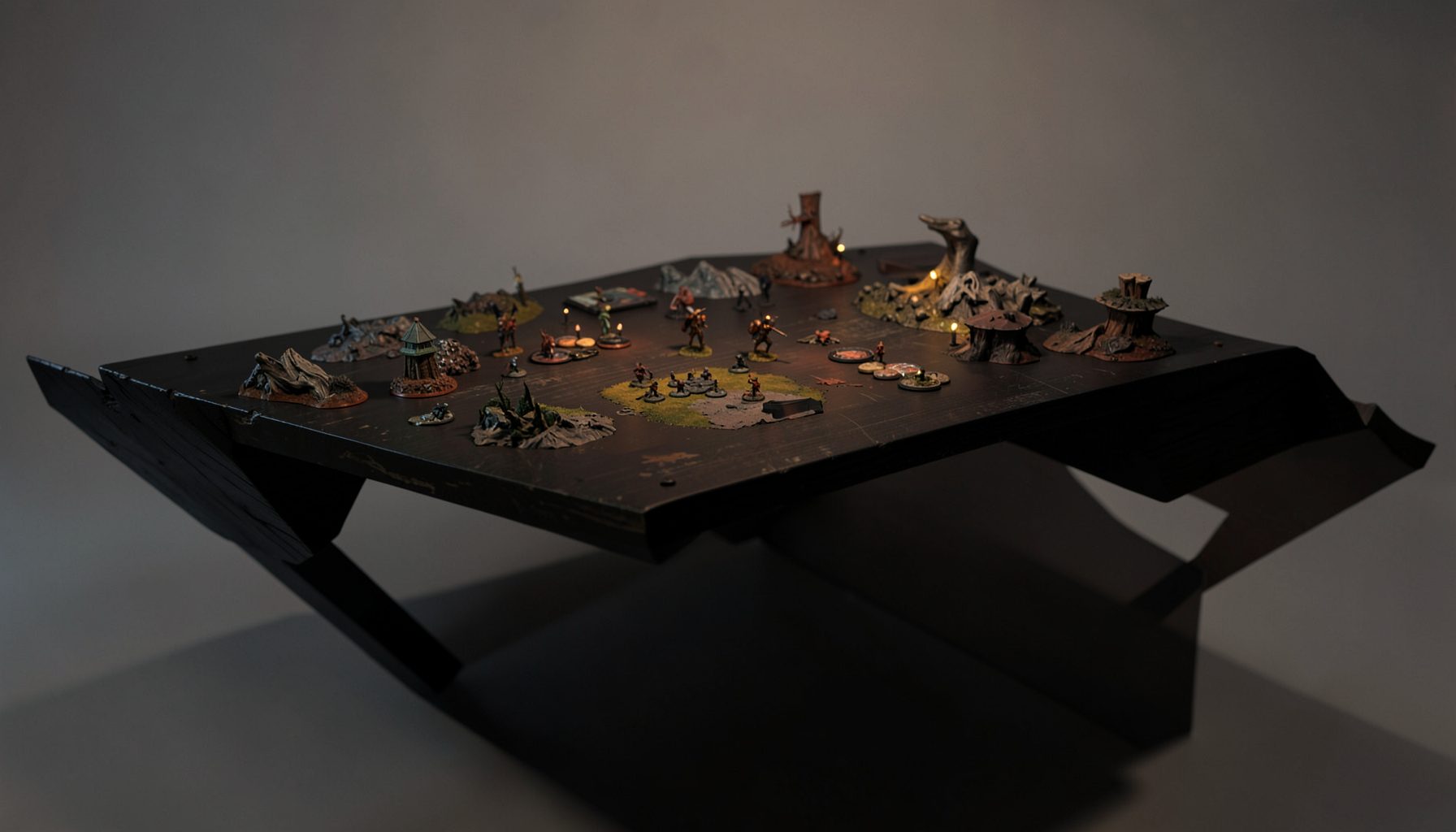
Live-streamed games, recorded matches, and event data gathered in one place.
Kill Team Stream hosts quality live streaming of Kill Team content — tournaments throughout the year on Twitch, regular games streamed to the channel, and tournament data gathered so players can see what's happening in the scene. Powered by WARHAMMER.
Browse tournamentsOfferings
Tournaments
Multiple Kill Team tournaments hosted throughout the year, all live-streamed on our Twitch channel.
Videos
Streams are recorded and uploaded to YouTube alongside original video content we produce.
Event Data
Tournament packets from past events plus resources for upcoming Kill Team tournaments.
Site Directory
Playing with one special weapon operative in Kill Team
Choosing a single special weapon operative can shape an entire Kill Team. A gunner, heavy gunner, sniper or similar specialist may deliver the most impressive attack in the roster, yet that power comes with a cost: the model often becomes a priority target and can leave the team with fewer answers when the battlefield changes.
The decision is rarely about raw damage alone. A special weapon has to fit the team’s operatives, mission actions, deployment options and preferred pace. A high-powered operative may be excellent on an open board, then feel awkward on a dense Into the Dark-style layout where sightlines are short and close combat arrives quickly.
For Australian players, the question also has a practical side. Local events in Sydney, Melbourne, Brisbane, Adelaide and Perth can feature different terrain collections, event packs and player expectations. A choice that performs well at a club night in Melbourne may need adjustment for a long weekend tournament in another state.
A single specialist can be an efficient, focused tool rather than a weakness. It can simplify roster construction and give a developing player one important set of rules to learn. The trouble starts when the rest of the team depends on that one operative doing everything.
What the choice really means
Running one special weapon operative usually means selecting one model with a distinctive ranged profile while filling the remaining places with more general-purpose operatives. This could be a sniper who rewards careful positioning, a heavy gunner who controls a lane, or a gunner carrying a weapon designed to punish clustered or armoured targets. The exact options vary by faction and edition, so the team’s current rules should always take priority over general advice.
The single-specialist approach is most attractive when the operative’s role is clear. A sniper might protect a vantage point and threaten key enemy models. A heavy weapon user may anchor one side of the board. A demolition-style operative might discourage an opponent from occupying a particular objective. If the model has a job that remains useful after its first shot, it contributes even when the dice are unkind.
This approach also reduces the mental load during a game. Rather than remembering several specialist weapon rules, range bands and tactical tricks, a player can concentrate on one premium asset. That is helpful for new competitors learning turning points, conceal orders, mission actions and the timing of firefights at the same time.
Where one specialist earns value
The clearest benefit is concentration. One special weapon operative allows the rest of the team to support a single plan: screen the shooter, secure its firing position, or force the opponent to expose a valuable target. A successful attack can remove an enemy leader, disable a key melee threat or make an objective lane much safer.
A single specialist also preserves model count. Some teams have strong reasons to include a normal operative instead of a second elite weapon carrier. Extra bodies can perform mission actions, contest objectives, open doors, perform pickups and create difficult movement problems. In missions where victory depends on board presence, a dependable generalist may score more value than another dangerous weapon.
There is a useful psychological benefit as well. Opponents know that the specialist matters, and they may spend early activations hiding from it. That pressure can open space for the rest of the team. A heavy gunner does not need to shoot five times to matter; sometimes its threat prevents an enemy from taking an efficient route across the board.
This is especially relevant in a live tournament environment, where time and information are limited. Watching streamed matches and reviewing tournament results can reveal whether successful players use their specialist as a damage dealer, a deterrent or a scoring piece. The strongest use is often less dramatic than a highlight-reel elimination.
The risks behind concentrated firepower
The obvious weakness is reliability. One operative can miss, roll poorly, lose line of sight, become injured or be removed before activating. If the entire plan assumes that model will delete a target in the first turning point, a single bad roll can damage the whole strategy. Multiple specialists offer redundancy; one does not.
A specialist may also be too narrow for the board. A weapon built for long lanes loses value when terrain blocks visibility. A blast or area-effect weapon may struggle when the enemy spreads out. A weapon intended to defeat tough targets can feel wasteful against numerous lightly armoured models. Terrain is not just scenery; it determines whether the operative can access its ideal engagement.
Positioning creates another cost. The model may need a vantage point, a clear corridor or a protected firing angle. Supporting it can consume movement and activations that could have been used for scoring. If the operative spends several turning points waiting for a perfect shot, its theoretical damage has not translated into practical advantage.
There is also a target-priority problem. An opponent who sees only one specialist can plan around it. They may hide the preferred target, charge the shooter, use a smoke effect, block a lane or force the operative to choose between shooting and scoring. A single threat is easier to read than a team with several credible attack routes.
Matchups, missions and terrain
The right choice depends heavily on the enemy. Against a compact elite team, one high-quality weapon may be enough to create a decisive early swing. Against a horde, the same operative may need support to prevent being surrounded. Removing one enemy is valuable, but it may not keep pace with an opponent who activates many models and scores through board control.
Mission actions can change the calculation. A specialist that is excellent at shooting may be poorly placed to carry an objective, retrieve an item or operate a console. Generalists often handle these tasks more efficiently, while the specialist protects them from a useful distance. The best single-weapon plan gives the model a way to contribute when no attack is available.
Deployment should be planned before the first turning point. Identify at least two useful positions rather than relying on one firing lane. The primary spot may be blocked, occupied or made unsafe by the opponent. A backup route allows the operative to remain relevant without wasting a full activation crossing the board.
Dense terrain rewards patience and short-range support. Open boards reward range, visibility and threat projection, but they can also expose the specialist to enemy fire. On boards with multiple levels, consider whether the model can reach a firing position without abandoning the mission. Height may provide a good view, yet the climb itself can cost precious actions.
A single special weapon should therefore be judged by expected influence, not its best-case profile. Ask whether it can threaten, score, screen or reposition across several turning points. A model that has three useful jobs is much safer than one that has only one spectacular attack.
Building and testing the plan
Start by identifying the team’s natural weakness. If the roster already has strong melee pressure but struggles to remove a durable enemy, a specialist ranged weapon may fill an important gap. If the team lacks bodies or mission tools, taking another premium attack may make the roster less balanced. The choice should solve a problem rather than simply add the largest damage number.
Then define the support package. The specialist may need a leader to provide a command effect, a concealment tool, a bodyguard to deter charges or a mobile operative to score while it holds the backfield. Support does not mean standing models around the shooter all game. It means giving the specialist enough protection and opportunity to influence the mission.
Testing should include poor outcomes. Play games where the specialist misses its opening attack, loses its ideal position or is taken out early. If the team can still score and contest the board, the choice is resilient. If the game becomes unwinnable after one failed activation, the list is too dependent on a single operative.
Australian tournament preparation benefits from this kind of realistic practice. Travel between local scenes can expose players to different faction pools, board layouts and interpretations of event packets. A team tested only at a regular club night may feel unfamiliar when used at a packed convention hall in Brisbane or during an early-morning round after a long drive from regional New South Wales.
The language around these games is often relaxed—players might call a particularly strong model “cooked” or say it “does work”—but competitive evaluation should remain precise. Track how often the specialist creates a scoring advantage, forces an enemy to hide, trades up or survives long enough to matter. Those results provide a clearer picture than memorable dice spikes.
Running one special weapon operative is a commitment to focused pressure. It works best when the model has several ways to matter, the team can protect it without sacrificing the mission, and the player has a plan for bad dice. Used that way, a single specialist is not merely a gamble for a big shot; it is a controlled part of a complete Kill Team strategy.
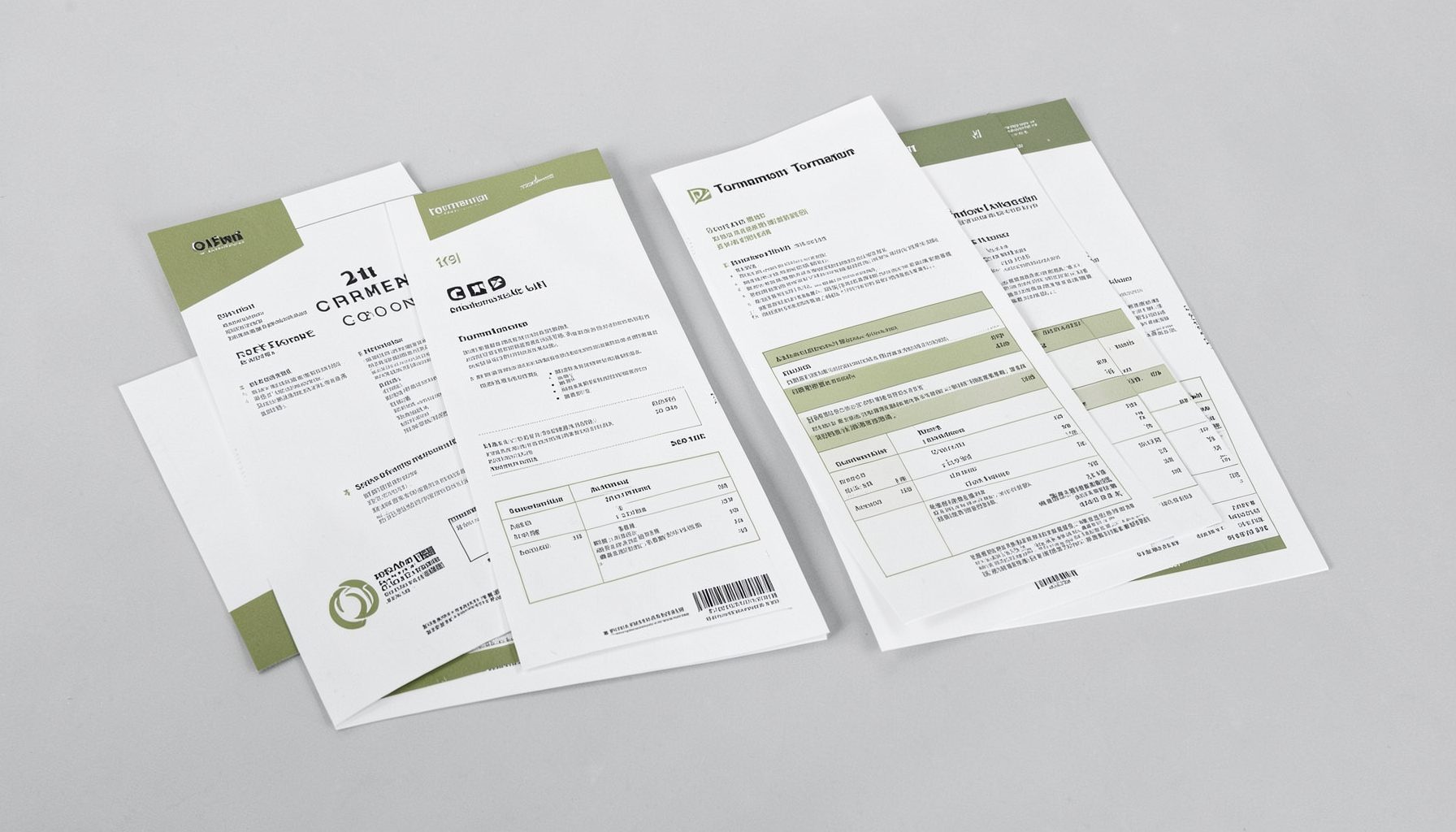
Tournament Packets
Packets from previous Kill Team events are kept here alongside new packets for upcoming tournaments, so organizers and players have what they need in one place.
View Event Data