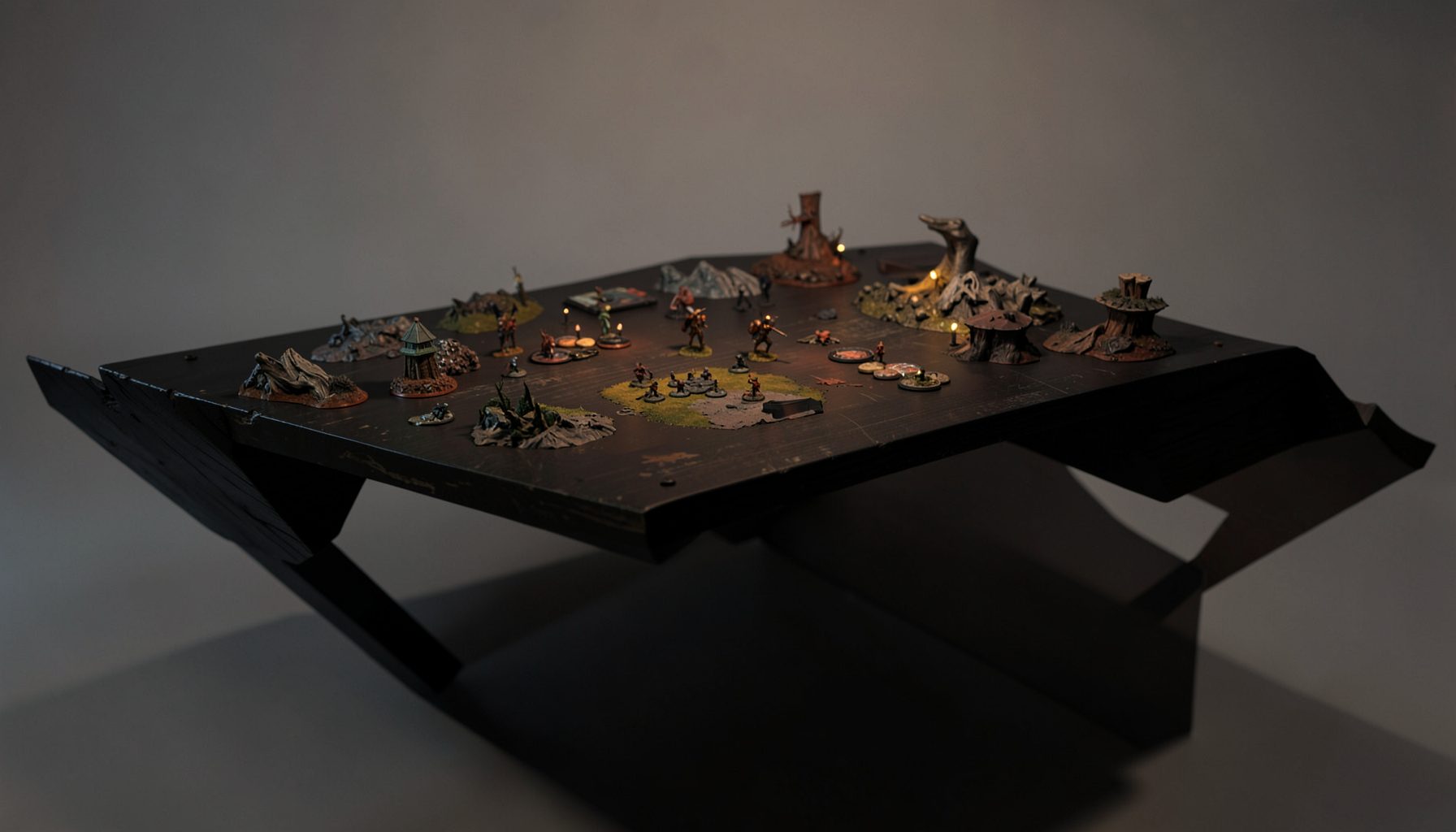
Live-streamed games, recorded matches, and event data gathered in one place.
Kill Team Stream hosts quality live streaming of Kill Team content — tournaments throughout the year on Twitch, regular games streamed to the channel, and tournament data gathered so players can see what's happening in the scene. Powered by WARHAMMER.
Browse tournamentsOfferings
Tournaments
Multiple Kill Team tournaments hosted throughout the year, all live-streamed on our Twitch channel.
Videos
Streams are recorded and uploaded to YouTube alongside original video content we produce.
Event Data
Tournament packets from past events plus resources for upcoming Kill Team tournaments.
Site Directory
Audio Design and Music in Kill Team Stream Productions
Kill Team Stream relies on far more than just clear camera angles and sharp commentary. The audio layer of a broadcast often dictates whether a viewer feels the weight of a well-timed charge or the tension of a measured plasma gun roll. Music and sound design work silently in the background, shaping the emotional tempo of every match and transforming a simple game of miniatures into a cinematic event. Whether you are tuning in live on Twitch or catching up later on YouTube, the auditory experience carries just as much storytelling responsibility as the visual one. The subtle interplay between a swelling orchestra and the click of a measuring tape creates a feedback loop, keeping audiences glued to their monitors.
Across Australia, this craft takes on a uniquely local flavour. Producers in Melbourne, Sydney, and Brisbane regularly tailor their soundscapes to suit regional listening habits, late-night viewing schedules, and strict local broadcasting guidelines. The combination of time zone differences, high-speed NBN internet, and a thriving local esports scene means Australian content creators have developed distinct approaches to live audio mixing. These methods comply with national regulations while resonating with a home audience looking for professional, immersive tournament entertainment. This regional identity gives local events a tangible edge, blending international standards with a uniquely Australian tone.
How Background Scores Shape Tournament Tension
A well-chosen background track can turn a routine activation roll into a heart-stopping climax. Producers for Kill Team Stream productions frequently curate playlists that blend dark ambient textures with industrial beats, reflecting the grimdark universe of the tabletop game. When a player commits their last operative to a desperate objective grab, the music swells, pulling viewers along the emotional arc of the match. This technique borrows heavily from traditional sports broadcasting, where dramatic scores highlight the importance of pivotal moments, turning a simple dice roll into a narrative milestone.
The choice of genre matters just as much as the timing. Synthwave and retro-futuristic compositions remain popular choices among the Australian fanbase, partly because they evoke the nostalgic feel of vintage sci-fi. However, orchestral scores are gaining traction for grand narrative events. By syncing the tempo of the music with the pace of the game, sound designers ensure that a long, methodical turning phase feels appropriately suspenseful, while a sudden flurry of attacks erupts with chaotic energy. Producers frequently study viewer retention data to determine exactly when a musical swell creates the most significant emotional impact.
From a psychological perspective, music triggers a release of dopamine that keeps viewers engaged during slower phases of the game. When the audio drops out completely during a critical saving throw, the silence itself becomes a powerful storytelling tool.
The Clarity of Sound Effects and Player Communication
While music sets the mood, diegetic sound effects provide essential context during gameplay. The sharp clack of plastic dice on a tabletop, the rustle of measuring tapes, and the click of a miniature being placed into cover all contribute to the tactile realism of the stream. High-quality microphones capture these tiny audio details, allowing viewers to feel as though they are sitting right across the table from the players. For those learning the rules, these ambient sounds help demystify the physical rituals of the game, providing an auditory roadmap of the hobby.
Clear verbal cues remain the most critical audio element on any competitive broadcast. Participants need to speak with precision to ensure that audiences understand the mechanics behind every move. When a player announces a command re-roll or explains a specific faction ability, that information forms the backbone of the educational value of the stream. Viewers interested in the mechanical side of the game might also study resources like a Warden Healer configuration guide for veteran trials, though hearing the tactics explained live offers a completely different kind of insight.
Managing dead air is another crucial aspect of live communication. If a player takes too long to resolve an attack, producers can use subtle audio cues, like a low hum or a rising drone, to maintain engagement. These sonic fillers prevent the broadcast from feeling stagnant while respecting the concentration of the competitors.
Syncing Audio with the Visual Director
Behind the scenes, a live director orchestrates the complex dance between visual switching and audio mixing. When the camera cuts from a wide shot of the board to a close-up of a player's reaction, the audio engineer must seamlessly transition the focus of the microphones. This requires precise coordination to avoid awkward audio jumps or feedback loops. In a country as vast as Australia, where event spaces might range from community halls in Perth to dedicated studios in Sydney, this technical coordination is a significant logistical challenge.
Latency is another constant hurdle. Because live broadcasts travel across the National Broadband Network and out to global platforms, audio engineers must account for milliseconds of delay. They use specialised software to synchronise the audio waveforms perfectly, ensuring that what viewers see and hear is exactly what is happening on the table. A delayed reaction shot or an echoing dice roll can instantly break immersion, so maintaining this technical harmony is a core responsibility of the production team.
Modern mixing consoles allow engineers to assign different audio feeds to specific camera angles. For instance, the ambient table microphone might take precedence when the camera is focused on the board, while caster microphones become dominant during the analysis segments. This dynamic routing adds a professional polish to the stream.
Local Rules and Copyright Considerations
Australian broadcasters face a specific set of regulatory and copyright hurdles. Music played on stream must be properly licensed through bodies like APRA AMCOS, or producers must rely on royalty-free repositories to avoid potential copyright strikes. Global platforms like YouTube and Twitch enforce strict automated content matching systems, meaning an unlicensed track can mute or block a VOD entirely. This has led many local creators to invest in original scores or commission Australian musicians to create custom soundscapes for their events, ensuring complete legal compliance.
Beyond copyright, the Australian Communications and Media Authority oversees general broadcasting standards, which influence how live content is presented to the public. While tabletop gaming streams generally fall outside traditional broadcasting codes, professional tournament organisers often voluntarily adhere to guidelines regarding language and conduct. This commitment to high production standards protects the longevity of the local scene and ensures that sponsors remain comfortable associating their brands with the competitive community.
Twitch specifically maintains regional guidelines that affect how Australian channels operate. Streamers must navigate geo-blocking restrictions and ensure their audio levels meet the platform's automated loudness standards. Failure to comply can result in reduced visibility or temporary channel restrictions, making careful audio mastering a business necessity.
Listening Habits of the Australian Audience
The way Australians consume streamed content shapes how audio is mixed and mastered. Many viewers watch from the comfort of their homes in the AEDT or ACST time zones, often catching European or American tournaments late at night or early in the morning. Because of this, local producers prioritise dialogue clarity, knowing that many fans will be listening through television speakers rather than high-end studio monitors. They carefully balance commentary levels against background music so that nothing gets lost when the volume is turned up in a busy household filled with the noise of daily life.
Headphones remain incredibly popular for solo viewing, particularly in densely populated areas like Melbourne and Brisbane where thin apartment walls encourage quieter entertainment. Streamers frequently test their audio mixes using both headphones and standard earbuds to ensure compatibility across different devices. This dual approach helps catch frequency imbalances that might otherwise frustrate viewers who tune in during their commute on public transport or while relaxing at a local gaming cafe.
Additionally, the Australian heat and climate often mean people host outdoor gaming sessions. Producers who account for wind noise and outdoor ambient sound in their audio design create more versatile content that can be enjoyed in a variety of relaxed, open-air settings.
Local Audio Engineers and the Future of the Scene
The Australian production scene is home to a growing number of talented audio engineers who are pushing the boundaries of what a tabletop stream can sound like. From independent commentators in Adelaide to dedicated sound mixers working major events in Canberra, these professionals are bringing broadcast-quality polish to the miniatures hobby. Their work involves everything from setting up portable mixing boards at community centres to designing custom audio plugins that react to specific in-game triggers, elevating the overall production value.
Collaborations between local musicians and tournament organisers are also becoming more common. By commissioning original tracks from Australian composers, Kill Team Stream productions support the local creative economy while securing unique audio assets that no other broadcaster can use. This symbiotic relationship benefits everyone involved, fostering a richer cultural ecosystem around the game. As technology continues to advance, the role of music and sound design in these productions will only grow, ensuring that the auditory experience remains as thrilling and immersive as the battles fought on the tabletop.
Looking ahead, artificial intelligence is beginning to play a role in audio mastering. Local engineers are experimenting with AI-driven noise suppression and automated mixing tools that can adapt to the chaotic audio of a busy tournament hall. These innovations promise to make professional-grade audio accessible to even the smallest community-run streams.
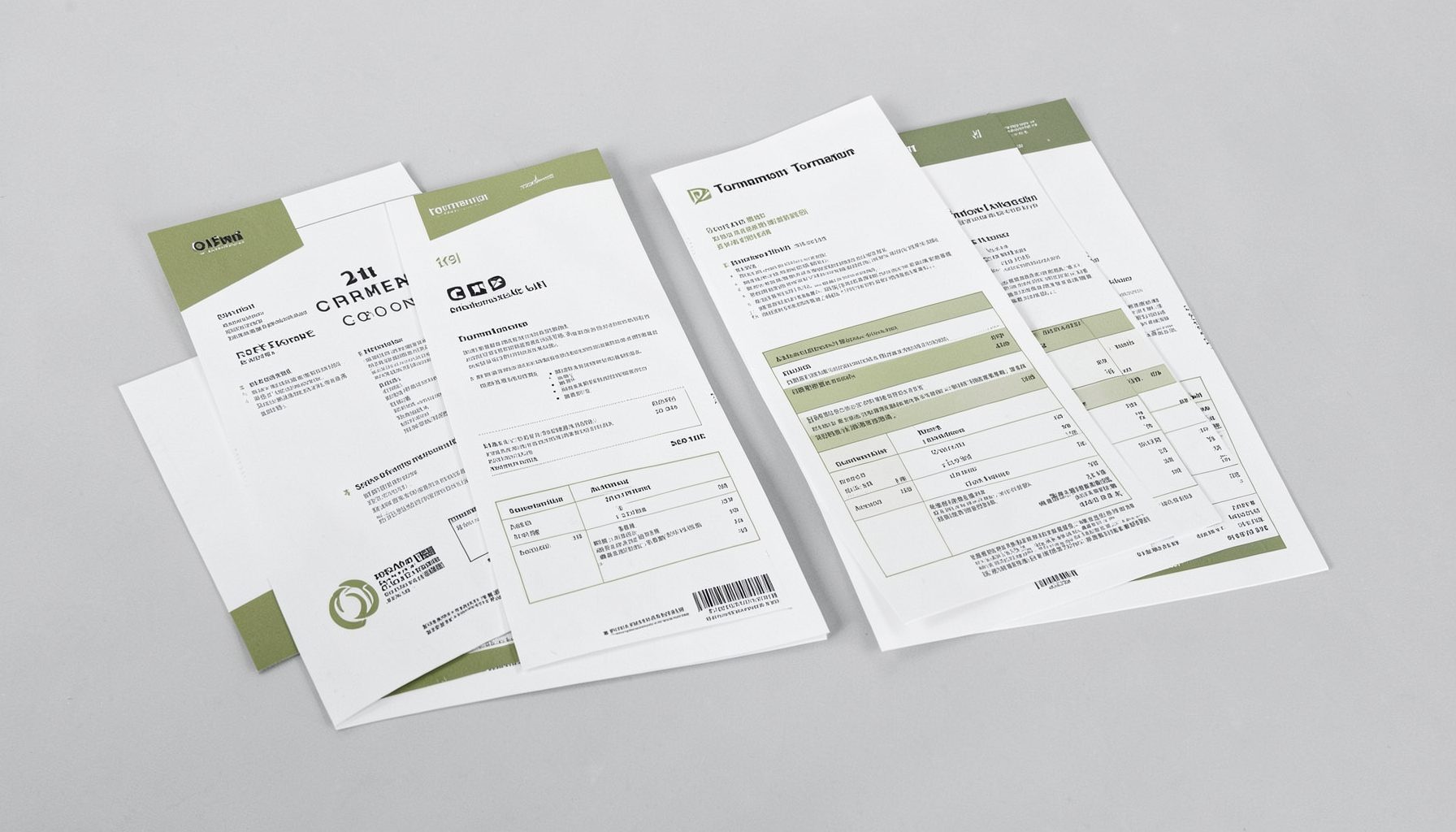
Tournament Packets
Packets from previous Kill Team events are kept here alongside new packets for upcoming tournaments, so organizers and players have what they need in one place.
View Event Data