Live-streamed games, recorded matches, and event data gathered in one place.
Kill Team Stream hosts quality live streaming of Kill Team content — tournaments throughout the year on Twitch, regular games streamed to the channel, and tournament data gathered so players can see what's happening in the scene. Powered by WARHAMMER.
Browse tournamentsOfferings
Tournaments
Multiple Kill Team tournaments hosted throughout the year, all live-streamed on our Twitch channel.
Videos
Streams are recorded and uploaded to YouTube alongside original video content we produce.
Event Data
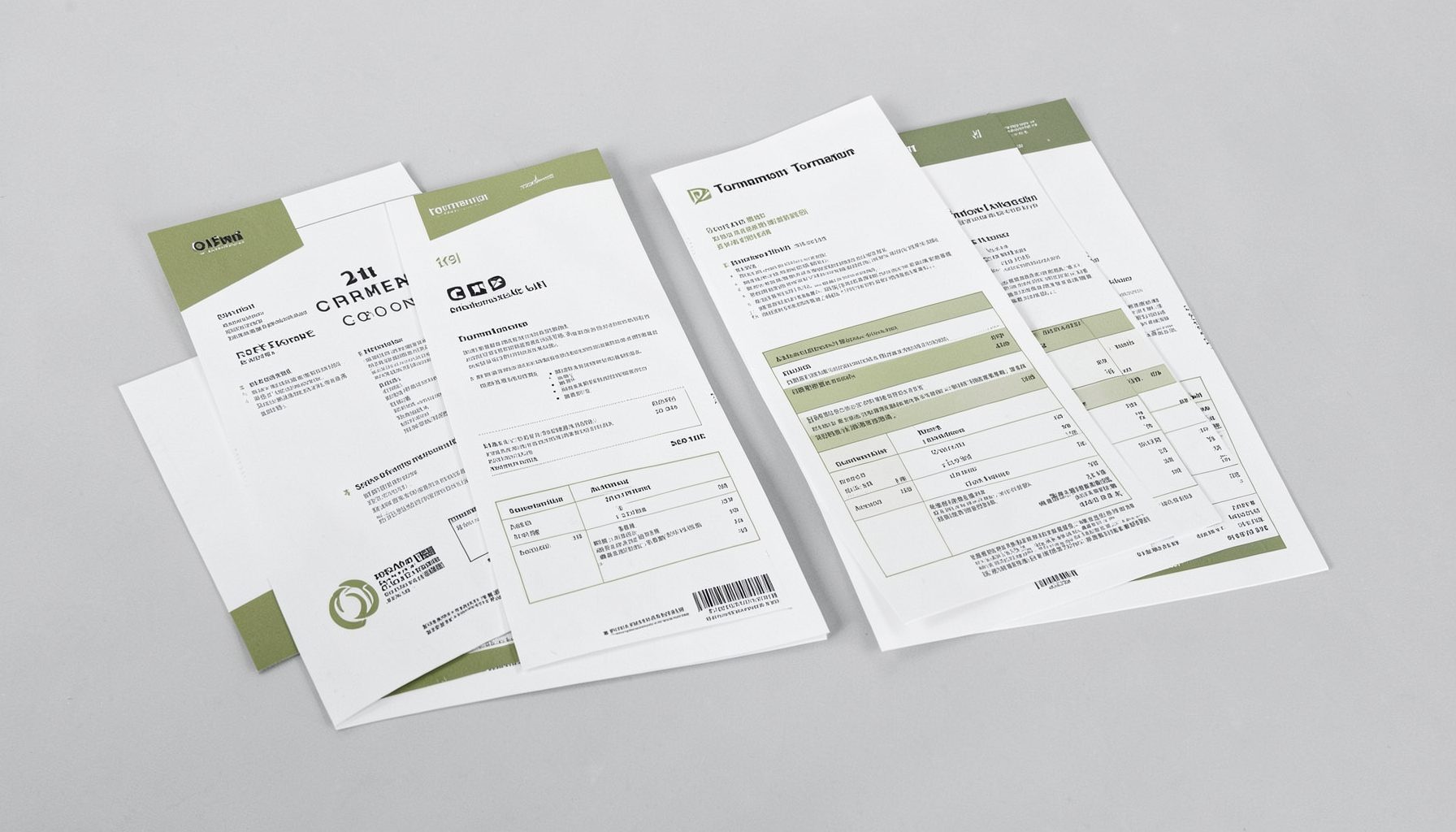
Tournament packets from past events plus resources for upcoming Kill Team tournaments.
Site Directory
How obscuring terrain reshapes movement on the Kill Team board
When the Maelstrom Games invitational in Melbourne wrapped its semifinals, the winning Phobos Strike Team didn't rely on a single clever ploy. Instead, the player piloted operatives around a stack of crates and a collapsing wall, using every piece of obscuring terrain on the board to deny sight lines until the final activation. Across the Australian competitive scene, similar patterns are emerging as players recognise that an obscuring wall is rarely just a wall, it is a tempo tool that shapes how, when and where an operative can move.
Obscuring terrain in Kill Team blocks line of sight when a straight line drawn from one model's head to another passes through the terrain piece. Because the game measures visibility from the head, even a short barricade can hide a model that would otherwise be exposed. Players must lean their operatives around corners to confirm targets, and the rule applies regardless of what other terrain sits on the table.
For viewers tuning in to Kill Team Stream from Sydney, Brisbane or Perth, the implications are visible long before the dice are rolled. Positioning around terrain now takes up a noticeable slice of stream time, with commentators pausing to point out which operatives enjoy cover and which are forced into the open. Players preparing for local events are starting to treat their terrain box the way they treat their operative selection.
The conversation has grown partly because recent balance updates clarified how pieces interact and partly because Australian players have shared more annotated battle reports online. What follows is a closer look at how this category of terrain reshapes movement on the board, drawing on footage archived by Kill Team Stream and insights gathered from competitive play across the country.
What obscuring terrain actually does
Obscuring terrain in Kill Team is one of three terrain classifications listed in the core rules, alongside Light and Heavy terrain. The mechanic is straightforward: any model that is more than two inches behind an obscuring piece and has line of sight drawn through it is hidden from enemies. This means a barricade can protect a veteran gunner on the far side just as effectively as a multi-storey ruin protects a sniper perched on a high floor, so long as the geometry works.
The clarity of this rule is what makes the terrain type so powerful. Because obscuring is binary rather than partial, players can plan movements with a clear mental map of which operatives are visible at any given activation. A defender who knows their barricade blocks sight lines to the centre of the board can shift troops forward without fear of being gunned down.
Players sometimes confuse the rule with cover, but the two operate independently. Cover saves still apply when an operative is shot, regardless of whether they were targeted while obscured. Australian tournament organisers, including those running the Good Games store series in Adelaide, now include a printed reminder of this difference in their event packets, helping newcomers avoid the most common misconception at the table.
Comparing the terrain classifications
| Classification | Blocks line of sight? | Provides cover save? | Climable? | Best used for |
|---|---|---|---|---|
| Light | No | Yes | No | Fillers and scatter decoration |
| Heavy | Yes, blocks line of sight entirely | Yes | Often | Skirmish lanes and central ruins |
| Obscuring | Yes, for models more than two inches away | Yes | Sometimes | Walls, barricades and container stacks |
The table highlights why obscuring terrain occupies such a unique niche. Heavy terrain blocks visibility entirely but tends to be reserved for large centrepieces that occupy a fixed footprint, whereas obscuring pieces are typically placed along the edges and lanes of the board. Light terrain only provides a cover bonus without altering visibility, making it useful for dressing a table but rarely decisive on its own.
Reading the board through obscuring lanes
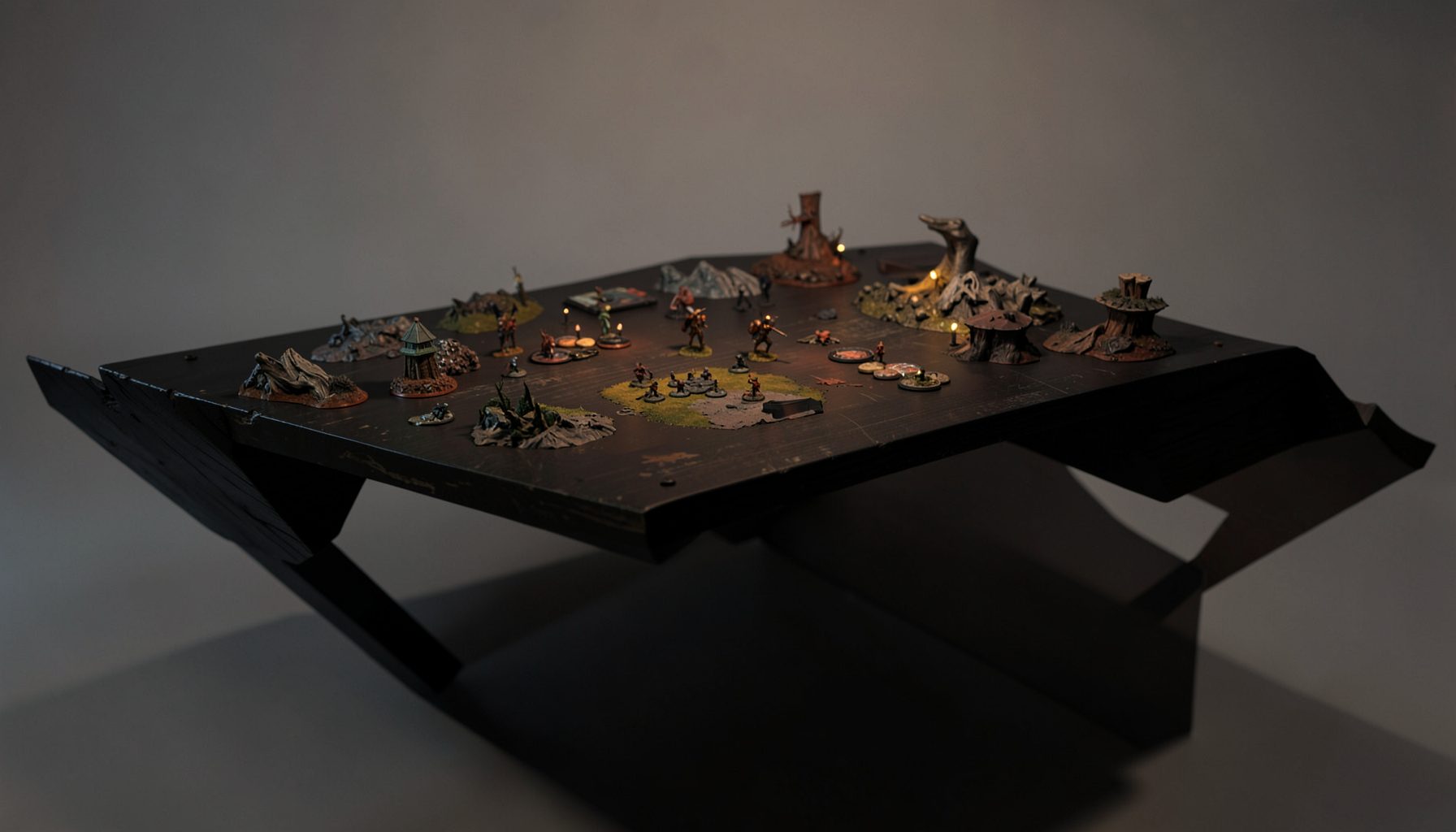
A board covered in obscuring terrain naturally divides into lanes, which are corridors of visibility carved out by the placement of walls, containers and other vertical pieces. Skilled players learn to read these lanes before the first activation, identifying where their operatives will be visible and where they will be hidden. Movement then becomes a question of stepping between lanes, popping out only when an engagement favours the mover.
Lane discipline matters more in missions with sparse terrain. When a Kill Team board contains only three or four obscuring pieces, each lane becomes a chokepoint that the defending player can hold with a single operative. Attackers are forced into a series of duels, with each push requiring a coordinated trade of activations. This style of play rewards patient players and produces the long, drawn-out matches that often dominate YouTube highlight reels from Kill Team Stream.
When terrain is denser, lanes multiply and movement becomes more fluid. Operatives can weave between pieces, using the brief moments when sight lines are restored to fire and then duck back behind cover. Australian commentators regularly point out that the most entertaining streamed matches tend to come from tables with six or more obscuring features, because they reward creative routing rather than raw dice luck.
How obscuring terrain shapes movement choices
Because obscuring terrain directly controls who can see whom, it imposes hard constraints on the movement phase. An operative who moves out from behind a wall is immediately visible and may be targeted by every model on the opposing team with a valid firing arc. Each movement must therefore be justified by either a guaranteed trade, a guaranteed kill, or a deliberate sacrifice to score an objective.
Players respond by developing habits that feel almost scripted on stream. The phrase "scoot and shoot" describes the practice of leaning out from behind obscuring terrain, firing, and then returning to cover within the same activation if the operative has a reposition action. Australian store league regulars at Maelstrom Games in Melbourne often teach this habit to newer players, pointing out that an operative left standing in the open after firing is a guaranteed casualty in the next opposing turn.
Obscuring terrain also shapes charge decisions. A charge requires a clear path to an enemy operative, but the act of charging out from behind cover often commits the operative to a melee brawl with no fallback position. Players weighing whether to commit must consider whether the engagement will pull their operative out of obscuring protection permanently or whether they can return to cover after the fight.
Australian tournament trends in terrain setup
Tournament organisers across Australia have begun standardising their terrain layouts to reduce variation between events. CanCon in Canberra uses a fixed layout that always features a minimum of eight obscuring pieces distributed symmetrically across the table. This consistency helps players prepare in advance and gives commentators on Kill Team Stream a stable frame of reference when describing which lanes are active.
Brisbane's competitive scene has taken a different approach. Local organisers tend to favour asymmetry, with one half of the board featuring a dense urban cluster and the other offering longer sight lines. Players have reported that this style rewards teams with strong melee operatives who can close distance quickly before the terrain density thins out. Several Kill Team Stream commentators have called these layouts some of the most engaging to watch.
Pricing remains a consideration for many local players. Games Workshop terrain kits in Australia retail at a noticeable markup once currency conversion and import-related pricing are factored in, which has encouraged hobbyists in Perth and Adelaide to build DIY obscuring terrain from foam board, cardboard and off-the-shelf containers. These homemade pieces are regularly featured in community showcases and have begun appearing in lower-tier events where budgets are tighter.
Building your own obscuring terrain
For players who want to add more obscuring features to their boards, a few simple materials go a long way. Foam board, available cheaply from Australian office supply stores, can be cut into low walls and stacked to form multi-layered barricades. A coat of grey primer and some weathering powder transforms these pieces into convincing urban clutter that fits the wider Warhammer range.
When designing a piece, the key dimension to remember is height. An obscuring terrain piece must block line of sight when measured from the head of one model to the head of another, which means most pieces should stand at least 50 to 60 millimetres tall to consistently block visibility across the board. Pieces that are too low become functionally similar to Light terrain and lose their obscuring role entirely.
Players can also adapt existing scenery. A standard Imperial ruins sprue can be supplemented with stacked containers or even repurposed packaging, with Australian dollar pricing of new kits making reused materials an attractive option. By layering pieces of varying height, hobbyists can create the kind of broken sight lines that define the most engaging streamed matches, ensuring that home tables feel just as alive as the tournament boards featured on Kill Team Stream.
Tournament Packets
Packets from previous Kill Team events are kept here alongside new packets for upcoming tournaments, so organizers and players have what they need in one place.
View Event Data