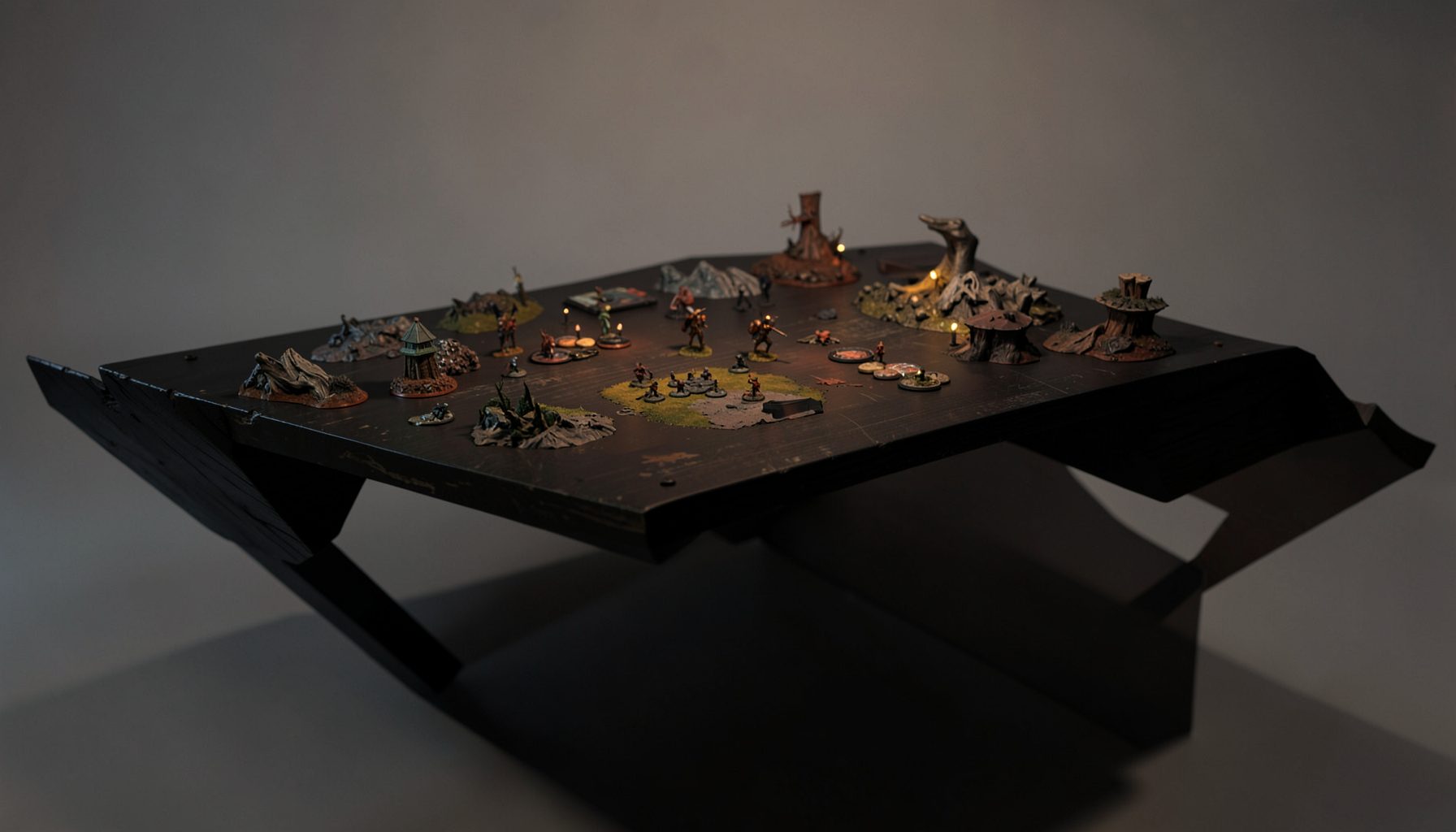
Live-streamed games, recorded matches, and event data gathered in one place.
Kill Team Stream hosts quality live streaming of Kill Team content — tournaments throughout the year on Twitch, regular games streamed to the channel, and tournament data gathered so players can see what's happening in the scene. Powered by WARHAMMER.
Browse tournamentsOfferings
Tournaments
Multiple Kill Team tournaments hosted throughout the year, all live-streamed on our Twitch channel.
Videos
Streams are recorded and uploaded to YouTube alongside original video content we produce.
Event Data
Tournament packets from past events plus resources for upcoming Kill Team tournaments.
Site Directory
The Top Kill Team Podcasts For Competitive Players
Competitive Kill Team rewards players who can make sound decisions with incomplete information. Rules knowledge matters, yet tournament results are often decided by deployment, threat assessment, command-point timing, and knowing when a mission is already out of reach. Podcasts are useful because they explain those decisions in a way that battle reports and rules documents sometimes cannot.
The best shows combine match analysis, faction discussion, event reviews, and practical advice. A strong episode can reveal why an apparently aggressive move failed, how a player protected a leader through several turning points, or why a popular team performs differently in the hands of experienced competitors.
For Australian players, audio content also fits the realities of the local scene. A long drive to a Sydney, Melbourne, Brisbane, or Perth event can become useful preparation time, while an episode downloaded before a tournament avoids depending on patchy venue reception. The Australian time-zone gap also means podcasts can provide timely analysis when overseas streams finish in the early hours.
The recommendations below include dedicated Kill Team shows and broader competitive Warhammer podcasts with genuinely useful skirmish-game coverage. Feeds change over time, so it is worth judging each episode by its guests, subject matter, and connection to the current edition rather than subscribing to a name alone.
Dedicated Kill Team Analysis
The Kill Team Podcast is the natural starting point for listeners who want discussion centred on the game itself. Episodes typically suit players who are learning how specialists interact, how operatives trade value, and how mission actions shape a turning point. The strongest material is rarely a simple faction ranking; it examines the decisions that make a team succeed on a particular board.
Listen for discussions about activation order, concealed-versus-engaged choices, and the difference between scoring primary objectives and creating a winning endgame position. Those subjects transfer across factions and remain valuable after a balance dataslate changes a weapon profile or ability.
Command Point is another useful source for competitive-minded players, particularly when the show focuses on tournament preparation and faction identity. Its value lies in connecting list construction with actual play. A team may look powerful on paper, but its operative count, equipment options, and order economy can create very different demands during a five-round event.
Australian listeners should pay attention to how these shows discuss terrain density and board layouts. A roster tested on a sparse American gaming table may behave differently at an event in Canberra or Melbourne, where organisers often use dense, carefully arranged terrain to limit firing lanes and reward controlled movement.
Competitive Warhammer Shows With Kill Team Value
Goonhammer’s competitive podcasts are not always dedicated to Kill Team, yet they offer excellent lessons in tournament thinking. Their discussions of probability, mission scoring, matchup preparation, and post-game review apply directly to a skirmish game. The wider Warhammer perspective is especially helpful for understanding how a metagame develops and why players move away from apparently safe choices.
The most useful episodes are those that explain reasoning rather than announce a verdict. When a host describes why a unit underperformed, separate the underlying principle from the specific game system. Questions about tempo, redundancy, board control, and opportunity cost are relevant whether a player is managing a full army or a small operative team.
CanHammer is worth following for its event-driven approach and broad competitive coverage. Even when an episode concentrates on Warhammer 40,000, conversations about practice routines, tournament nerves, pairing expectations, and reviewing losses can improve Kill Team preparation. Competitive players benefit from hearing how experienced gamers turn a disappointing result into a specific training goal.
This style of podcast is particularly practical before large Australian gatherings such as CanCon in Canberra or major events attached to conventions and independent game stores. The travel, accommodation, and entry costs make preparation valuable, and a broader tournament podcast can help players build habits that matter before the first dice are rolled.
Faction Reports And Match Breakdown
A good match breakdown should explain the sequence of decisions, not simply recount the score. Look for episodes that identify the initial plan, show where the plan changed, and discuss which information was available at each point. That structure teaches listeners to evaluate their own games without relying on perfect hindsight.
When comparing faction episodes, listen for recurring themes: how the team creates safe activations, which operative can afford to be exposed, and what the opponent is forced to respect. A report becomes much more valuable when it explains failed lines as clearly as successful ones. Competitive improvement comes from recognising losing positions earlier, not from memorising a winning deployment.
Podcasts also provide a useful supplement to written playtesting advice. A discussion of repeated practice games becomes more actionable when paired with these playtesting principles, especially the idea of testing one variable at a time and recording what happened. Apply that method to Kill Team by changing deployment, equipment, or opening activations rather than rebuilding the entire roster after every loss.
Players should keep a short audio-learning log. Record the episode, the relevant faction or mission, and one decision to test at the table. After several games, review whether the advice improved outcomes or merely sounded persuasive. This protects against adopting a popular strategy that does not suit a player’s collection, local terrain, or preferred tempo.
Mission Play And Tournament Preparation
The most valuable competitive podcasts spend time on missions. Faction strength attracts attention, but mission play determines whether a list can score consistently. Episodes covering objective timing, tac op selection, deployment zones, and late-round scoring can reveal why a supposedly weaker team keeps appearing near the top of standings.
Listen for advice about playing from ahead as well as playing from behind. A player who leads after turning point two may need to deny a single objective rather than chase an enemy operative. Conversely, a player who is behind may need to accept a risky trade because passive scoring cannot recover the game. Podcasts that explain these thresholds are more useful than shows focused only on tier lists.
Tournament preparation also includes practical choices. Check whether the current event pack changes mission sequencing, terrain rules, or scoring. Confirm the legality of equipment and the wording of recent updates. Pack tokens, measuring tools, spare dice, a printed roster, and a phone charger; Australian venues can involve long days, crowded halls, and limited nearby shops.
Local conditions influence preparation further. A player travelling from Perth to the east coast may face a different sleep schedule and several days of transit, while someone attending a Sydney event may deal with public transport, parking, and a compact venue. Podcasts are ideal for travel, but listening should support physical practice rather than replace it.
Building A Useful Listening Routine
A competitive podcast library works best when it has different jobs. Use a dedicated Kill Team show for rules interactions and faction details, a broader tournament podcast for mindset and event preparation, and match reports for practical decision-making. Subscribing to every available feed can create noise, especially when several episodes repeat the same balance discussion.
Choose one episode before a practice session and write down two predictions. If a faction podcast claims a particular operative should take a specific equipment option, test that claim. If a tournament review says a mission is decided by early board control, play with that objective in mind and record whether the prediction held up.
Podcasts can also help players recognise the difference between local consensus and wider metagame trends. Australian communities may have smaller player pools than major North American or European circuits, and a strong local player can make an unusual roster seem more common than it is. Compare podcast claims with results from nearby events and with the games you actually face at your club.
For visual context, review event images alongside audio discussion. The event photo archive can show terrain layouts, table density, operative choices, and the atmosphere of streamed competitions. Seeing how boards are arranged helps translate a podcast’s abstract comments about firing lanes or staging positions into decisions that make sense on a real table.
The best Kill Team podcasts become valuable when they change what happens during the next game. Listen actively, test claims, and connect every lesson to a mission, roster, or decision. Used that way, audio analysis can turn a commute, a gym session, or a long trip to an Australian tournament into part of a disciplined competitive practice routine.
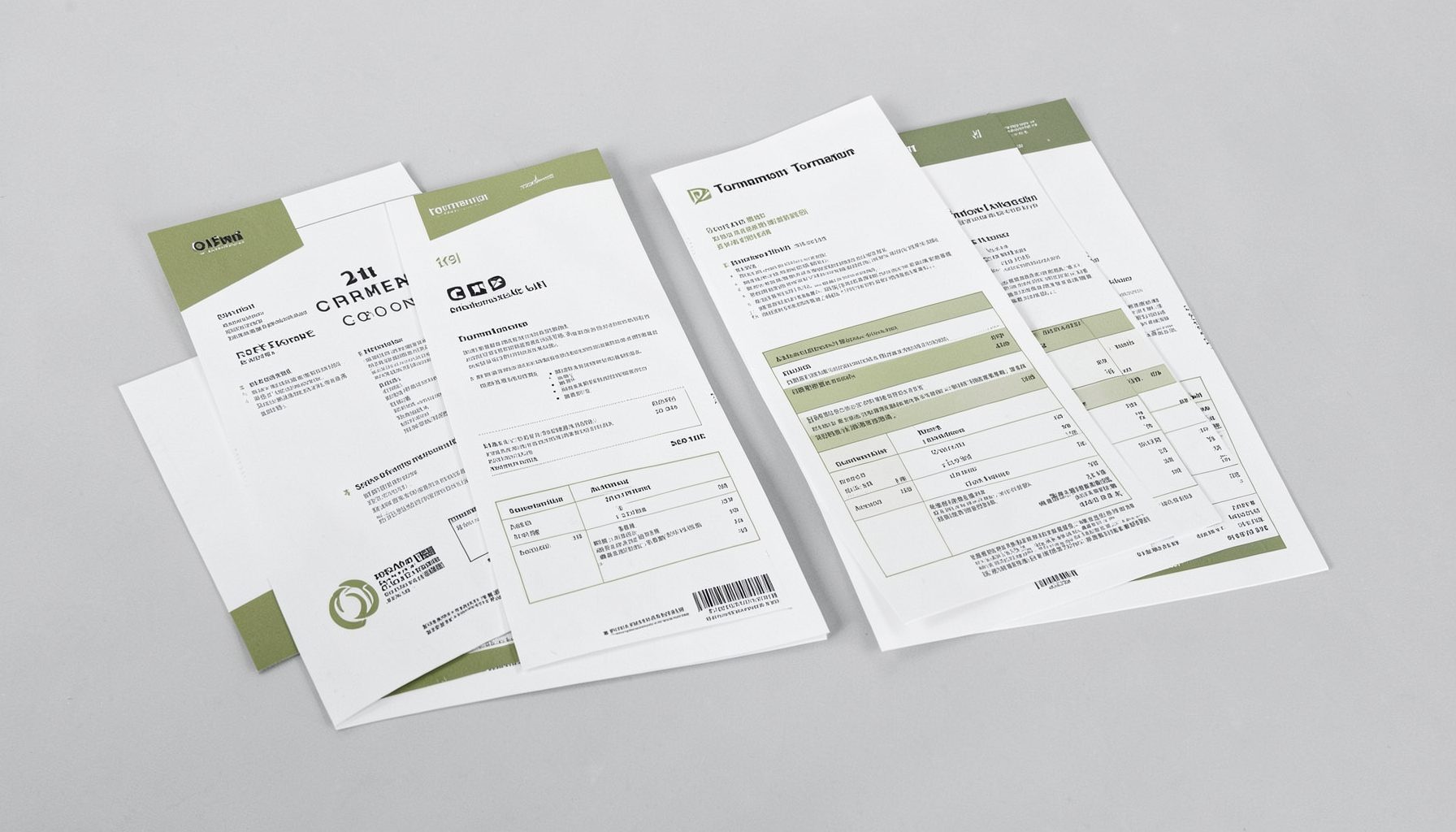
Tournament Packets
Packets from previous Kill Team events are kept here alongside new packets for upcoming tournaments, so organizers and players have what they need in one place.
View Event Data