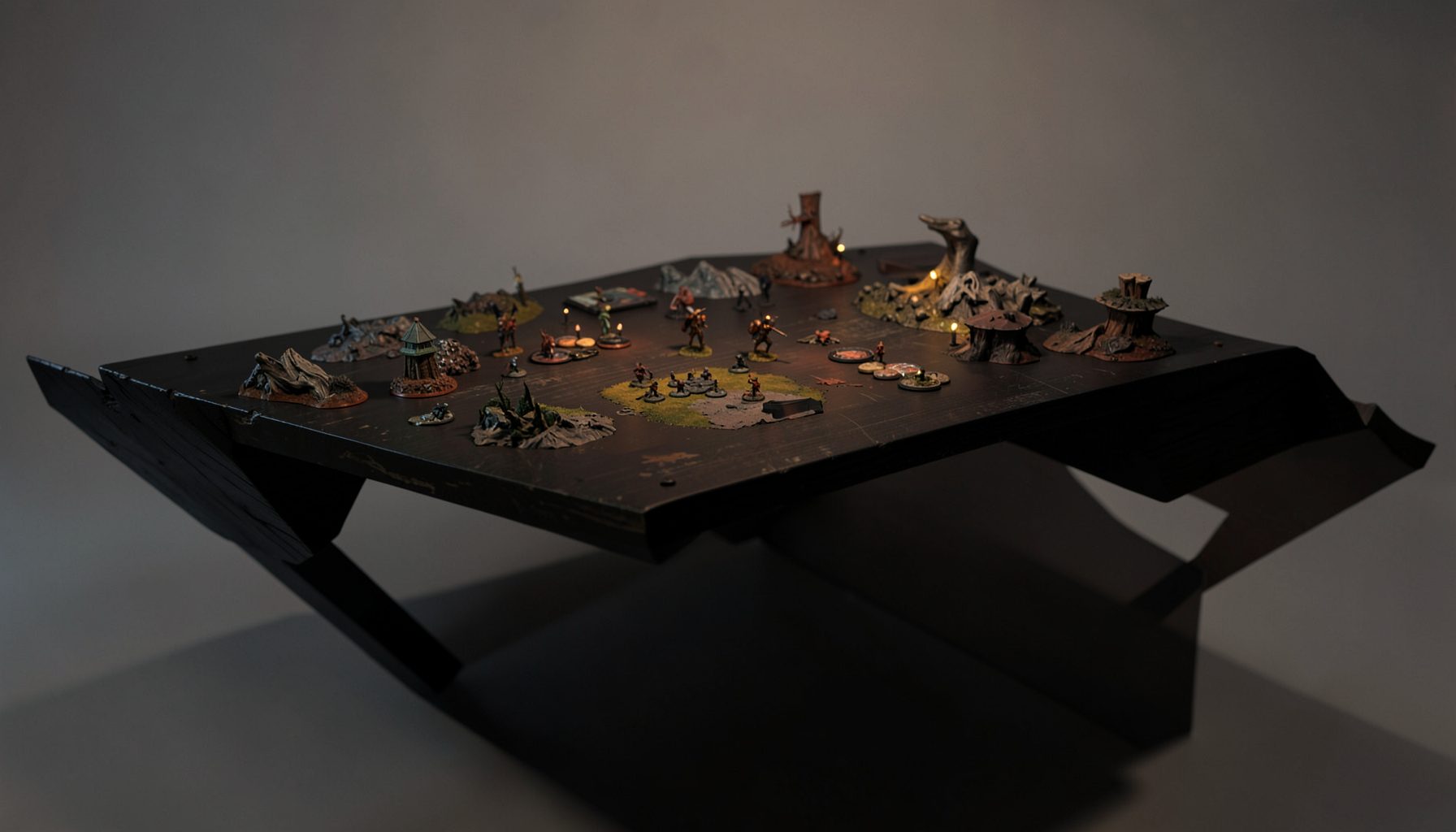
Live-streamed games, recorded matches, and event data gathered in one place.
Kill Team Stream hosts quality live streaming of Kill Team content — tournaments throughout the year on Twitch, regular games streamed to the channel, and tournament data gathered so players can see what's happening in the scene. Powered by WARHAMMER.
Browse tournamentsOfferings
Tournaments
Multiple Kill Team tournaments hosted throughout the year, all live-streamed on our Twitch channel.
Videos
Streams are recorded and uploaded to YouTube alongside original video content we produce.
Event Data
Tournament packets from past events plus resources for upcoming Kill Team tournaments.
Site Directory
YouTube Channels That Make Kill Team Easier To Read And Play
Finding useful Kill Team video content can be almost as valuable as finding a new roster idea. A well-made battle report shows how operatives move, when players spend command points, how terrain shapes firing lanes and why a seemingly strong activation can create problems several turning points later. For newer players, commentary can turn a complicated game into a sequence of understandable decisions.
Australian players also have a practical reason to use video analysis. Local clubs and tournaments may be separated by several hours of driving, while live events often run at inconvenient times across Australian time zones. Recorded matches from leading channels provide a way to study competitive play between games, whether you are preparing for an event in Sydney, Melbourne, Brisbane, Perth or CanCon in Canberra.
Glasshammer Gaming For Competitive Match Reading
Glasshammer Gaming is one of the most useful places to begin when the aim is to understand tournament-style Kill Team. Its battle reports generally keep the focus on meaningful decisions rather than treating the game as a simple showcase of painted miniatures. Viewers can follow deployment, objective selection, operative positioning and the interaction between faction rules and the mission.
The strongest value comes from watching the game as a chain of trade-offs. A player may expose a specialist to secure an objective, delay an important activation to preserve initiative, or accept a poor exchange because it protects the primary scoring plan. Commentary helps explain those choices, making the channel useful for players who already know the core rules but want to improve their decision-making.
Glasshammer videos are also helpful for comparing teams with different game plans. A close-range force may need to control approach lanes and deny safe objectives, while a shooting team may prioritise visibility and activation timing. Watching several reports rather than a single favourite faction gives a clearer picture of how competitive players adapt to terrain and opponent behaviour.
Can You Roll A Crit For Clear Explanations
Can You Roll A Crit? combines entertaining battle reports with accessible tactical discussion. The channel is particularly suitable for players who want rules and strategy explained in plain language. Its videos often make it easier to see why an operative is valuable even when it does not score a dramatic kill, or why an apparently successful charge can damage a player’s position.
The presentation rewards active viewing. Pause before a turning point and predict which operative should activate, which objective should be contested or whether a player should spend a tactical ploy. Then compare that prediction with the decision made on screen. This simple habit transforms a battle report into a practical exercise in threat assessment, board control and activation economy.
The channel is also useful when learning a new team. A written rulebook tells you what an ability does, but a match demonstrates when it matters. Pay attention to how players create safe routes, protect key specialists and use tac ops to shape the flow of a turning point. Those details are often more valuable than memorising a tier list.
Mountainside Tabletop And Command Point
Mountainside Tabletop has built a strong reputation around Kill Team battle reports that allow the game to develop at a readable pace. Its content suits viewers who want to watch the full tactical rhythm of a match: scouting choices, early positioning, mid-game trades and the final race for victory points. The longer format gives viewers room to study the board rather than relying on short highlights.
This makes Mountainside Tabletop particularly useful for mission play. Watch how players decide whether to contest an objective, preserve an operative or create a late-game scoring route. Competitive Kill Team is often decided by small positional choices made several activations before the points are scored, and a complete report reveals that relationship more clearly than a condensed clip.
The Command Point channel and its wider media work are valuable for players looking for tactical discussion alongside games. Content connected with competitive play can help viewers examine faction identity, roster construction and the changing meta. It is worth checking the date and rules season of each video, since Kill Team updates, dataslate changes and new team releases can alter the relevance of older advice.
Cinematic Reports From Play On Tabletop
Play On Tabletop is known for polished, cinematic tabletop coverage, and its Kill Team material offers a different viewing experience from a rules lecture or tournament stream. Strong camera work, concise editing and clear visual presentation make the games easy to follow, especially for people who are still learning the basic language of operatives, turning points and objectives.
The trade-off is that highly edited reports may skip some of the slower decisions. They are excellent for understanding the broad shape of a match, seeing how teams interact and staying engaged with the hobby. They are less suitable when you need to audit every command point, reaction or line-of-sight calculation. Use them as a visual overview, then turn to longer reports when preparing for an event.
Play On Tabletop can also be a useful entry point for friends who are curious about the game but are not ready to watch several hours of tournament footage. The presentation communicates the tension of a close mission without requiring complete rules knowledge. That accessibility helps grow local gaming groups, whether the first viewing happens at a club night in Melbourne or during a casual arvo in Brisbane.
Guerrilla Miniature Games And Wider Coverage
Guerrilla Miniature Games regularly provides long-form tabletop coverage across a broad range of miniature games, including Kill Team-related content. Its reports are valuable for viewers who enjoy seeing the entire board state develop and who want commentary that discusses the reasoning behind a move. The relaxed format can feel closer to watching a game at a local club than a heavily produced broadcast.
For serious study, look for reports featuring terrain layouts and missions that resemble the events you attend. A team that performs well on an open board may struggle in dense ruins, while a faction built around melee pressure can become much less effective if it cannot establish safe staging positions. Comparing different tables helps prevent the common mistake of treating a faction’s reputation as more important than the terrain and mission.
Broader channels are also useful for understanding the wider competitive environment. A player can study how experienced opponents manage information, conceal intentions and calculate risk even when the factions differ from the ones in their own collection. The transferable lessons include measuring threat ranges, preserving models that score, and recognising when a temporary retreat is the best route to a late-game advantage.
Turning Videos Into Tournament Preparation
The best way to use YouTube is to watch with a specific purpose. Before starting a report, identify one question: how does this team score on a particular mission, how does it handle a shooting threat, or which operative must survive into the final turning point? A focused question prevents passive viewing and makes the information easier to apply at the table.
Keep a small record of recurring patterns. Note deployment choices, common scouting options, useful ploys, important tac ops and moments when players lose control of the game. Check the rules against current official publications before copying a tactic, because a video from an earlier season may feature an outdated dataslate, equipment option or mission pack.
Australian players can also use recorded streams to bridge the distance between local events. A tournament in Perth may have a different regular field from one in Sydney, and travel to interstate competitions can be expensive once flights, accommodation and entry fees are included. YouTube reports provide a low-cost way to scout likely factions and practise against ideas that may appear at a major event.
Live broadcasts remain worthwhile when the timing works, particularly during major tournaments, but replay viewing is often better for detailed analysis. Australia’s multiple time zones can make an overseas stream land in the middle of a workday or late at night. Watching the replay at normal speed, pausing key turns and reviewing the scoreboard is a more reliable study method than trying to follow every round live.
A strong viewing mix includes one channel for detailed competitive games, one for clear beginner-friendly explanations, one for cinematic entertainment and one for broader tournament perspectives. Glasshammer Gaming, Can You Roll A Crit?, Mountainside Tabletop, Command Point, Play On Tabletop and Guerrilla Miniature Games each approach Kill Team differently. Together, they show the game as a living contest of mission planning, resource management and tactical adaptation rather than a collection of isolated dice rolls.
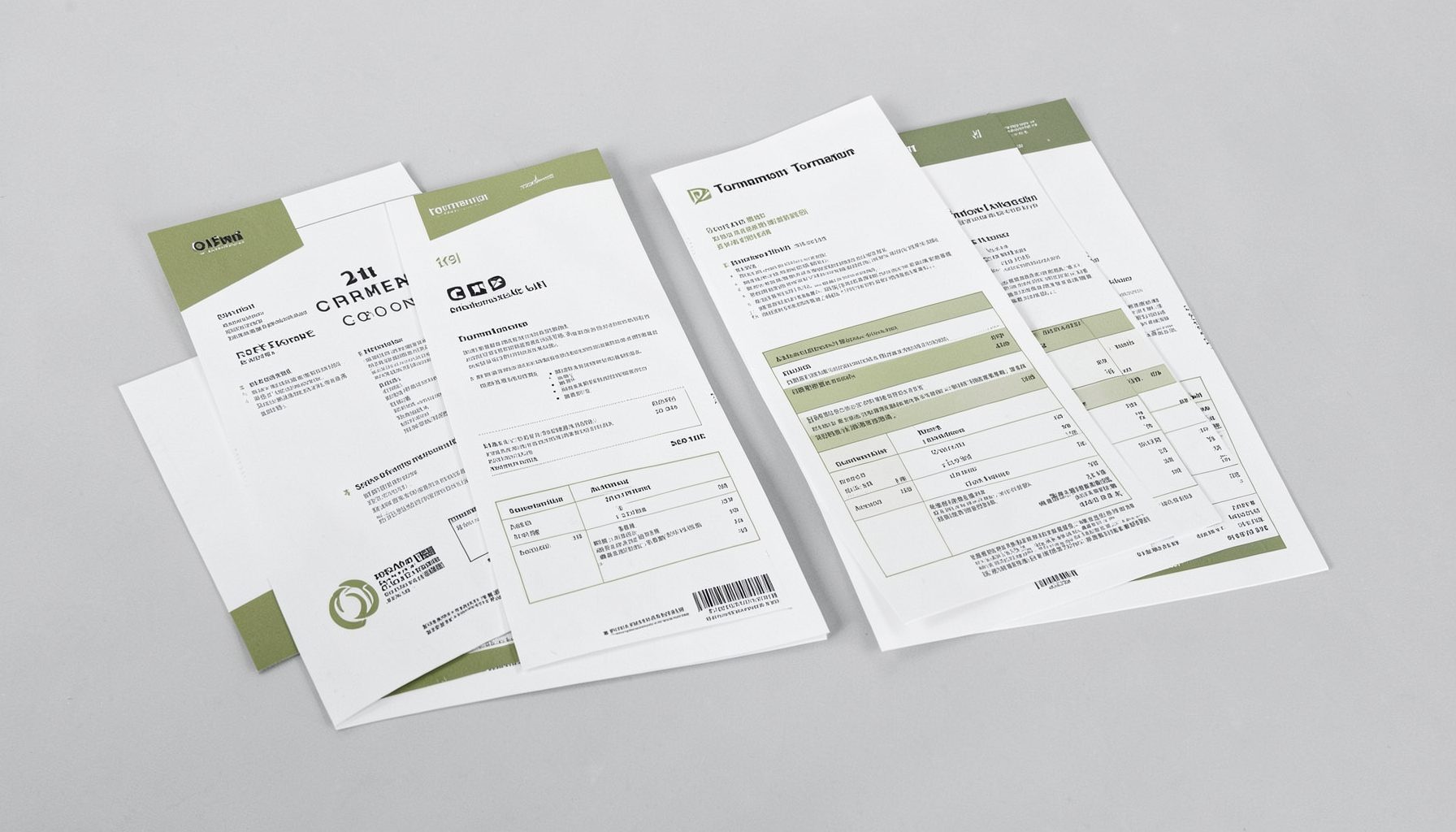
Tournament Packets
Packets from previous Kill Team events are kept here alongside new packets for upcoming tournaments, so organizers and players have what they need in one place.
View Event Data