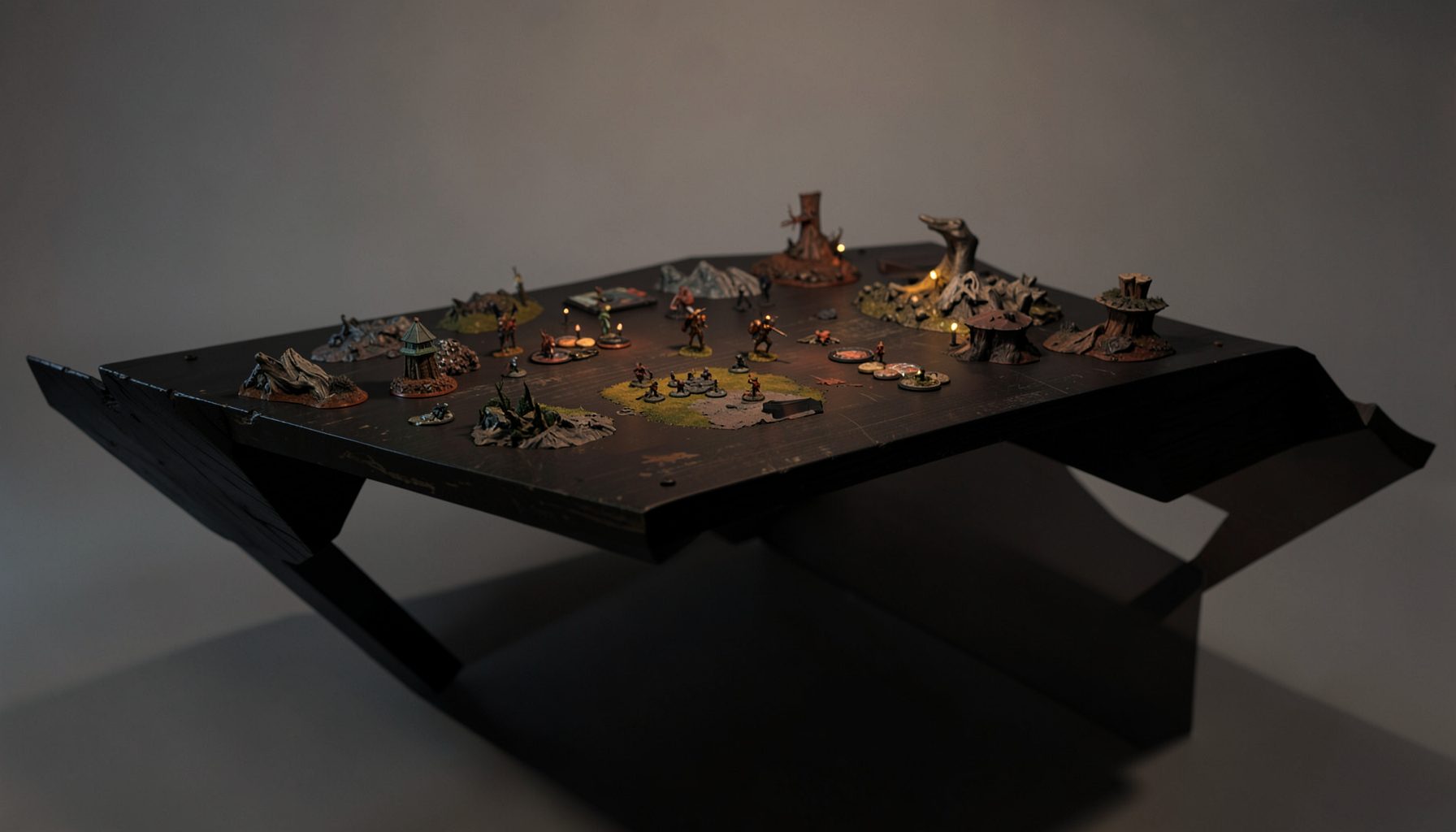
Live-streamed games, recorded matches, and event data gathered in one place.
Kill Team Stream hosts quality live streaming of Kill Team content — tournaments throughout the year on Twitch, regular games streamed to the channel, and tournament data gathered so players can see what's happening in the scene. Powered by WARHAMMER.
Browse tournamentsOfferings
Tournaments
Multiple Kill Team tournaments hosted throughout the year, all live-streamed on our Twitch channel.
Videos
Streams are recorded and uploaded to YouTube alongside original video content we produce.
Event Data
Tournament packets from past events plus resources for upcoming Kill Team tournaments.
Site Directory
The value of post-tournament debriefs for players and organizers
A Kill Team tournament produces more than a final score. Once the last round ends, players still have questions about their list, deployment, target priorities, dice outcomes, and coordination. A post-tournament debrief turns those loose impressions into structured lessons while giving organizers a clearer view of how the event functioned and what should change next time.
For competitors, the value lies in replacing vague judgments such as “that deck struggled” with specific evidence. A useful retrospective connects a result to decisions made before the game, during the deployment phase, and after control of the objective changed. It also separates chance from repeatable mistakes, making improvement feel practical rather than dependent on another lucky dice roll.
For organizers, the same event reveals operational lessons: whether pairings were clear, tables had enough space, rounds started on time, rules were applied consistently, and the venue supported spectators without obstructing play. Capturing this feedback creates a record that can improve event packets, schedules, judging arrangements, streaming plans, and the overall player experience.
The strongest debriefs are brief, honest, and evidence-led. They combine standings, match notes, recorded games, commentary, photographs, and comments from participants without turning reflection into blame. Whether conducted in a voice channel, published as a community article, or discussed at the final ceremony, the format matters less than a shared commitment to recording what happened and why.
| Area | Player debrief | Organizer debrief | Useful output |
|---|---|---|---|
| Performance | Tactical choices, target selection, deployment, adaptation | Round structure, time limits, judging consistency | Clearer competitive lessons |
| Preparation | List selection, practice, knowledge of the opposing team | Registration, packet preparation, equipment checks | Better readiness for the next event |
| Event operations | Pairing clarity, table condition, waiting time | Scheduling, staffing, venue flow, communication | Fewer recurring logistical problems |
| Community | Team communication and feedback for opponents | Spectator access, media coverage, participant experience | Stronger trust and engagement |
| Future planning | Individual practice goals | Process changes and responsibilities | Concrete action items with deadlines |
Turning match records into usable evidence
Begin with the event record rather than memory alone. Pairings, standings, deployment and specialist choices, round results, and any penalties or rule decisions form the factual baseline. Kill Team Stream results and event materials can then be linked to each round, allowing a team to distinguish a narrow tactical problem from a recurring preparation issue.
A practical working document can use three columns: what happened, why it happened, and what to test next. For example, a player might note that objective control was conceded because two operatives entered the same exposed sector, then test a slower approach in the next practice game. That is more useful than labeling the entire roster as ineffective.
The debrief should also acknowledge the limits of the evidence. One loss does not prove that a strategy is flawed, and one successful deployment does not establish that it is reliable. Players can compare several rounds, note the opponents and scenarios involved, and identify whether a pattern remains visible when the circumstances change.
What players can learn from reflection
Preparation is only one part of competitive performance. A player debrief should consider whether the team understood the scoring mission, protected priority operatives, managed wounds, controlled firing lanes, and recognized when a different model would offer greater board presence. These questions are often more valuable than simply recording which guns were selected.
Communication deserves equal attention. Was a target called clearly? Did both players understand the intended scoring path? Did someone avoid a movement because another operative was needed for a later activation? A retrospective can reveal that a tactical problem was actually a coordination problem, or that strong communication prevented a poor dice result from becoming a complete defeat.
Individual reviews should end with a small number of testable goals. “Play better” offers little guidance, while “practice moving through the side lanes before entering the central kill zone” can become a concrete exercise. Goals might concern list construction, deployment timing, target priority, or decision-making under pressure. Recording which goal was attempted and what changed keeps progression visible over several events.
Improving the event behind the games
Organizers can turn observations from the day into a reliable operational review. Registration and check-in, pairings, table placement, round announcements, adjudication, score reporting, and prize distribution all form connected processes. A delay in one step often creates problems elsewhere, so the review should follow the event from arrival to final results rather than examining each task in isolation.
Participant feedback helps identify friction that staff may not notice. Short questions about signage, waiting time, table availability, rule clarification, and communication can reveal recurring complaints. Responses should be grouped by theme, with anonymous comments where appropriate. A small number of repeated issues usually offers better guidance than a single detailed account, while direct observations can explain why those issues occurred.
Financial oversight belongs in this process too. Event income, venue costs, streaming expenses, prizes, and equipment purchases should be reconciled against the original plan. The value of documenting those costs in a small enterprise is illustrated by this review of financial management applications, whose broader lesson about consistent record keeping applies to community tournaments as well.
Converting feedback into future action
An after-action review becomes valuable only when its conclusions lead somewhere. Each lesson should have an owner, a deadline, and a clear form of verification. A player might test a new deployment in two practice games, while an organizer might revise the check-in procedure before the next league night. Organizers should also identify which suggested changes fall outside their control so expectations remain realistic.
Publishing a short event summary preserves the learning for people who were not present. It can include final standings, notable rulings, frequent tactical themes, equipment issues, attendance, and links to relevant recordings. Corrections should be transparent, especially when a table result or interpretation was disputed. This gives competitors confidence in the process and gives volunteers a reference when preparing for the next event.
Debriefs can also reveal trends across a season. Repeated complaints about board visibility may justify a venue change, while consistently strong interest in a particular faction may influence event design or the balance of supported content. The goal is not to copy the winning list of every competitor, but to identify useful competitive patterns and the community needs surrounding them.
Using footage and event media
Recorded matches and live commentary provide an evidence base that a score sheet cannot offer. Reviewing a decisive firing phase may show that a target was visible for several turns, that an activation was delayed, or that a player left a better scoring option unclaimed. Time-stamped examples make the discussion precise and help newer viewers understand the reasoning behind a decision.
Visual records add another layer to the review. The Kill Team Stream photos gallery can show the scale of the event, the tables in use, the models on display, and the atmosphere created for players and spectators. These images help organizers assess layout and presentation, while also supporting community recaps that celebrate more than the final standings.
Media should support learning without becoming performative. Players and organizers can verify that records and captions are accurate, obtain appropriate consent for recognizable participants, and explain the context behind controversial rulings. Used carefully, footage and photography preserve valuable details, turn competition into an educational resource, and give the community a stronger sense of its shared history.
Building a repeatable debrief culture
A consistent schedule makes reflection easier. Players can complete an initial review within a day or two, when impressions are still fresh, and then join a later team discussion focused on shared lessons. Organizers can hold a separate operational meeting once scores are verified and initial feedback has been collected. Keeping these reviews distinct allows tactical analysis and event administration to receive proper attention.
A short template helps prevent important details from being overlooked. For players, it might include round result, key decision, likely cause, controllable factor, and next experiment. For organizers, it might cover attendance, timing, disputes, venue issues, technical failures, feedback themes, and follow-up responsibilities. The same document can be reused, but it should remain simple enough that volunteers and competitors will actually complete it.
Success should be measured through repeated use rather than long reports. Look for clearer communication, fewer recurring disputes, faster corrections, visible changes in list preparation, and improved confidence among newer players. The most effective post-tournament debrief is not necessarily the longest; it is the one that produces honest evidence, preserves useful context, and turns experience into informed action.
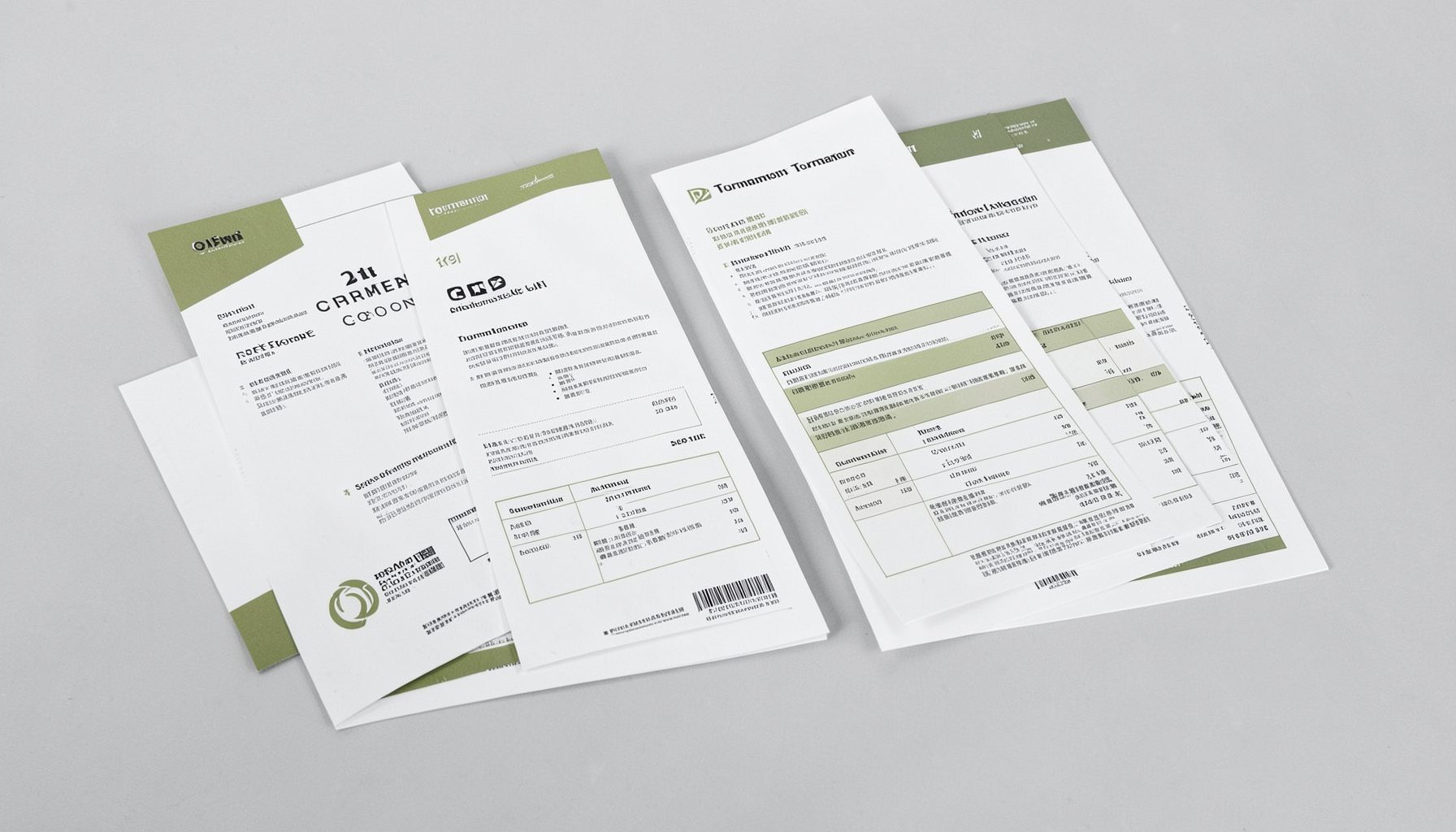
Tournament Packets
Packets from previous Kill Team events are kept here alongside new packets for upcoming tournaments, so organizers and players have what they need in one place.
View Event Data