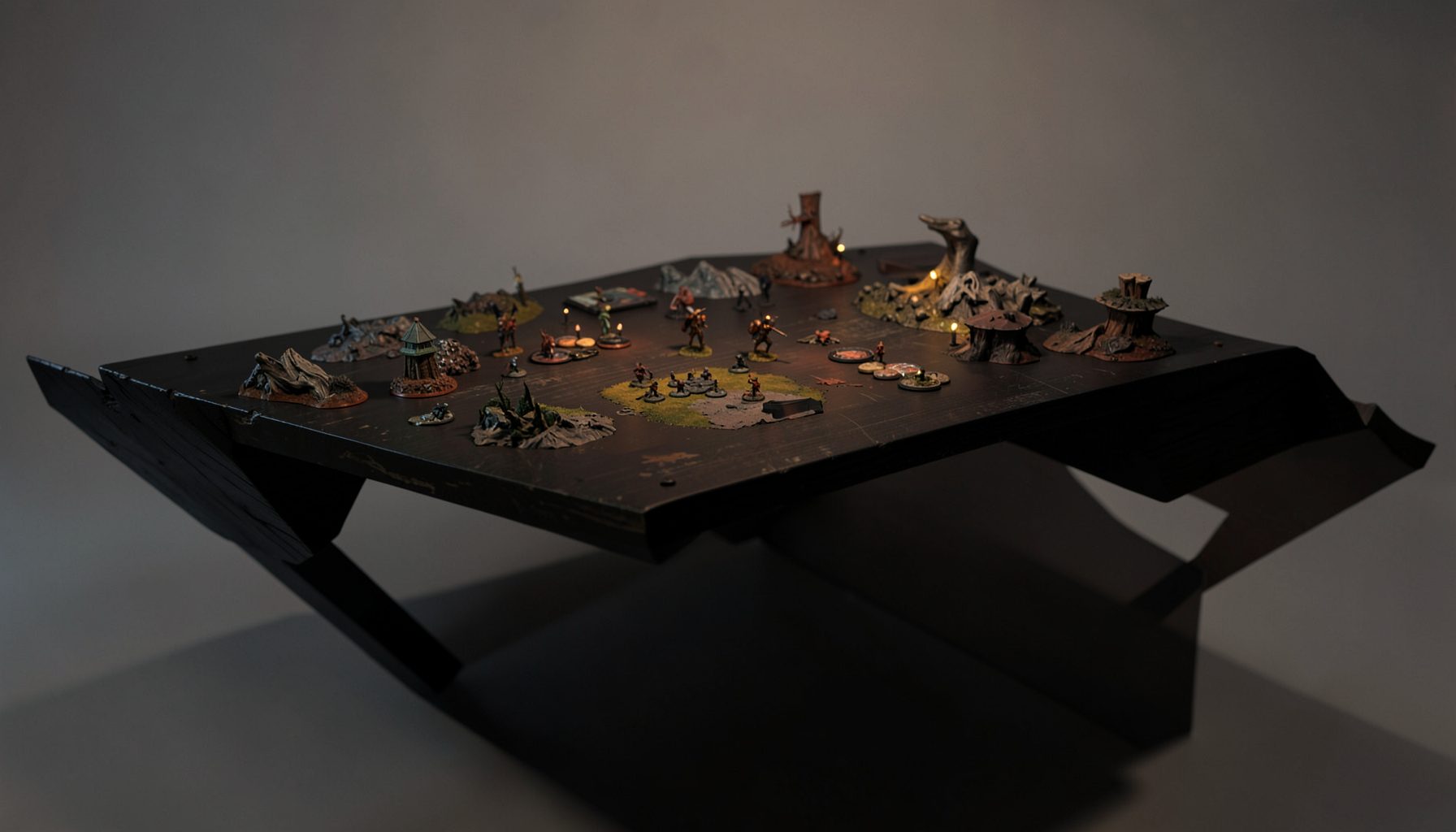
Live-streamed games, recorded matches, and event data gathered in one place.
Kill Team Stream hosts quality live streaming of Kill Team content — tournaments throughout the year on Twitch, regular games streamed to the channel, and tournament data gathered so players can see what's happening in the scene. Powered by WARHAMMER.
Browse tournamentsOfferings
Tournaments
Multiple Kill Team tournaments hosted throughout the year, all live-streamed on our Twitch channel.
Videos
Streams are recorded and uploaded to YouTube alongside original video content we produce.
Event Data
Tournament packets from past events plus resources for upcoming Kill Team tournaments.
Site Directory
Elites and swarms in the current Kill Team meta
Kill Team rewards players who understand that model count changes the entire shape of a battle. An elite roster may field only a handful of operatives, while a swarm can fill the table with bodies, activations and overlapping threats. The difference is more than a question of durability or damage output: it affects deployment, objective control, command point spending, movement choices and the amount of information each player must track.
Elite teams usually concentrate power into a small number of specialists. Each operative can have a distinct battlefield role, and losing one often removes a major tool from the roster. Swarm teams spread their strength across numerous operatives, making them less dependent on any single model and better equipped to contest several locations at once.
The current competitive environment makes this comparison especially important because missions often reward movement, positioning and completed actions rather than simple elimination. A team that kills efficiently can still fall behind if it cannot reach objectives or perform mission actions. Players therefore need to judge elite and swarm strategies through the full scoring system, rather than relying on damage statistics alone.
For Australian players, this matters across very different tournament settings. A Sydney or Melbourne event may offer dense terrain and a large field of experienced opponents, while a regional tournament can involve long travel, mixed experience levels and a smaller local metagame. Understanding how model count shapes a match helps players prepare for both highly competitive streams and relaxed weekend club events.
What separates elite and swarm teams
Elite kill teams normally have fewer activations, higher wounds, stronger saves or better special rules. Their operatives can often survive attacks that would remove a swarm model, and many elite factions have powerful melee or shooting profiles. Their limited numbers also make movement easier to plan: the player has fewer pieces to coordinate and can focus on creating decisive engagements.
The cost of that strength is reduced board coverage. If an elite operative is forced to spend a turning point performing a mission action, it may no longer threaten an enemy or protect a distant objective. When one model is incapacitated, the loss can remove a shooting lane, a melee counter or a key utility ability. Elite players must preserve important operatives without becoming so cautious that they surrender the mission.
Swarms reverse those priorities. Their operatives may be fragile, but they can occupy more routes, screen valuable models and create several legal options for mission actions. A swarm can lose a few bodies and still maintain activation pressure. This makes trading pieces acceptable when the exchange opens a scoring opportunity or forces an elite opponent to waste movement.
The weakness of a swarm is that its power is distributed rather than concentrated. Individual models may struggle to win direct fights, and poor spacing can expose several operatives to blast, blast-like effects or a well-timed charge. Swarm players need disciplined movement and careful sequencing, because having more models does not help if they block one another or activate without a clear purpose.
Activation economy and board control
Activation economy is one of the clearest advantages enjoyed by high-model-count teams. A swarm can pass with a low-value operative, observe an opponent’s move and then commit a specialist once the situation is clearer. It can also place multiple bodies near an objective, forcing the elite player to spend valuable actions removing models that are not the primary threat.
Elite teams can answer this through quality rather than quantity. A single operative may threaten a large area, combine movement with a mission action or eliminate a target before it gets to activate. Good elite play often creates a local numbers advantage: several enemy operatives may exist elsewhere, but only one or two can safely approach the decisive lane.
This is why board control should be measured by usable influence, not by model count alone. A concealed elite operative behind heavy terrain may control a corridor more effectively than two exposed swarm models. Equally, a swarm can make an area dangerous simply by presenting several charge angles and forcing the opponent to account for multiple activations.
Mission packs determine which form of control matters most. A scoring system based on holding zones may favour broad coverage, while a mission requiring specific actions can reward elite operatives with reliable mobility or specialist abilities. The relationship between objectives and roster design is explored in mission pack diversity, which is useful context when comparing tournament results across different events.
Damage output versus trading efficiency
Elite teams often appear stronger on paper because their operatives carry accurate weapons, high-quality melee profiles or special rules that improve reliability. A successful attack can remove a swarm model immediately, and several elite factions can create powerful threat combinations. The important question is whether that damage also improves the score.
Removing a cheap operative may be strategically correct if it prevents a mission action, blocks a charge route or protects an objective. Yet an elite player can lose the trade if the attacking model ends in an exposed position and is then surrounded by several enemy activations. Swarm teams are comfortable making exchanges that look unfavourable in isolation when the wider sequence leaves them with more board presence.
Swarms also benefit from redundancy. If a specialist is removed, another ordinary operative may still perform a basic mission action or occupy the same objective. Their weapons can be less impressive, but repeated attacks and multiple angles create pressure over several activations. The strongest swarm lists usually avoid treating every model as disposable; instead, they preserve enough bodies to maintain scoring options late in the turning point.
For elite players, target selection should focus on function rather than toughness. A weak-looking enemy operative may be the model enabling a charge, carrying a mission item or providing a crucial support effect. For swarm players, protecting the few models that deliver specialist damage is equally important. The ideal exchange leaves the swarm with enough bodies to score and the elite roster without its most efficient threat.
Terrain, deployment and regional events
Terrain can change the balance between elites and swarms before the first activation. Dense layouts give fragile models more opportunities to approach safely, while open firing lanes can expose a swarm to efficient ranged attacks. Elite teams usually value terrain that lets a small number of operatives project threat without being surrounded. Swarms prefer layouts that create several routes and prevent one enemy model from controlling too much space.
Deployment decisions should reflect the first scoring opportunity rather than an abstract desire to spread out. A swarm may deploy in layers, with expendable models taking early positions and specialists waiting behind them. An elite force may group around a protected lane, using one operative as a counterattack threat while another begins the mission action that is hardest to complete later.
Australian tournament conditions can make preparation especially practical. Players travelling from Perth to a major eastern-state event may have limited time for practice before the weekend, while competitors in Brisbane, Adelaide or Canberra may face a local field built around a smaller group of recurring factions. Checking the event packet, terrain photographs and recent streamed matches can reveal whether the expected games will reward fast board coverage or concentrated firepower.
The local market also shapes preparation. Australian players often deal with higher imported product costs, currency fluctuations and postage delays, so a tournament roster may be built from models already available rather than from an instantly purchased counter-pick. Hobby stores and club communities can provide valuable loan models, terrain practice and proxy guidance, though each event’s rules should be checked before relying on substitutes.
Event organisers should publish clear terrain, roster and scoring information because Australian Consumer Law applies to advertised goods and services, including what an entry fee promises to provide. If a tournament advertises a particular format, prize structure or included service, those details should match the delivered event. Clear communication benefits both elite and swarm players, especially when competitors have travelled interstate or arranged accommodation around the tournament.
Reading the metagame without copying it
Tournament data can show whether elite or swarm teams are performing well, but win rates need context. A faction may have a strong record because experienced specialists favour it, because its missions suit a particular event packet or because the local field contains favourable matchups. Streamed games add useful detail by showing how players create those results through deployment, activation order and risk management.
A swarm list that succeeds on stream may look easy to imitate because it always has models near objectives. In practice, it may rely on precise spacing, knowledge of threat ranges and careful decisions about which operative activates first. An elite list may appear straightforward because it has powerful profiles, yet its success can depend on preserving one specialist until the final turning point.
The current meta should therefore be read as a collection of recurring pressures. Ask whether missions reward early board presence, whether terrain protects approach routes, whether common opponents punish low model counts and whether critical operatives can survive long enough to score. These questions are more durable than copying a single roster from a recent event.
Players can use practice games to identify their preferred strategic profile. Elite teams suit competitors who enjoy prioritising targets, planning decisive activations and accepting that every loss matters. Swarms reward players who like sequencing, screening, multi-angle pressure and flexible scoring. Neither approach is automatically superior; each converts mistakes into different kinds of punishment.
The most reliable competitive preparation combines both perspectives. An elite player should practise denying objectives to numerous weak operatives, while a swarm player should practise removing or isolating a small number of high-impact threats. Once players understand what the opposing model count is trying to achieve, the matchup becomes a contest of tempo, information and scoring efficiency rather than a simple test of raw combat power.
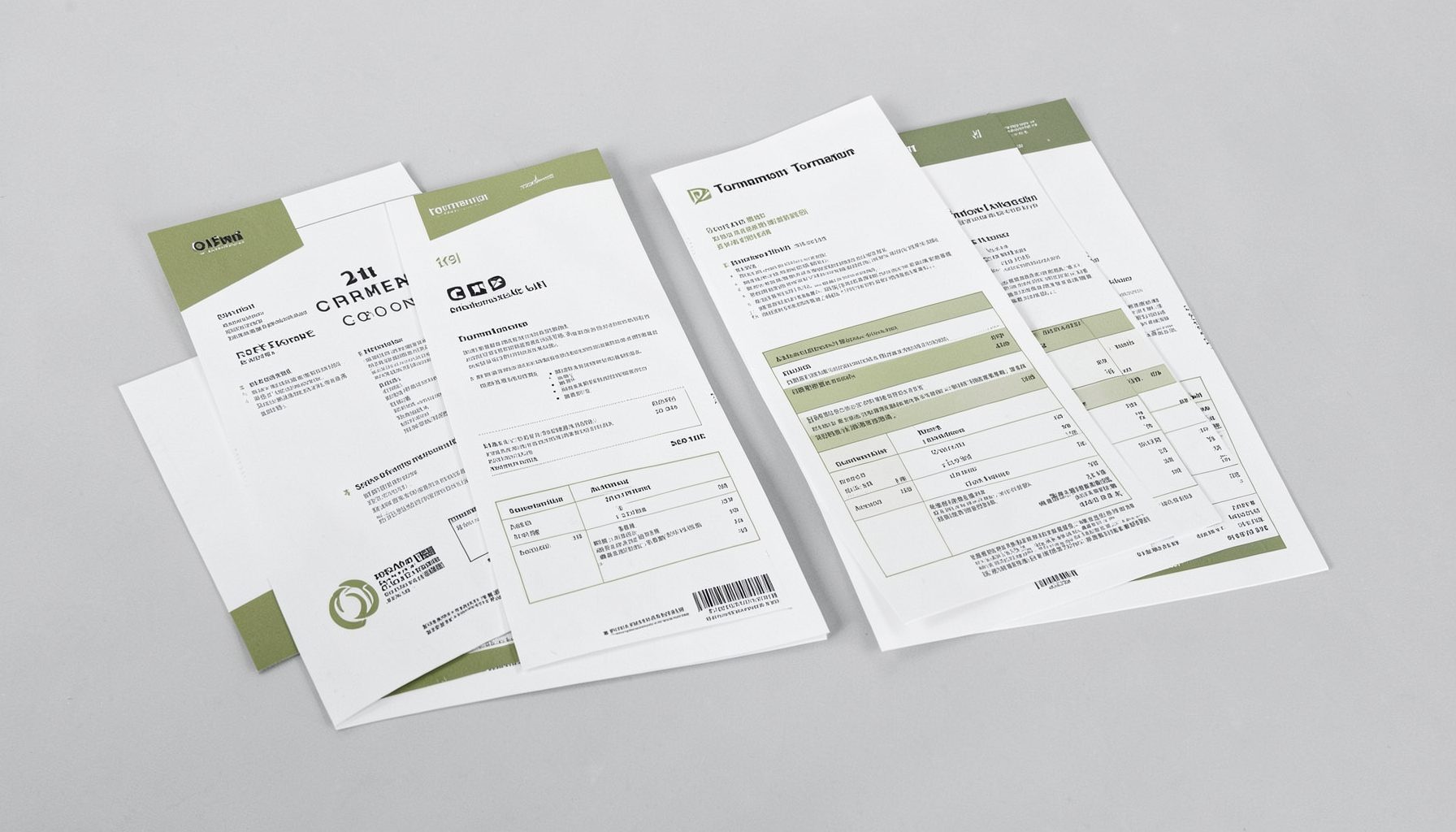
Tournament Packets
Packets from previous Kill Team events are kept here alongside new packets for upcoming tournaments, so organizers and players have what they need in one place.
View Event Data