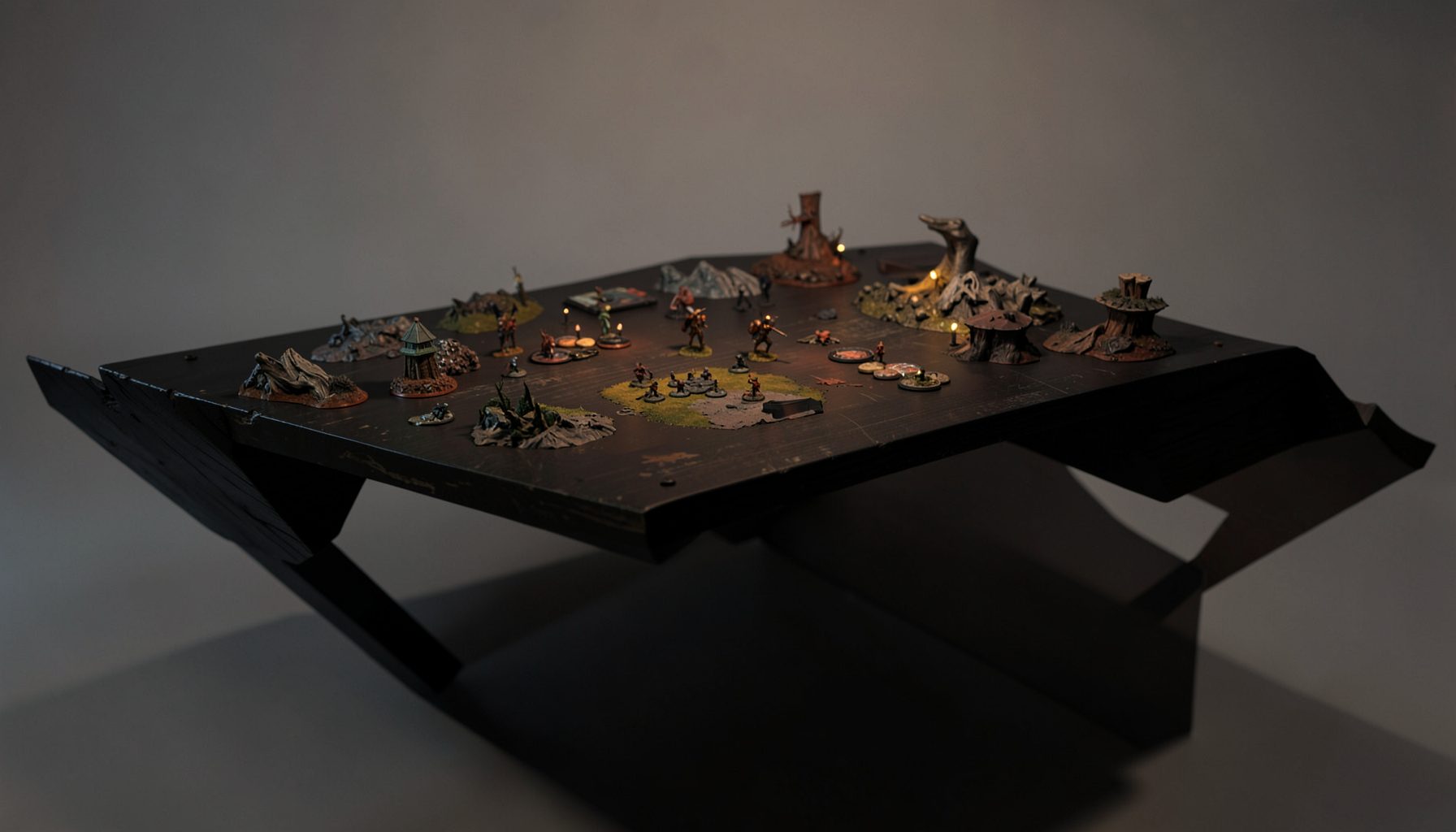
Live-streamed games, recorded matches, and event data gathered in one place.
Kill Team Stream hosts quality live streaming of Kill Team content — tournaments throughout the year on Twitch, regular games streamed to the channel, and tournament data gathered so players can see what's happening in the scene. Powered by WARHAMMER.
Browse tournamentsOfferings
Tournaments
Multiple Kill Team tournaments hosted throughout the year, all live-streamed on our Twitch channel.
Videos
Streams are recorded and uploaded to YouTube alongside original video content we produce.
Event Data
Tournament packets from past events plus resources for upcoming Kill Team tournaments.
Site Directory
Reading grenades and obscuring in Kill Team
Grenades are among the most misunderstood weapons in competitive Kill Team because their rules combine several separate questions: whether the intended target can be selected, whether the weapon ignores cover or visibility, and whether nearby operatives can be caught in the blast. Obscuring terrain adds another layer by controlling when an operative can be seen across or through terrain features.
The safest way to resolve these situations is to treat each part of the attack separately. First establish visibility and targeting, then apply the grenade’s weapon rules, and finally check whether any secondary targets qualify. This approach prevents a common mistake: assuming that the word “grenade” automatically allows a throw through a wall or around an obscuring feature.
What obscuring terrain actually does
Obscuring is a line-of-sight rule, not a general-purpose shield against every effect on the battlefield. A terrain feature with the Obscuring trait can prevent an operative from being a valid target when the required lines pass through it and the relevant distance conditions are met. The exact measurements and exceptions come from the current Kill Team Core Rules and the event packet being used.
This means a model standing behind an obscuring ruin is not simply “in cover” in the ordinary sense. Cover may modify how an attack is resolved, while obscuring can stop the shooting attack from being declared at all. A player should identify the terrain feature, measure the relevant distances, and trace the intended lines before rolling any attack dice.
The practical difference matters when a grenade has a visibility-related rule. If the grenade’s profile or special rule allows an operative to be targeted without being visible, obscuring may not stop that particular attack. If it does not contain such an exception, the ordinary visibility restrictions still apply.
Start with the grenade’s weapon profile
Not every grenade works in exactly the same way. The weapon profile may include keywords such as Blast, Indirect, Saturate, Piercing or other rules that affect how the attack is selected and resolved. The model’s datasheet may also limit how many grenade weapons it can use during a turning point, so the name of the weapon alone is never enough to settle a dispute.
Blast generally describes what happens after the initial attack has been made. It can allow the attack to spread to other operatives within a specified distance of the original target. It does not automatically mean that the grenade can be thrown at an unseen operative. The first target must still be a legal target unless another rule changes that requirement.
Indirect-style wording is more directly relevant to obscuring. When a weapon rule says that the target does not need to be visible, follow that exception exactly, including any restrictions on range, cover, engagement range or target selection. “Can target an operative that is not visible” is different from “ignores all terrain,” and the distinction can affect whether a grenade may be used over a ruin or around a corner.
The first target and the blast area
When a grenade has Blast, resolve the original target first. Confirm that the target is within range, satisfies any visibility requirement, and is not excluded by another rule. Once the attack is legal, check the Blast distance from that original target rather than from the attacker or the point where the grenade visually appears to land.
The secondary targets are still affected by the weapon’s targeting rules. A model standing close to the first target is not automatically a valid victim if obscuring terrain prevents it from being seen and the weapon has no rule that bypasses visibility. The blast radius measures proximity; it does not necessarily cancel the conditions for selecting each operative.
This is where many friendly games diverge from tournament play. One player may picture the explosion as a physical area effect that reaches around a ruin, while the rules may require each affected enemy to be a valid target. Use the wording of the Blast rule and the weapon profile, not a cinematic interpretation of how fragmentation would behave.
Visibility exceptions need careful reading
Some weapons are designed to attack hidden operatives, but the exception is usually narrow. A rule may remove the need for visibility while leaving range and other targeting requirements intact. It may also apply to the original target but not create a blanket permission for every model inside the blast radius.
A useful sequence is to ask three separate questions. Can the attacker select the first target? Does the weapon rule remove the normal visibility requirement? For each additional operative, does the Blast rule require another valid target and, if so, can that operative be seen under the same exception?
The wording around cover can be equally important. A grenade may ignore cover saves without ignoring obscuring, or it may have Saturate, which changes how cover is treated while leaving visibility untouched. Players preparing for a streamed match can review recorded Kill Team games to see how experienced commentators separate target legality from the later attack effects.
Measuring ruins, walls and platforms
Terrain construction has a major influence on grenade interactions. A solid wall, a raised platform, a narrow window and a scatter piece may all produce different lines and distances. Before the game begins, both players should understand which pieces count as Obscuring and whether the event uses any special terrain definitions.
Australian events often use dense, modular boards because transporting and storing terrain between clubs can be expensive. A Melbourne warehouse venue may have a different collection of ruins from a Sydney game store, while a Brisbane club may build tables around compact layouts that make vertical measurements especially important. These differences are harmless when the terrain traits are clearly marked, but they can cause arguments if players rely on appearance alone.
Measure from the appropriate parts of the models and terrain as required by the rules. Avoid estimating from the centre of a base or from the visible top of a wall unless the rules specifically tell you to do so. A model’s base can be near an obscuring feature while its operative is still outside the relevant distance, or a small shift can open a legal line to the intended target.
Common grenade mistakes at the table
The first mistake is treating every grenade as Indirect. A frag grenade with Blast is not automatically capable of targeting a model hidden behind obscuring terrain. The second is assuming that Blast affects every nearby operative, even where the secondary model is not a valid target. The third is applying cover rules before deciding whether the target can be selected in the first place.
Another frequent error is measuring the Blast radius from the attacker. The distance is normally tied to the original target, so a grenade thrown from one side of a corridor can catch models clustered around the impact target even when they are much farther from the throwing operative. The reverse can also happen: a nearby model may be outside the relevant radius because the original target is positioned farther away.
Finally, players sometimes forget that terrain can create several possible lines. Move around the model, check the actual base positions, and confirm whether the obstructing feature is between the relevant points. If the answer remains unclear, pause before rolling dice and consult the current rules or the tournament organiser. A short delay is preferable to replaying an entire shooting sequence.
Applying the interaction in competitive play
Strong grenade play begins during deployment. Keep operatives spaced far enough apart that a single Blast attack cannot efficiently reach several valuable models, while also considering whether the spacing leaves them exposed to ordinary shooting. This is especially important for teams with fragile specialists, limited activations or key support operatives that cannot afford to lose a turning point.
Obscuring terrain should be used to control approach lanes, not simply to hide every model. A concealed operative may be safe from a normal shot but still vulnerable if an appropriate indirect weapon can reach it. Conversely, spreading models too widely to avoid Blast can weaken objective control and make it harder to trade activations effectively.
For Australian players travelling to events in Perth, Adelaide, Canberra or regional centres, terrain familiarity is rarely guaranteed. Tournament packs may publish terrain maps, traits and deployment layouts in advance, so studying those details can reveal where grenade angles are likely to matter. Local stockists and clubs also vary in how they mark terrain, making a pre-game discussion about Obscuring and vertical distances worthwhile.
Building a reliable ruling habit
When a grenade meets obscuring terrain, use a consistent order: identify the weapon and its keywords, choose the intended target, check range and visibility, apply any exception, and then resolve Blast against each eligible nearby operative. This method avoids letting the visual idea of an explosion replace the actual permissions in the rules.
Keep the latest core rules, team rules and event pack available during competitive games. Kill Team updates can alter weapon profiles, terrain language or how a keyword is interpreted, and printed references may become outdated. Online battle reports and commentary are useful for learning practical applications, but the published rules remain the authority for a disputed interaction.
The central principle is simple: obscuring controls whether a target can be selected, while grenade rules determine what happens after a legal attack begins. Sometimes a weapon bypasses visibility; sometimes it only changes cover; sometimes Blast spreads the attack but still demands valid targets. Separating those stages makes the interaction predictable, fair and much easier to explain at the table.
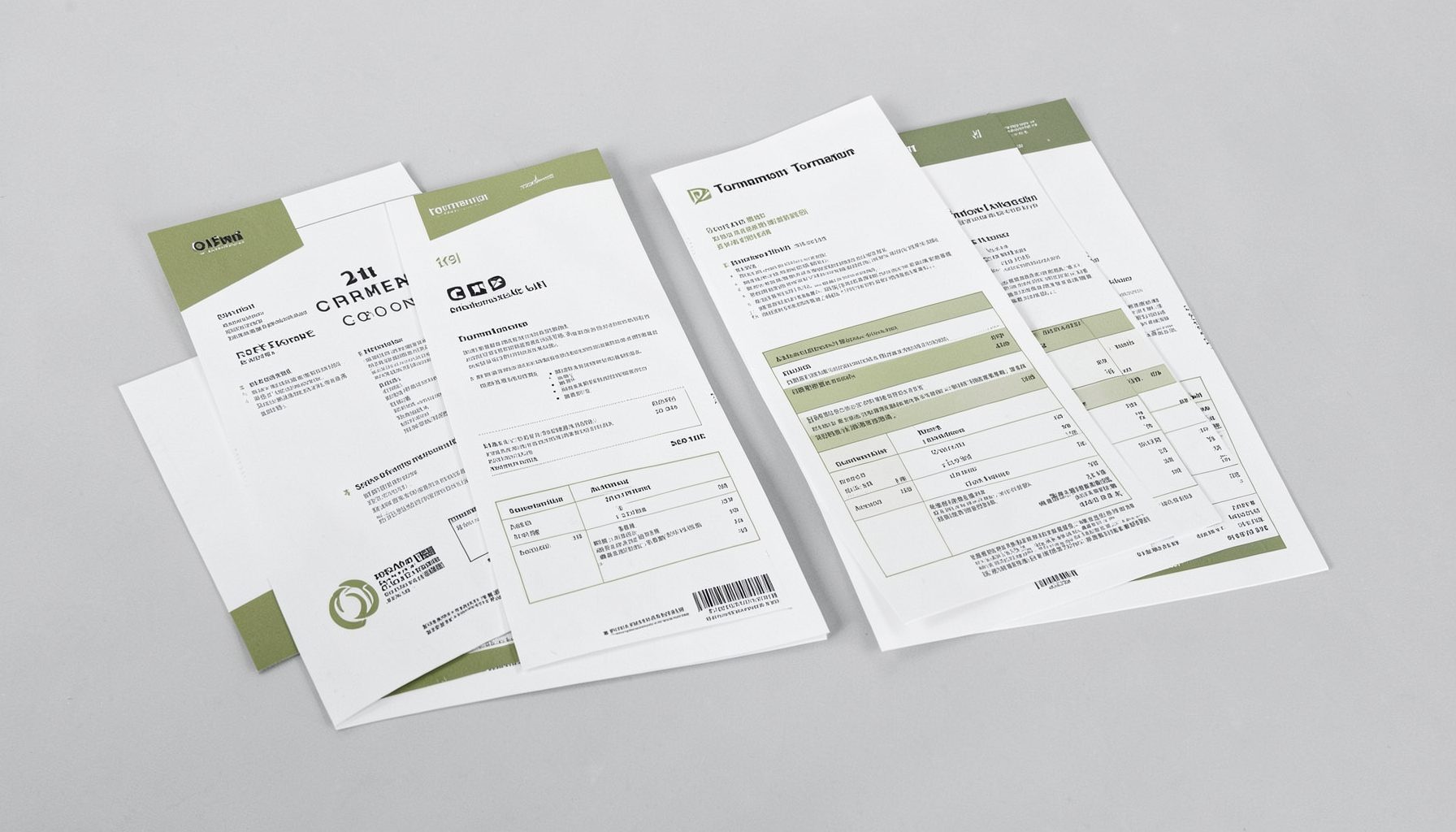
Tournament Packets
Packets from previous Kill Team events are kept here alongside new packets for upcoming tournaments, so organizers and players have what they need in one place.
View Event Data