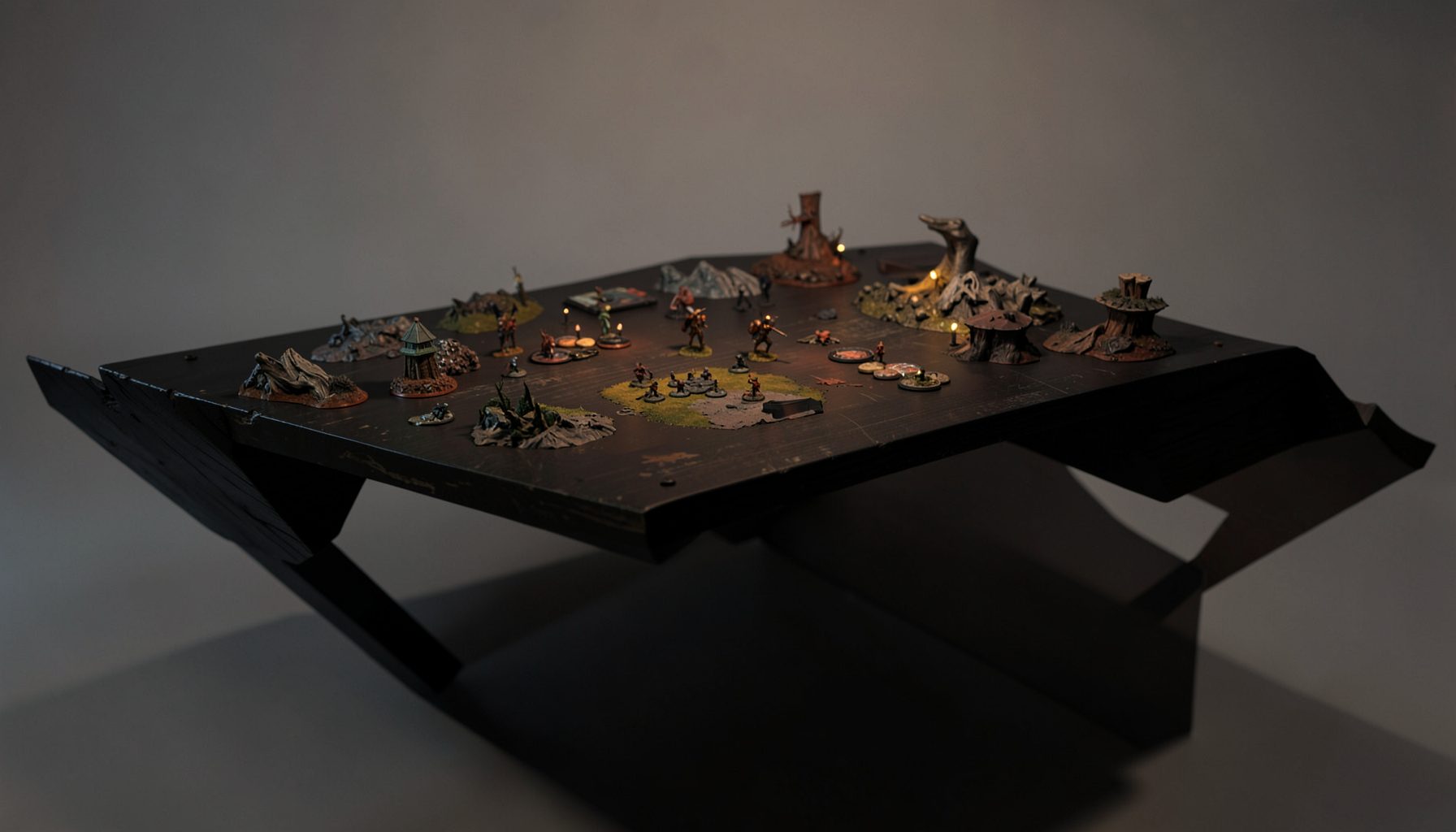
Live-streamed games, recorded matches, and event data gathered in one place.
Kill Team Stream hosts quality live streaming of Kill Team content — tournaments throughout the year on Twitch, regular games streamed to the channel, and tournament data gathered so players can see what's happening in the scene. Powered by WARHAMMER.
Browse tournamentsOfferings
Tournaments
Multiple Kill Team tournaments hosted throughout the year, all live-streamed on our Twitch channel.
Videos
Streams are recorded and uploaded to YouTube alongside original video content we produce.
Event Data
Tournament packets from past events plus resources for upcoming Kill Team tournaments.
Site Directory
Hearthkyn Salvagers mining tools bring tactical depth to kill team
The Hearthkyn Salvagers entered the kill team meta as a faction defined by what they carry. Where most teams treat their equipment as a list of ranged weapons and support systems, the Votann look at the battlefield and see a mining operation that happens to involve shooting. Their magna-coils, mining lasers, and heavy mining tools all serve a literal purpose in the lore and a very practical purpose on the tabletop. For players in Australia, where the mining heritage stretches from the iron ore pits of the Pilbara to the goldfields around Kalgoorlie, the aesthetic hits close to home, and the tactical possibilities are equally grounded.
What makes the Salvagers worth studying is how their tools overlap. A heavy mining tool is a melee weapon with the profile of a powered shovel. A HYLas auto rifle combines a beam with a kinetic burst. A magna-coil is, functionally, a small crane. Each piece of gear reads like something you would find on a worksite in Mount Isa or a quarry outside Adelaide, and each one translates into a specific battlefield role. For a tournament player looking for a faction that rewards careful planning over raw aggression, the Salvagers offer a refreshing kind of puzzle.
The kill team stream scene in Australia has grown steadily, with players in Melbourne, Sydney, and Brisbane streaming regular matches and posting recorded games on YouTube. Watching those matches is where the Salvagers click for newcomers. The faction's tools reveal their value when a player uses them to clear a heavy piece of terrain, contest an objective marker buried in a ruin, or drag a wounded operative back into cover. Once you see those moments, the faction's design choices make sense in a way that reading the ruleset cannot fully convey.
When mining tools become weapons
The headline piece of equipment in a Salvagers list is the heavy mining tool, a melee weapon that is essentially a powered excavator. With a solid damage profile and a respectable number of attacks, it gives the team a credible threat in the fight phase that does not rely on ballistic skill or shooting at all. Many players ignore melee options in kill team because operatives usually die before they reach close quarters, but the Salvagers' mining tools give the faction a genuine plan B. When the dice go cold on the HYLas rifles, a Salvager can still cross the board, swing a tool, and put an operative down.
The HYLas pattern auto rifle sits at the other end of the spectrum. It is a mining laser repurposed for combat, and its profile reflects that origin. It deals solid damage at a reasonable range and benefits from the faction's judgment token economy, which rewards operators for stacking damage over multiple activations. Where other factions rely on plasma or long rifles, the Salvagers can push damage forward with a tool originally designed to bore through rock. The result is a versatile ranged option that feels mechanically distinct from anything else in the game.
What ties these tools together is their dual purpose. A mining tool is not just a weapon; in the lore, it is what keeps the kin alive in the depths of the void. The ruleset leans into this by giving each tool a clear battlefield role that mirrors its real-world inspiration. Australian players with a foot in the resources industry, or who grew up in towns built around it, often comment that the faction feels familiar. The tactical lesson is that the same tool which keeps your team alive on the objective also keeps your opponent honest in the fight phase.
Claiming the board through Prospect tokens
The single most distinctive rule in the Salvagers' arsenal is the Prospect action. By spending an action, an operative can pick up a loot token that other factions simply ignore. Loot tokens spawn around the board in missions like Loot and Salvage, and most kill teams can only use them for a single, minor benefit. The Votann treat them as a resource economy. Each token collected feeds the faction's overall strength, turning what looks like a side objective into a critical pillar of the team's plan.
This mechanic reshapes how the team moves. A Salvagers list is rarely trying to control the centre of the table. Instead, the team arcs around the edges, picks up tokens as it advances, and uses those tokens to fund stronger activations later. The mining tools play into this directly. A heavy mining tool operative can collect a token, then push forward to claim the next one, then fall back with a magna-coil if needed. Each tool fits into a specific step of that loop, giving the player a clear reason to bring each piece of gear.
For an Australian player at a tournament in Brisbane or a local RTT at a community store, the Prospect action adds an extra layer of decision-making that other factions do not have. Streamers often highlight this mechanic, because it produces visible, satisfying plays. Picking up a token, cashing it in for a tactical boost, and then using a mining tool to clear the next obstacle is a sequence that reads well on camera and rewards viewers who want to learn the faction properly.
Magna-coils and terrain control
The magna-coil is the unsung hero of the Salvagers' kit. On the surface, it looks like a support tool. It can drag a wounded operative into cover or shift a token closer to a salvage point. What many players miss until they watch a few games is how often the magna-coil decides who wins a match. By repositioning your own operatives, you can deny angles, protect injured models, and set up the next activation in a way that the opponent cannot easily counter.
Terrain manipulation is what the rule is named for in the lore. The Votann are miners. Their tools are meant to dig, lift, and reshape. When a magna-coil pulls a piece of terrain into a defensive position or drags an operative away from a charging enemy, the game feels like a mining operation in miniature. Players who have visited the open-cut pits near Muswellbrook or seen the equipment at the Super Pit in Kalgoorlie will recognise the inspiration immediately.
The tactical implication is significant. Most factions in kill team have to choose between advancing and staying safe. The Salvagers can effectively advance twice in a turn by using a mining tool to clear a path and a magna-coil to reposition a friend. That combination keeps the team mobile without leaving operatives exposed. Australian tournament players, who often face long trips to events like Cancon in Canberra, appreciate any mechanic that helps them preserve models across a multi-day competition.
Building pressure with judgement tokens
Judgement tokens are the faction's damage engine. Each time a Votann operative damages an enemy, the model receives a judgement token, and once enough tokens stack on a single target, that target takes mortal wounds or suffers other penalties. Mining tools feed directly into this system. A heavy mining tool that lands two attacks in a single activation can stack two tokens at once, which is often enough to start the cascade.
The mining laser is even better at this. With multiple shots, it can drop several tokens onto a single target in one activation, triggering mortal wounds and pushing the faction closer to its ultimate ability. This is why Salvagers lists tend to cluster their fire. The team is not trying to spread damage across the enemy roster; it is trying to delete one operative at a time. Tools that fire multiple times, like the HYLas rifle, are central to that plan.
For viewers, this creates a satisfying visual rhythm. A Salvagers player fires their mining laser, stacks the tokens, watches the mortal wounds land, then sends in the heavy mining tool to finish the job. The kill team stream community loves this kind of clean, readable play. Australian streamers based in Perth and Adelaide have been particularly active in showcasing this loop, partly because the time zones (AWST and ACST) line up well with evening European streams, giving local players a chance to commentate on international matches while still running their own games.
Holding ground with the Votann philosophy
The Votann as a whole favour a slower, more methodical approach to kill team. Their operatives are tough, durable, and armed with weapons that reward steady aim over frantic aggression. The Salvagers lean further into this than any other Votann list. Their mining tools are not flashy; they are workmanlike. A heavy mining tool swings twice and breaks a dent. A mining laser shoots twice and chips a model down.
That philosophy rewards players who plan their activations in advance. A Salvagers player who charges in without thinking will lose models quickly. A Salvagers player who advances behind cover, picks up a loot token, then swings a mining tool into an exposed target will almost always win the trade. The faction's tools give the player a way to play for the late game, which is unusual in kill team, where early turn swings often determine the result.
Australian players who grew up playing matches at clubs like Good Games, or at local meet-ups organised through community Facebook groups, often find this playstyle intuitive. There is a patience to Australian tournament scenes that mirrors the Votann approach. Many local events run on a relaxed schedule, with lunch breaks and a few casual games between rounds. A faction that rewards steady play fits that environment well, and it gives players a reason to slow down and enjoy the game.
Watching and learning the faction down under
The Australian kill team community has produced a steady stream of Hearthkyn Salvagers content over the last year. Twitch channels based in Sydney and Melbourne run regular sessions, often starting around 7 pm local time to catch both Australian and European audiences. Recorded games on YouTube, complete with commentary, give newcomers a chance to study the faction's mining tools in detail. These resources are often free, supported by hobby store partnerships and local Patreon backers.
Independent hobby retailers play a key role in keeping the scene alive. Stores like Ace Comics in Brisbane, the Good Games chain across the country, and a number of independent outlets in Melbourne and Perth stock the Votann range and run in-store events that draw steady crowds. The price of a box of Hearthkyn Salvagers, once GST and local shipping from Australian distributors is factored in, sits around the AUD 80 mark, which is comparable to international pricing. Many players report that supporting these local stores gets them faster access to new releases than ordering from overseas, where Australia Post delivery times can stretch into weeks.
For a player starting out with the faction, the best resource is a recorded match from an Australian streamer. Watching someone in Melbourne play a Salvagers list against a meta pick, with the chat asking questions and the commentator pointing out the value of each mining tool, is the fastest way to learn the team. The combination of local content, accessible pricing, and a patient playstyle makes the Hearthkyn Salvagers one of the most welcoming factions for Australian kill team players, whether they are streaming from Brisbane or sitting down for their first game at a club in Parramatta.
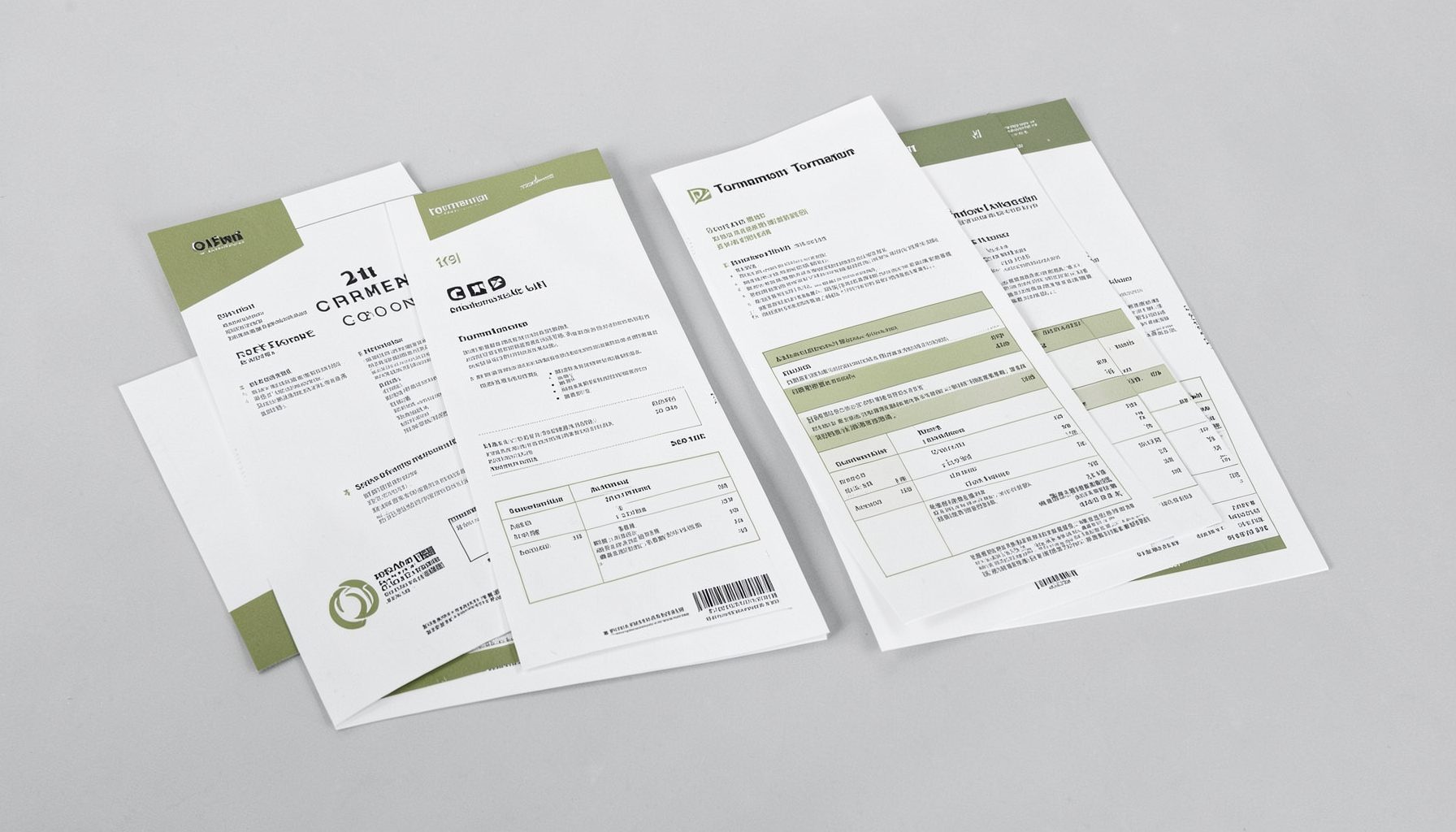
Tournament Packets
Packets from previous Kill Team events are kept here alongside new packets for upcoming tournaments, so organizers and players have what they need in one place.
View Event Data