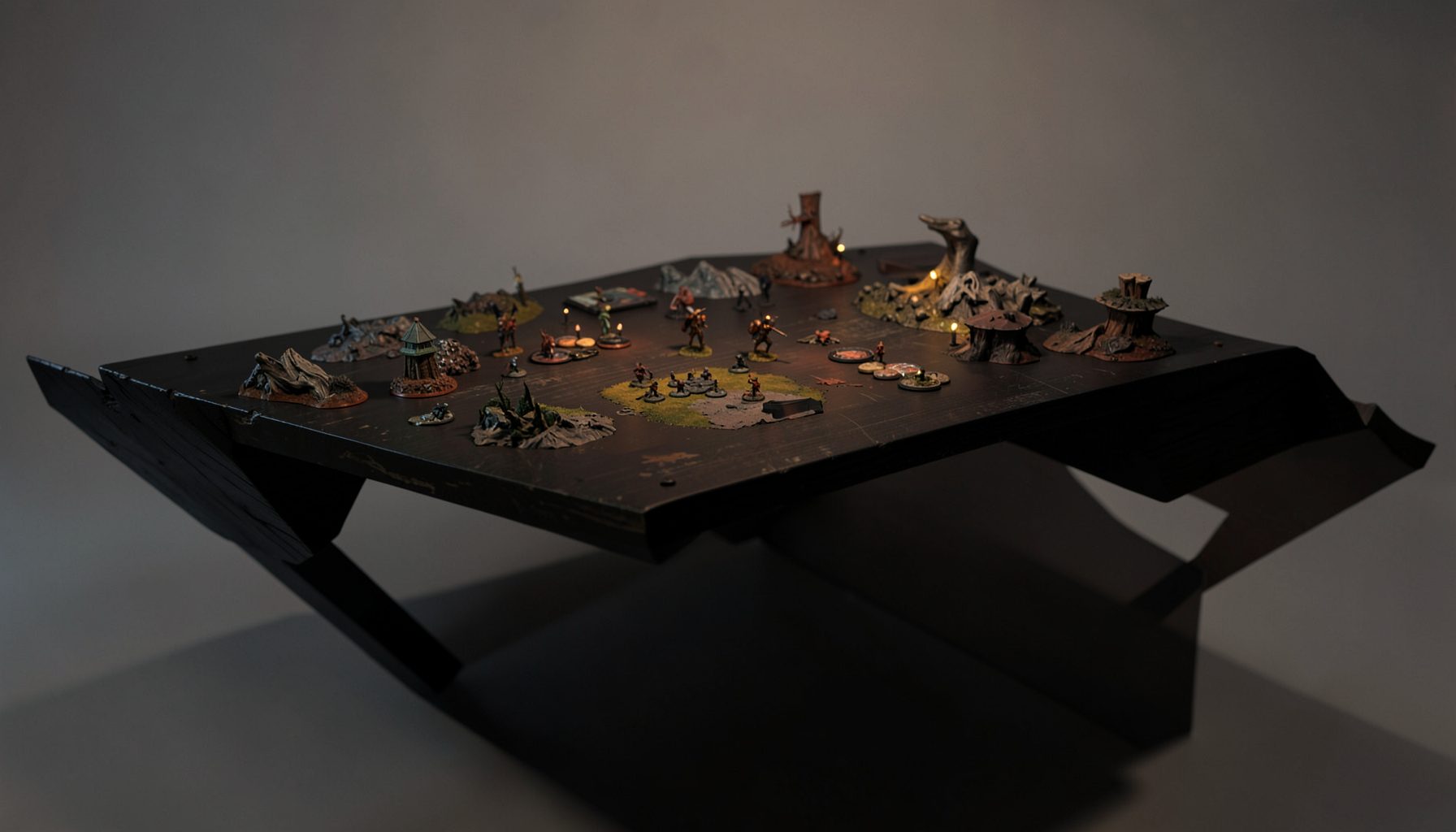
Live-streamed games, recorded matches, and event data gathered in one place.
Kill Team Stream hosts quality live streaming of Kill Team content — tournaments throughout the year on Twitch, regular games streamed to the channel, and tournament data gathered so players can see what's happening in the scene. Powered by WARHAMMER.
Browse tournamentsOfferings
Tournaments
Multiple Kill Team tournaments hosted throughout the year, all live-streamed on our Twitch channel.
Videos
Streams are recorded and uploaded to YouTube alongside original video content we produce.
Event Data
Tournament packets from past events plus resources for upcoming Kill Team tournaments.
Site Directory
Legionary Kill Team: Why This Chaos Roster Still Dominates
Competitive Kill Team in Australia has been heating up, with packed events rolling through Sydney, Melbourne, and Brisbane over the past few seasons. Aussie players have a habit of picking up whatever the international meta throws around and stress-testing it at local shops, and one roster keeps showing up on the top tables no matter what changes drop. The Legionary kill team, the Heretic Astartes force pulled straight from the Horus Heresy, has been a quiet favourite in tournament lists since its release. Even with new releases shaking up the field, this Chaos roster still pulls its weight on the cut.
For anyone unfamiliar, Legionary is built around a small band of Chaos Space Marines turned traitor, and the kit leans heavily into the grimdark flavour of the Horus Heresy without demanding players own a full 2000-point army. The kill team box is one of the more generous releases Games Workshop has put out, packed with bitz that can be assembled in dozens of combinations. In Aussie stores like Frontline General and bigger Good Games locations, you will often see the Legionary box flying off shelves during tournament season.
What makes the faction so interesting is that flexibility runs deeper than just model count. Every operative comes with options, and the rule set lets players mix Marks of Chaos, weapon loadouts, and specialisms to react to whatever the current meta throws at them. Watching the kill team played well feels like watching a crafty operator work through a problem, which is exactly the kind of gameplay Aussie viewers love on a Sunday arvo stream.
This article walks through the core reasons the Legionary kill team keeps landing in the top half of standings at events across Australia and beyond. We will look at the operative roster, the tactical tools, the matchup spread, and the hobby side of running a Heretic Astartes force. There is plenty here for new players and for seasoned competitors wondering whether to swap their current team out.
A Roster Built on Customisation
The Legionary kill team offers one of the widest operative pools in the game, and that breadth is the foundation of the faction's flexibility. Players can field a mix of Chosen, Butcher, Gunner, Leader, and basic Legionary operatives, with each option opening different tactical doors. Because every slot can be tailored, players can build a list to bully certain matchups or pivot into a more balanced configuration when the meta shifts.
This level of choice translates directly into how the team plays at the table. A player going into a meta dominated by elite infantry might stack more Chosen and Butchers to win the fight phase, while someone facing horde teams can lean into Gunners and ranged operatives to keep enemies at arm's length. Tournament lists from Australian events often include a fair dinkum mix of builds, all coming from the same box of models, which is a handy trick for anyone watching their hobby budget.
The Marks of Chaos system layers another dimension on top of the operative selection. Khorne, Nurgle, Tzeentch, and Slaanesh each grant different tactical benefits, and switching marks between games is usually a free action during list building. Nurgle's durability is a popular pick in events where Plasma-heavy teams run rampant, while Khorne's combat bonuses can shut down fragile melee specialists. Swapping playstyle without rebuilding models is a quietly powerful edge.
Weapon Loadouts and Tactical Tricks
Once the operative slots are set, the next layer of flexibility comes from weapon options. Almost every Legionary operative can swap between chainswords, bolt pistols, bolters, and heavier special weapons depending on the build. Heavy weapons like the heavy bolter, missile launcher, and flamer give the team genuine ranged threat that punishes opponents trying to play objectives from a distance. Melee specialists can opt for paired weapons or brutal chainswords.
A common build on stream is the double-Gunner configuration, stacking two heavy weapons into a list for raw firepower. Another popular option is the Butcher with paired accursed weapons, which deletes most elite operatives in a single fight. The Leader often runs the plasma pistol or a chainsword combo to keep its survivability up while still contributing to fights. These builds look nothing alike on the table, yet they all use the same core rules.
At Australian events like the Adepti-Con Melbourne Open and the Brisbane Smackdown, players have been experimenting with unusual loadouts. A Nurgle-marked Butcher with a heavy bolter is a terrifying anchor that shrugs off return fire while laying down suppression. These off-meta builds rarely win majors, but they show up in cut lists more often than expected.
| Faction | Operative Pool | Weapon Variety | Meta Matchup Spread | Painting Complexity |
|---|---|---|---|---|
| Legionary | 6 archetypes, fully swappable | High (bolters, plasma, heavy weapons, melee combos) | Wide, strong vs elite and horde | Moderate (extra details, trim, iconography) |
| Phobos Strike Team | 8 operatives, role-locked | Medium (mostly bolt weapons, some special) | Narrow, struggles vs mass | Low |
| Wyrmblade | 9 operatives, fixed roles | Medium-low (neon weapons, blades) | Average, best vs mid-teams | Low-moderate |
| Kommandos | 9 operatives, fixed roles | Medium (sluggas, choppas, dakka) | Wide, strong in melee | Moderate |
| Pathfinder | 10 operatives, fixed roles | Medium (long-range rifles, grenades) | Narrow, weak in melee | Moderate |
This snapshot shows where the Legionary kill team sits against other popular factions. The operative pool is shorter than the Specialist Teams, but every slot is interchangeable, which keeps the list flexible in a way rigid factions cannot match. Weapon variety is the strongest column for Legionary, and that translates directly into the wide matchup spread at the bottom.
Matchup Coverage and Meta Position
In the current competitive landscape, the Legionary kill team sits comfortably in the upper tier, often trading blows with Phobos, Wyrmblade, and the strongest Imperial teams for top table spots. The reason it survives metas that rotate around certain key factions is its ability to adapt to threats rather than rely on a single broken rule. When a popular new elite team rises, Legionary can stack damage to outfight it. When a horde or objective team surges, the team can field more bodies, longer threat ranges, and objective-focused tactics.
The Nurgle-marked build has been a particularly consistent choice in Australian tournaments because it survives plasma and heavy bolter pressure better than most elite rosters. Mark of Khorne has been showing up at events where players expect to face Orks or other melee-heavy lists, since the extra attacks and damage cut through weight of attacks more reliably. Players who switch marks between rounds often describe the experience as bringing a different team to each matchup.
The faction is not without weaknesses. It lacks the raw model count of Kommandos or Wyrmblade, and certain shooting-focused rosters can punish a slow midfield advance. Skilled opponents who know how to deny cover and force melee will often give Legionary players a hard time. Even when the faction dips in raw win rate, its tabletop presence and viewer engagement keep it relevant, which matters for a streaming-first platform like Kill Team Stream.
Hobby, Painting, and the Heretic Astartes Look
Beyond the rules, the Legionary kill team is a joy to paint, and that hobby side is one of the reasons the faction retains its place in the meta. The Heretic Astartes range is loaded with optional bitz, including chaos iconography, mutated helmets, alternate arms, and trophy racks that let painters build a squad with real character. Players who lean into bespoke conversions often end up with a team that looks completely different from anyone else's on the table, which is a small but meaningful flex at Aussie events where painting scores matter.
Colour schemes for Chaos Space Marines are notoriously flexible, ranging from classic black and gold to wild pink Slaanesh palettes or grimy Nurgle greens. The kill team box includes helmets, pauldrons, and weapon casings that are easy to undercoat and base, making the entry cost manageable for new hobbyists. Frontline General stores in capital cities often run beginners' painting nights during the week, and Legionary kits are a popular recommendation.
Legionary models are forgiving enough to meet Australian tournament painting standards with a steady hand and a couple of thin coats. Many streamers who play the faction on Twitch and YouTube keep their own teams in rotation, painting a fresh model for each big event. That mix of competitive relevance and personal expression keeps the Legionary kill team in regular streaming content.
Streaming, Tournaments, and the Aussie Scene
Kill Team Stream covers competitive play across Australia, and Legionary features heavily in the regular stream rotation. The kill team is a fixture in cut rooms and on Twitch VODs, from weekly casual nights at local clubs in Adelaide and Perth to bigger monthly events at major retailers. Most local streams run in the early evening AEST or AEDT, which works well for east coast players and casual viewers across the country.
The Australian competitive circuit is small but tightly connected, and Legionary players often share list ideas through Facebook groups, Discord servers, and the tabletop scene that has built up around Brisbane's Ace Comics. Big events like the Sydney Tabletop Open and the Melbourne City Championships have featured Legionary lists in the top eight for several seasons running. It is also common to see new players pick up the kill team after watching a stream, which is exactly the kind of grassroots growth that tournament organisers love.
For viewers wondering whether to start their own Legionary force, the answer is usually yes, especially if you already enjoy painting Heretic Astartes models or running flexible rosters. The faction rewards thinking two steps ahead, which fits Kill Team's chess-match style. Whether you are watching a stream on a Sunday arvo, sitting in on a tournament at your local club, or painting models on the couch after a long week at work, the Legionary kill team offers something for almost every kind of player.
Tournament Packets
Packets from previous Kill Team events are kept here alongside new packets for upcoming tournaments, so organizers and players have what they need in one place.
View Event Data