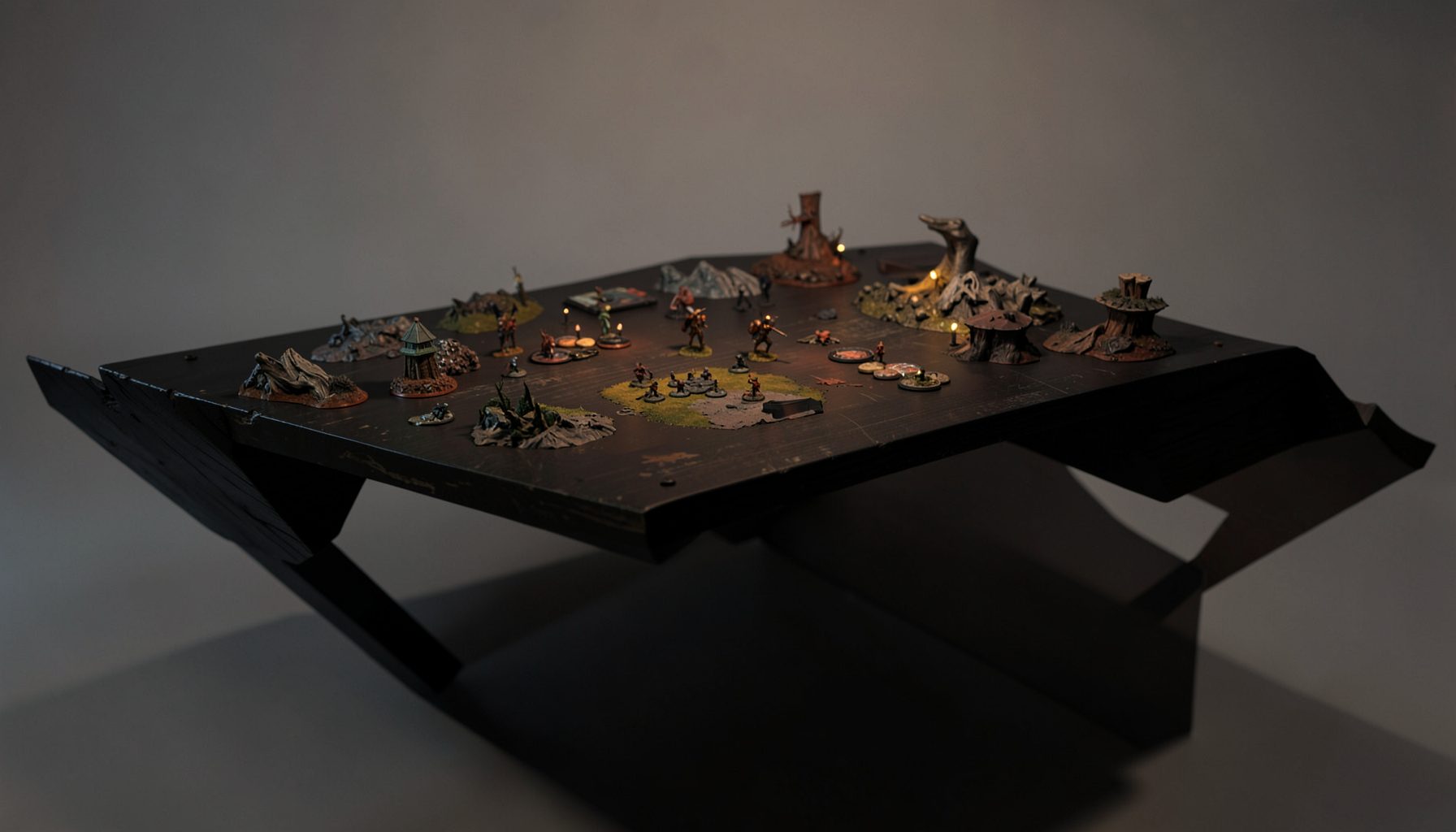
Live-streamed games, recorded matches, and event data gathered in one place.
Kill Team Stream hosts quality live streaming of Kill Team content — tournaments throughout the year on Twitch, regular games streamed to the channel, and tournament data gathered so players can see what's happening in the scene. Powered by WARHAMMER.
Browse tournamentsOfferings
Tournaments
Multiple Kill Team tournaments hosted throughout the year, all live-streamed on our Twitch channel.
Videos
Streams are recorded and uploaded to YouTube alongside original video content we produce.
Event Data
Tournament packets from past events plus resources for upcoming Kill Team tournaments.
Site Directory
How marks of Chaos shape every Legionary kill team
The Legionary kill team sits in a strange corner of the Warhammer 40,000 skirmish game. It is one of the few teams where every operative carries a piece of Chaos iconography, and that iconography is not just cosmetic. Marks of Chaos change weapon profiles, grant unique ploys, and tilt the entire team toward a particular fighting style. Many newer players treat marks as flavour choices, picking whatever looks cool on the model. Competitive players treat them as the spine of the list, because once a mark is locked in, almost everything else flows downstream from that decision.
Across the Australian tournament scene, Legionary has built a reputation as a tricky team to prepare against. Local players who queue up at events in Melbourne, Sydney, Brisbane, and the smaller stores dotted around the country know that guessing which mark the opponent brought can decide the dice rolls before a single model is deployed. Whether you are throwing dice at a Good Games store championship or settling into the early arvo slot at a Crossed Swords event, your mark selection speaks loud and clear about how the next game will unfold.
The rules behind the marks mechanic
Each operative in a Legionary team can be given a mark of one of the four Chaos gods, or left unmarked. The mark grants access to a specific faction ploy from that god, plus a small but meaningful boost to a weapon characteristic or save roll. Nurgle operatives tend to feel tougher, Khorne fighters hit harder and act faster in the fight phase, Tzeentch gives tricksy shooting tricks, and Slaanesh rewards fast, darting plays. Undivided, the unmarked route, leaves the operative without a god-specific bonus but frees up the rest of the team to spread buffs and synergies without competing for the same points pool.
The roster rules are strict about how many of each mark you can take. Players tend to learn these limits the hard way after they have built a gorgeous army on paper only to discover that the rules bar three Tzeentch sorcerers in a single fire team. Reading the relevant pages of the compendium or the kill team booklet carefully will save a lot of head-scratching later, especially when you start mixing marks within a single roster to layer their effects.
Why mark choice drives the whole roster
A common mistake is to pick weapon options first and marks second. The smarter workflow is to decide which playstyle you want to anchor the team around, then build outward. If you want a slow, grinding team that sits on objectives and refuses to die, Nurgle forms the core. If you want to charge across the board and delete priority targets, Khorne gives the muscle. Tzeentch makes the team into a shooting threat, and Slaanesh turns the roster into a mobile skirmish force that punishes opponents who overcommit.
Because each mark brings a different characteristic buff, the team comp shifts in subtle ways. A Khorne champion with a chainsword is a different proposition to a Slaanesh champion with the same blade. The mark does not just add a ploy. It changes the math in melee, the order of activations, and even how you measure threat ranges during the turning point. Treat marks as force multipliers rather than flavour, and the list-building process becomes much more disciplined.
Reading the meta through marks
Tournament prep in Australia usually starts with a long look at recent results, a couple of practice games at the local club, and a chat with mates who play the faction. Marks matter here because they signal intent. If half the recent top tables at an event ran Slaanesh-heavy lists, that tells you something about the missions that won that weekend, and it tells you which chaos gifts the local scene is rewarding. The marks your opponents take are almost a second deck of mission cards, telegraphing what kind of fight they expect to win.
Players who are serious about climbing the standings often switch their primary kill team between events rather than grinding the same roster all season. The recent article on reading the meta breaks down how to spot trends from a few events and turn them into a call about whether to stay loyal or pivot. Marks feed directly into that decision, because swapping from a Nurgle grinder to a Slaanesh skirmisher is not a small tune-up. It is a fundamentally different team with different matchups, different activation order, and different mission priorities.
The Australian context for Legionary lists
Time zones shape how Australians engage with the global kill team scene. A big online event broadcast from the UK often kicks off at midnight AEST, which means a lot of local players either set an alarm for the early hours or catch up on the recorded stream the next day. Twitch streams from the northern hemisphere tend to peak during Aussie prime time only when the casters are running events from North America, so the community has built its own rhythm around locally organised tournaments and weekend arvo sessions at friendly local game stores.
Pricing is another local reality. A box of Legionaries and the kill team booklet in Australian dollars is a fair chunk of change, and the market has not always kept models on shelves reliably. Players who are serious about running multiple mark combinations tend to magnetise arms and weapon swaps so they can field Khorne, Slaanesh, Tzeentch, or Nurgle configurations from the same box. A handful of hobbyists in Perth and Adelaide have shown off magnetic Legionary squads on community Discords, and the approach pays for itself the second time you change list for an event.
Combining marks and why it works
Hybrid lists are where the Legionary roster really opens up. Stacking a couple of Slaanesh operatives for board control while anchoring the team with a Nurgle icon bearer for objective holding is a popular build that has carried several Australian players to top tables. The key is to make sure the marks are pulling in the same direction, not fighting each other. A Slaanesh dart that runs off to grab a corner objective will frustrate the player if the rest of the team is built to slowly grind the centre.
Khorne and Tzeentch together can also work, but they demand careful play because they pull the roster toward opposite phases. Khorne wants to charge, Tzeentch wants to shoot, and splitting focus across the team often ends with neither side of the roster firing on all cylinders. The strong combos either lean into one mark for the main plan and use a second mark as a thin specialist role, or they commit fully to a single god and accept the trade-offs that come with that purity.
A useful exercise is to write down the win condition of every operative on the roster before you commit. If two operatives cannot agree on what they are trying to achieve in a turning point, the team will feel clunky even when the dice behave. The best hybrid teams share a single guiding principle, even when the individual marks look very different on paper.
Adjusting marks across the season
A kill team list is rarely finished after one event. Even when the roster performs well, mission packs rotate, terrain layouts change, and the local meta drifts as new players pick up the faction. Australian events often use the most recent Games Workshop terrain set and the latest mission selection, which keeps things fresh but also means a list that dominated the autumn schedule might struggle once the spring packet drops. The same mark that felt unbeatable on dense barricades can suddenly feel average on a board of crates and shipping containers.
Treating marks as adjustable hinges, rather than fixed commitments, gives you room to evolve. Some competitors keep a printed list of every operative they own with the marks they have magnetised, and they walk into each event with two or three prepared rosters. If the morning's pairings show three Tzeentch shooty teams on the top bracket, switching to a Nurgle grinder for the afternoon is much easier when you have already built the list at home. That flexibility is part of the fun of Legionary, and it is also where most of the improvement happens between events.
Bringing the right mark to a tournament is rarely about picking the strongest god in the current meta. It is about knowing your own roster, reading the room, and understanding which mix of buffs and ploys gives you the cleanest path to the objective. The legionaries that survive a full competitive season are usually the ones whose pilots treat mark selection as a serious strategic decision rather than a flavour choice.
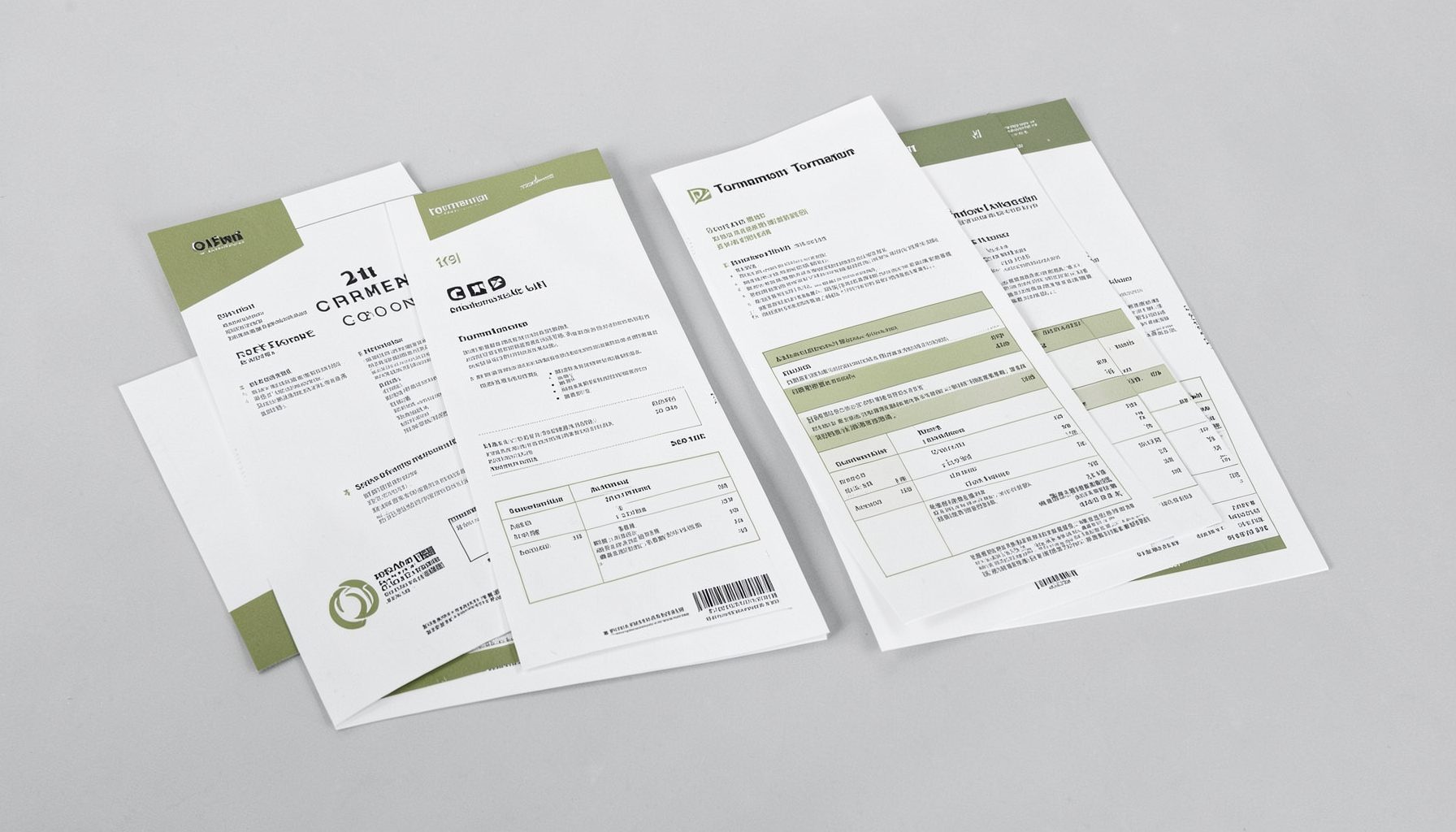
Tournament Packets
Packets from previous Kill Team events are kept here alongside new packets for upcoming tournaments, so organizers and players have what they need in one place.
View Event Data