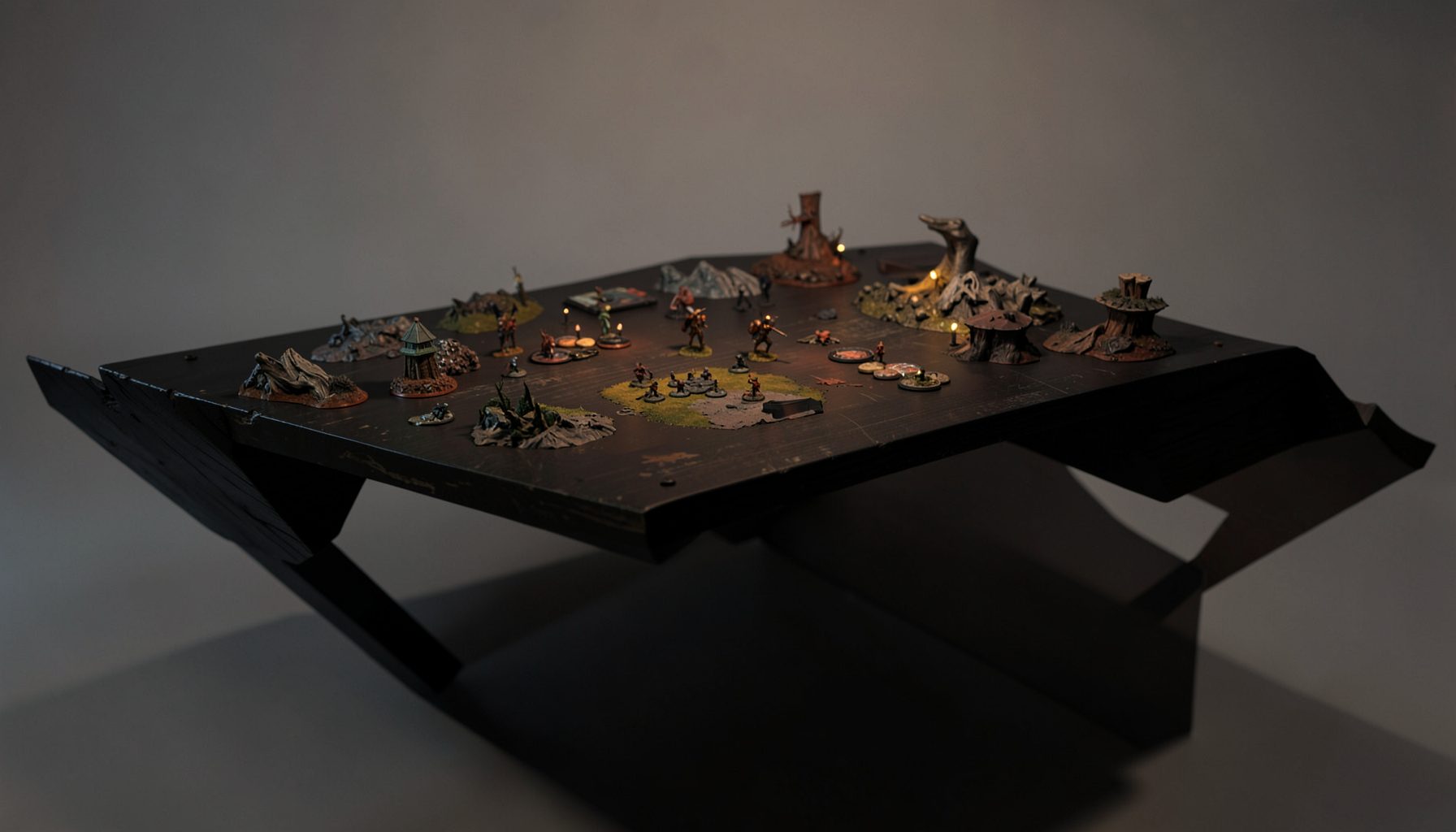
Live-streamed games, recorded matches, and event data gathered in one place.
Kill Team Stream hosts quality live streaming of Kill Team content — tournaments throughout the year on Twitch, regular games streamed to the channel, and tournament data gathered so players can see what's happening in the scene. Powered by WARHAMMER.
Browse tournamentsOfferings
Tournaments
Multiple Kill Team tournaments hosted throughout the year, all live-streamed on our Twitch channel.
Videos
Streams are recorded and uploaded to YouTube alongside original video content we produce.
Event Data
Tournament packets from past events plus resources for upcoming Kill Team tournaments.
Site Directory
Adapting Your Game Plan To Changing Kill Team Objectives
A mission pack gives a Kill Team tournament its rhythm. The same roster can feel aggressive in one mission, cautious in the next, and surprisingly fragile when the scoring conditions change. Winning consistently means reading the objective before deciding how your operatives should fight.
Primary objectives usually shape the broad plan, while mission rules, deployment zones, terrain and secondary tasks create the difficult choices. A strong player identifies what must happen early, what can wait, and which actions are worth more than an extra attack.
This guide focuses on flexible decision-making rather than a single faction or roster. The aim is to help players adjust during event preparation, between rounds and in the middle of a game when an attractive target appears in the wrong place.
For Australian players, adaptation also includes practical planning. A tournament in Melbourne may reward compact transport and careful public-transport timing, while an event in Brisbane or Perth may involve different travel distances, venue layouts and local gaming communities. Your mission plan begins before the first dice are rolled.
Read The Mission Before Choosing A Fight
Start by separating the mission into four questions: what scores victory points, when those points are scored, where the scoring areas are located, and which actions are required. This prevents the common mistake of treating every game as a straightforward elimination battle.
Mark the objectives that matter immediately and those that become important later. Some missions reward early board control, while others allow a player to build momentum through a final-turn push. If scoring happens at the end of a turning point, preserving an operative can be more valuable than contesting a marker for a single activation.
Deployment is part of the mission rather than a separate step. A central objective in open ground may be technically valuable but practically expensive. A safer flank objective can produce the same points while forcing your opponent to spend several activations reaching it. Look at movement distances, cover, vantage points and likely charge lanes before selecting an opening route.
Build A Flexible Priority System
A useful priority system has three levels. Essential tasks are actions that directly produce primary points or prevent an opponent from scoring. Valuable tasks improve your position, remove a key threat or prepare a later scoring play. Optional tasks are attractive but can be abandoned without damaging the overall plan.
This ranking should remain visible throughout the game. If an operative has the option to eliminate an enemy or perform a mission action, compare the likely value of both outcomes. A kill may reduce future pressure, but an objective action could secure points that cannot be recovered later.
Resource management follows the same principle. Command points, once-per-turn abilities, equipment and specialist activations should support the mission rather than operate independently from it. Players familiar with optimising scarce resources in other strategy games may recognise the same discipline in this resource farming guide, although Kill Team adds movement, line of sight and activation order to the calculation.
Match Your Roster To The Pack
Before an event, review how your team handles different mission demands. A roster that relies on close combat may dominate a dense board but struggle when objectives are spread across open ground. A shooting-focused team may control lanes effectively yet lack the bodies required to hold several points at once.
Consider mobility, durability, action economy and threat range. Operatives that can move and perform an objective action efficiently are often valuable even when they have modest combat profiles. Specialists with unusual utility can become central pieces in missions involving consoles, recoveries or restricted movement.
This is also where roster construction and equipment choices need to work together. Avoid selecting upgrades solely because they improve a favourite attack. An item that protects a mission carrier, extends a threat range or makes a key action more reliable can have a greater effect on the final score.
Painting and presentation can support practical roster preparation as well. A clear speed painting guide can help you finish a tournament-ready team while using consistent colours to identify specialists quickly across a crowded table.
Plan The First Turning Point
The opening turning point should establish information and position, not necessarily produce the highest number of casualties. Identify which enemy operatives can reach your objectives, which models are protected by terrain and which activations will reveal your opponent’s intentions.
When possible, use early activations to secure safe ground, establish firing angles or force the opponent to react. Avoid exposing a specialist simply because the model has a useful weapon. If that operative is needed for a later mission action, its survival has strategic value beyond its attack profile.
A flexible opening usually includes one scoring move, one threat-setting move and one piece of insurance. The scoring move claims or prepares an objective. The threat-setting move controls a route or targets a vulnerable operative. Insurance may involve keeping a model concealed, preserving a command point or leaving an activation available for a late response.
Change Course Without Losing Tempo
Changing objectives does not mean abandoning the entire game plan. Recalculate after major events: an operative dies, an objective becomes inaccessible, a charge fails, or the opponent reveals a secondary task. Ask which points are still realistic and which plan now requires too many activations.
A common trap is sunk-cost thinking. If two operatives have already moved toward a flank, that does not automatically mean the flank remains worth contesting. If the opponent has reinforced it or the scoring window has passed, redirecting those models may be correct even when the earlier movement now appears inefficient.
Tempo matters because every activation has an opportunity cost. A model performing a mission action may not be attacking, while a model fighting may not be scoring. Try to create turns where one activation achieves two forms of value, such as clearing an enemy from an objective and ending in a protected position.
Use Terrain And Timing As Objectives
Terrain changes the value of every objective. An objective behind heavy cover may be easier to hold but harder to approach. An exposed marker can become a trap if reaching it places an operative within several enemy threat ranges. Measure the route, not just the destination.
Australian tournament tables often differ between venues. A large event in Sydney may use carefully standardised terrain, while a smaller club event in Adelaide, Canberra or regional New South Wales may have a more varied collection of boards. Study the terrain before deployment and avoid assuming that your practice table represents the event pack perfectly.
Timing is equally important. Early in the game, an objective may be worth taking because it creates pressure. Later, the same objective may be irrelevant if the remaining activations cannot secure its points. Track the scoring window and count how many friendly and enemy activations remain before committing to a contested position.
Prepare For Tournament Conditions
Mission-pack preparation should include more than reading the rules. Play practice games where you deliberately change the objective priority after the first turning point. This trains you to reassess instead of repeating a memorised opening sequence.
Create a short reference sheet for each mission. Include deployment features, primary scoring timing, important actions, likely routes and the enemy pieces most capable of disrupting your plan. Keep it concise enough to consult between rounds without slowing the event schedule.
Local logistics can affect performance. Australian tournaments may involve early starts, long drives between suburbs or interstate travel, and limited food options near a venue. Pack water, familiar snacks, measuring tools and spare tokens. In warmer parts of Queensland or Western Australia, keeping miniatures and cards out of a hot car is sensible, since warped components and softened paint can create avoidable problems.
Buying or replacing tournament supplies from Australian retailers also involves ordinary consumer protections. The Australian Consumer Law generally applies to goods sold by businesses, so a faulty product may qualify for a remedy even when it was purchased for a specific event. Keep receipts and check store policies rather than assuming tournament urgency removes those rights.
Review Decisions After Every Round
A useful post-game review focuses on decisions rather than luck. Record the first point at which your plan changed, the objective that produced the most value, and the activation that had the largest opportunity cost. This creates practical information for the next round.
Separate tactical errors from strategic errors. A failed attack is tactical. Choosing a mission that required more mobility than your roster possessed is strategic. Both matter, but the solutions are different: one may require better sequencing, while the other may require a different equipment choice or deployment approach.
Watch recorded tournament games with the mission pack beside you. Pause before major activations and predict which objective should matter most, then compare that prediction with the player’s decision. Live coverage and commentary can reveal patterns in competitive play, especially when several factions solve the same mission in different ways.
The strongest adaptation is rarely dramatic. It is usually a series of small choices: leaving an operative concealed for one more activation, trading a low-value kill for a mission action, or abandoning a lost flank before it consumes the rest of the turning point. A changing objective rewards players who keep counting, keep measuring and keep their plan flexible.
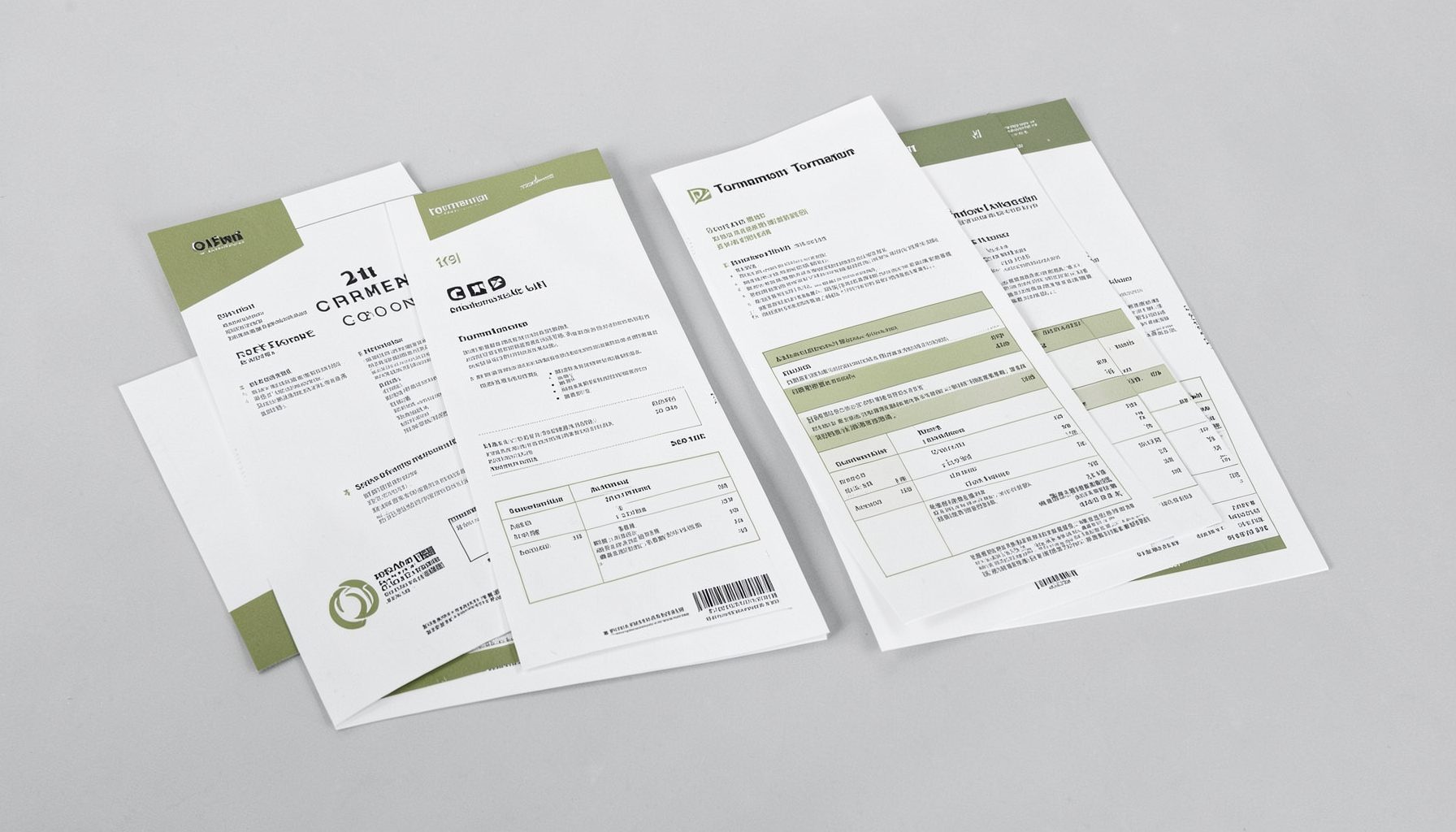
Tournament Packets
Packets from previous Kill Team events are kept here alongside new packets for upcoming tournaments, so organizers and players have what they need in one place.
View Event Data