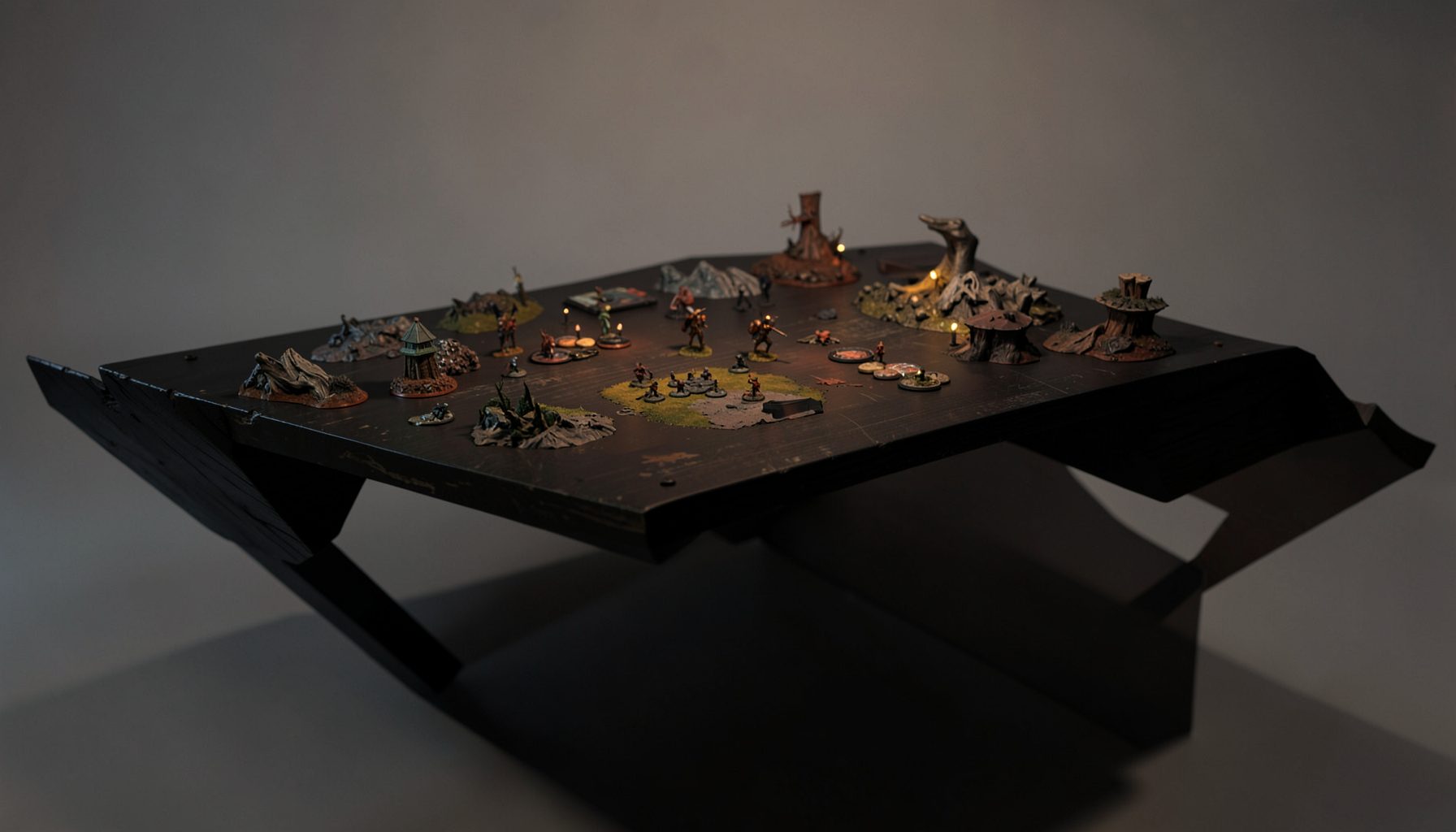
Live-streamed games, recorded matches, and event data gathered in one place.
Kill Team Stream hosts quality live streaming of Kill Team content — tournaments throughout the year on Twitch, regular games streamed to the channel, and tournament data gathered so players can see what's happening in the scene. Powered by WARHAMMER.
Browse tournamentsOfferings
Tournaments
Multiple Kill Team tournaments hosted throughout the year, all live-streamed on our Twitch channel.
Videos
Streams are recorded and uploaded to YouTube alongside original video content we produce.
Event Data
Tournament packets from past events plus resources for upcoming Kill Team tournaments.
Site Directory
Mastering Ploy and Stratagem Timing in Kill Team
Ploys and stratagems are the levers that swing a Kill Team match. Many players know what their faction can do, but few know when to pull those levers. Timing is what separates a squad that merely plays its rules from a squad that bends the game to its will.
Tournament tables across Brisbane, Melbourne, and Sydney reward players who read tempo. A ploy spent one activation too early can hand initiative back to the opponent, while a stratagem held one turn too long often becomes a wasted resource.
The skill of sequencing abilities lives somewhere between memory and instinct. Regulars at local halls, from Good Games Parramatta to Milspec Games in Adelaide, will tell you that drilling the sequence of clicks and dice rolls is just as important as list-building.
This guide walks through the rhythm of activations, the discipline of pre-game planning, and the small habits that sharpen your reflexes on the day.
Reading the activation phase like a clockmaker
Kill Team turns unfold in a strict, alternating sequence. Each player activates operatives one at a time, starting with whoever holds the initiative. Strategic ploys fire once per turn before the first activation, while tactical ploys attach themselves to a single operative's action. Many beginners treat the strategic phase like a free coupon. Experienced competitors treat it like the first move of a chess game.
The initiative stat on your faction card is the dial that controls this rhythm. If your operatives tend to be slower than the opposing kill team, you'll usually win initiative on even-numbered turns and lose it on odd ones. Plan around that. Burn your precious combat ploys on the turns you hold the initiative, and save movement-based tricks for the turns you don't.
Players at Brisbane's Bushwhacker Games often talk about "floating" a ploy for one turn, then slamming it down when the opponent overextends. Floating means choosing to spend nothing during your strategic phase so you deny information. Your opponent cannot plan around a ploy they cannot see. The trade-off is tempo: you give up a window of value for a future surprise. When that surprise lands, it often swings the score track two points in a single turn.
Choosing strategic ploys before the first die rolls
The moment a match begins, your strategic and tactical ploys are fixed. There is no swapping them out halfway through the game. This is why pre-match selection is more than a checkbox on a dataslate. The three strategic ploys you choose define your team's identity for the next ninety minutes.
A useful habit from competitive Melbourne circuits is to write your three strategic ploys on a sticky note and place them next to your deployment zone. Reading them out loud each turn resets your brain. It also stops you from forgetting a ploy when fatigue or nerves kick in around the fourth or fifth Turning Point.
Synergy matters here. If your faction has access to a faction-specific combat ploy that triggers on a 6+, ask whether your team comp supports fishing for those critical hits. For players building around role identity, the guide on building a kill team for a team tournament synergies and roles basics outlines how to pair each operative's role with the right ploy package. A controller holding a back objective wants different timing than a sniper holding a vantage point, and the ploys should reflect that split.
Spotting the tipping point in a match
Every Kill Team game has a moment when the math flips. Maybe the opponent's heavy hitter is suddenly one wound away from being mopped up, or your loose operative has finally drawn a charge lane. Recognising that moment is the difference between a ploy that wins the game and a ploy that fizzles.
A common Australian approach taught at the Good Games tournament scene is the "score check". After every Turning Point ends, glance at the score markers and the objective count. If the opponent needs two activations to catch up, you have room to breathe. If they need one, the next activation is your tipping point. Spend the ploy now.
The other side of tipping-point awareness is reading body language. Players in local leagues in Perth and Hobart learn quickly that a twitchy opponent usually has a ploy ready. A relaxed opponent has already spent theirs. Use that information. If your rival looks calm at the start of their turn, push forward and force a reaction. If they look tense, you can afford to play conservatively and bleed the clock.
Stacking ploys for cascade effects
Cascades are what commentators love to call on stream. A cascade happens when one ploy sets up a second ploy, which in turn enables a third effect. Veteran teams build these chains during list design, then rehearse them until they can be triggered in any order.
Take a common example: a faction ploy grants a friendly operative a free dash after killing an enemy. Pair that with a tactical ploy that lets you shoot again with a different operative. Spend strategic ploy one to reposition, then activate the killer with the dash, then activate the shooter on a fresh angle. One activation chain turns into three score ticks.
The Australian dollar stretch makes training these cascades doubly important. With minis and event entries pricing out casual experimentation, players want every dollar of practice to count. Drilling the same five-activation chain until it becomes muscle memory is cheaper than buying two extra boxes to try alternative combos. A weekend session at a local club costs far less than chasing a brand-new faction release through online retailers that pass on heavy parcel fees and import duties.
Adapting when the mission timer bites
Most local events in Sydney and Canberra run on a brisk match clock, usually around ninety minutes for a standard game. When the clock passes the halfway mark, strategic thinking shifts from winning the round to winning the time race. Ploys that require setup over multiple turns start to lose value. Burst-damage ploys and clean-up actions take their place.
A reliable rule of thumb from referees at Adelaide venues is to count your remaining score opportunities. If you can score one objective per turn and the opponent can score two, holding a slow-burn ploy is suicide. Burn it now, even on a sub-optimal target, to deny the opponent a clean turn. A wasted ploy that swings initiative is still better than a perfect ploy that never fires.
Time pressure also affects how players use tactical rerolls. If your team depends on a key ploy to enable rerolls, save it for the moment when failing a single save will cost you the game. Earlier activations usually tolerate failure; later activations often cannot.
Drilling the routine until it feels automatic
Tournament players treat ploy timing as a skill, not a secret. They practise with stopwatch drills, run mock matches at local clubs, and review VODs from events streamed on Kill Team Stream. The goal is to remove thinking from the sequence and replace it with pattern recognition.
One of the simplest drills is the "three-activation test". Set up a board with five operatives each side, roll for initiative, and play out exactly three activations. After each activation, pause and announce which ploy you would spend next and why. Doing this ten times in a row, with different faction pairings, trains the brain to ask the right question at the right time.
Players who post results from events at Brisbane's QCON or the Sydney Tabletop Convention often credit their success to this kind of repetition. Even a thirty-minute solo drill before a tournament day can smooth out the jitters and bring your tactical reflexes back to tournament sharpness. Timing, after all, is habit worn smooth by practice.
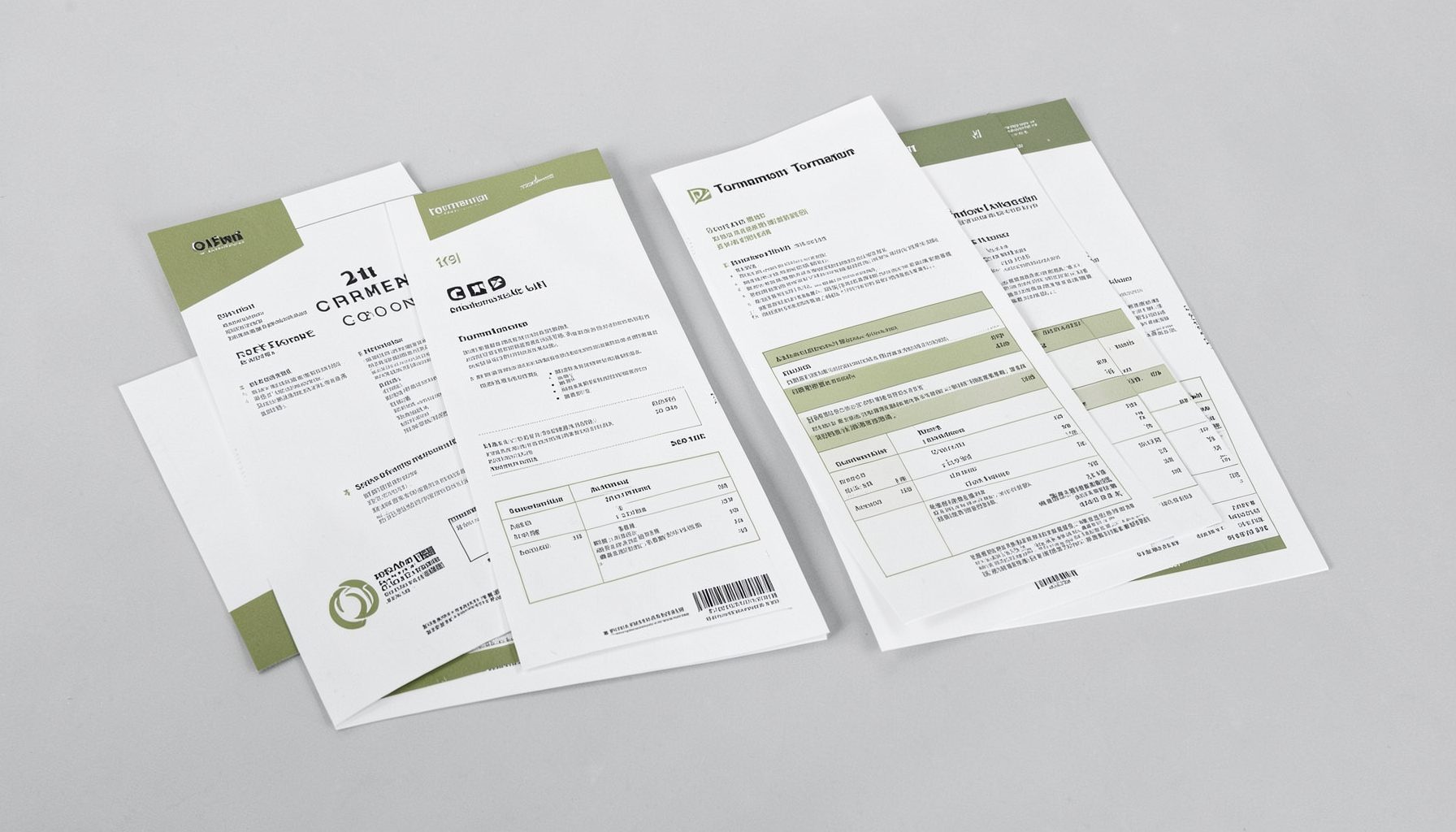
Tournament Packets
Packets from previous Kill Team events are kept here alongside new packets for upcoming tournaments, so organizers and players have what they need in one place.
View Event Data