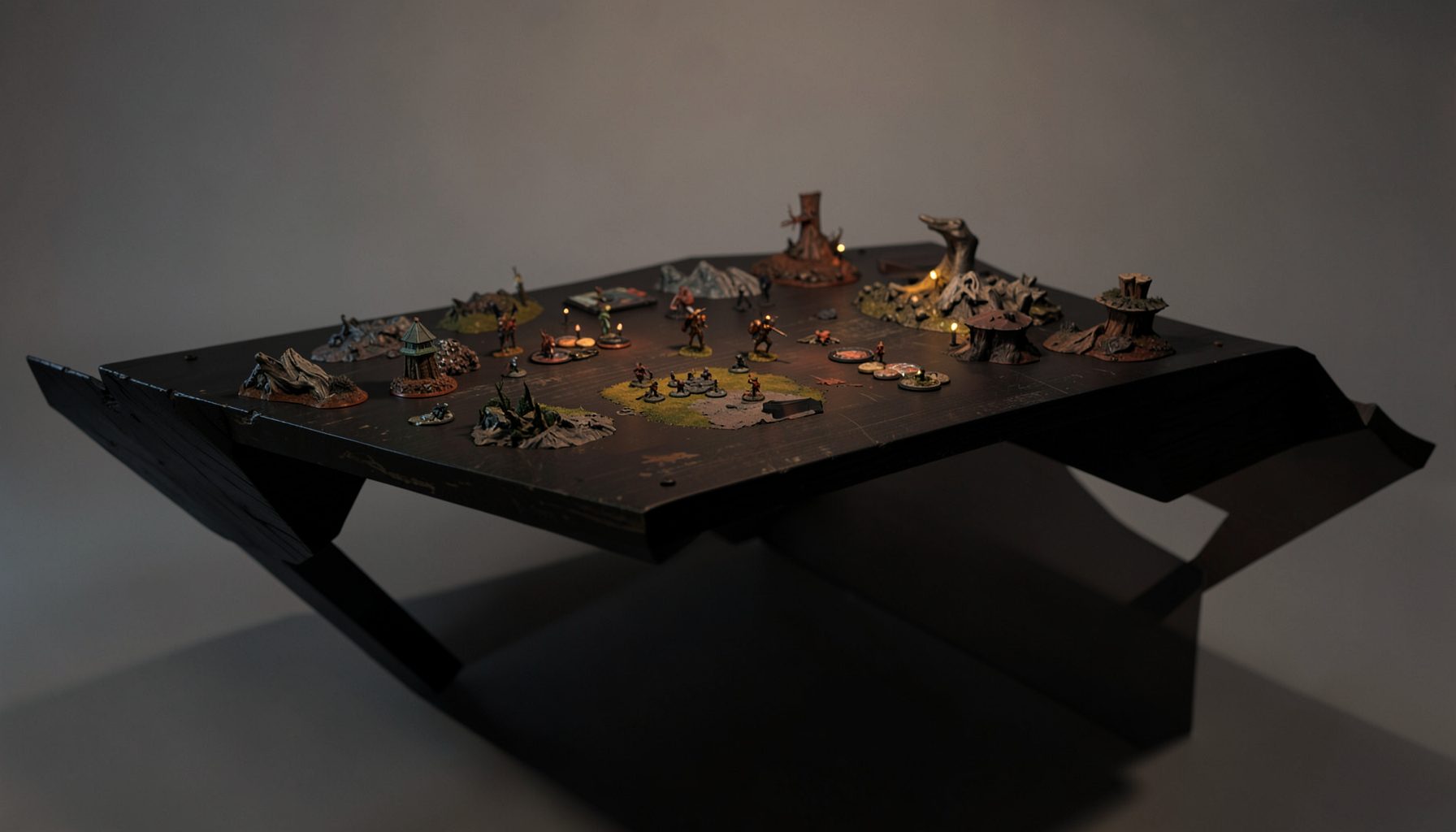
Live-streamed games, recorded matches, and event data gathered in one place.
Kill Team Stream hosts quality live streaming of Kill Team content — tournaments throughout the year on Twitch, regular games streamed to the channel, and tournament data gathered so players can see what's happening in the scene. Powered by WARHAMMER.
Browse tournamentsOfferings
Tournaments
Multiple Kill Team tournaments hosted throughout the year, all live-streamed on our Twitch channel.
Videos
Streams are recorded and uploaded to YouTube alongside original video content we produce.
Event Data
Tournament packets from past events plus resources for upcoming Kill Team tournaments.
Site Directory
What Makes A Good Kill Team Battle Report
A strong Kill Team battle report does more than record who won. It gives viewers a clear sense of the mission, the operatives, the turning points and the decisions that shaped the result. The best reports make a match feel understandable even when someone is watching a faction they have never played.
That balance matters in competitive coverage. Experienced players want useful tactical detail, while newer hobbyists need enough context to follow the action without pausing every few seconds to search for a rule. A good report serves both groups through careful preparation, clean visuals and commentary that explains choices rather than simply announcing dice rolls.
Australian events bring their own practical considerations. A tournament in Melbourne, Sydney or Brisbane may have different venue layouts, lighting and internet reliability, while a Perth event can be difficult for interstate viewers to watch live because of time-zone differences. A polished production plans around those realities instead of treating them as minor inconveniences.
The camera operator, commentator, player and editor all contribute to the final story. They need to show the battlefield clearly, preserve the rhythm of the game and identify the moments that deserve attention. With a repeatable method, even a modest local event can produce coverage that feels professional and teaches viewers something valuable.
Prepare The Story Before The First Turning Point
Preparation begins with the match information. Record the mission, primary and secondary objectives, terrain style, kill teams, equipment choices and player names before the opening activation. A short graphic or spoken summary gives the audience a map of the game before the first operative moves.
The report should also establish what each team wants to do. A close-combat force may need to reach the centre quickly, while a shooting team may prefer long sightlines and a cautious first turning point. Mentioning those priorities creates a tactical frame for everything that follows. When a player takes an unusual route or sacrifices an operative, viewers can understand the purpose behind the decision.
Check pronunciation, faction names and current rules before recording. Competitive Kill Team has enough specialist terms that a small mistake can undermine confidence, especially when a report is used as an educational resource. A simple production sheet with operative names, weapon profiles and objective wording helps commentators stay accurate under pressure.
For Australian tournaments, preparation should include the schedule and local setting. A long day at CanCon in Canberra, a packed club event in Adelaide or a late-running Saturday tournament in Sydney may create gaps between rounds. Capture venue shots, army displays and player interviews during those pauses so the finished report has atmosphere without delaying the next match.
Show The Board Clearly And Consistently
A battle report depends on visual information. The audience must be able to identify deployment zones, objectives, vantage points, barricades and the position of important operatives. Use a wide overhead shot for orientation, then switch to closer angles when a charge, shooting attack or objective contest needs emphasis.
Keep the camera position stable between turning points where possible. If the battlefield appears to rotate or terrain disappears behind a commentator’s arm, viewers lose their mental map. A small overhead camera, a second side camera and clearly marked objective tokens can achieve a great deal without the production becoming expensive.
Graphics should clarify rather than compete with the game. A simple overlay can show the current turning point, victory points, initiative and remaining operatives. Use consistent colours for each kill team and identify a model by its role or name when it becomes central to the action. Avoid covering the very area where a critical dice roll is happening.
Audio deserves equal attention. Test microphones before the round starts, reduce background noise and make sure commentators can hear one another. Australian venues often combine hard floors, crowded club halls and loud conversations, so a directional microphone or close-miked commentary can make a dramatic difference. If the stream is happening in the arvo and the room is warming up, check fans and air-conditioning noise before going live.
Capture Decisions, Not Just Dice Results
A report becomes compelling when it explains why an action matters. Instead of saying that an operative moved six inches, describe the consequence: the move denied a charge lane, opened a line of sight or forced an enemy to spend a valuable action. This turns a sequence of rules interactions into a story of competing plans.
Commentators should identify the decision point before discussing the outcome. Ask what the player is trying to achieve, what risks are involved and which alternatives are available. After the dice are rolled, return to that choice. A failed shot may still be correct if it removed an enemy from a key position; a successful attack may be poor if it exposed a valuable specialist.
| Match Element | What To Capture | Why It Helps Viewers |
|---|---|---|
| Mission and objectives | Scoring conditions and priority locations | Establishes the win condition |
| Deployment | Initial threats, safe lanes and reserves | Explains early movement |
| Turning point plan | Intended activations and timing | Shows strategic priorities |
| Key activation | Movement, ability, attack and reaction | Connects rules to consequences |
| Critical mistake | Missed threat or risky commitment | Makes the lesson memorable |
| Endgame | Final score and surviving operatives | Shows how the plan finished |
Use replays or brief pauses for moments that happen too quickly to follow. A highlighted movement path, an arrow showing line of sight or a close-up of the dice can make a complicated activation accessible. These additions are especially useful when covering a new edition, an unfamiliar team or a tournament pack with custom scoring.
The report should preserve uncertainty without creating confusion. Do not reveal every hidden plan immediately if the suspense depends on it, but explain enough for viewers to follow the stakes. A commentator might say that a player is choosing between securing an objective and protecting a wounded specialist, then revisit the choice after the activation. That structure makes the match feel like a sequence of meaningful decisions.
Give Players Room To Explain Their Choices
Player interviews add depth that an overhead camera cannot provide. A short pre-match conversation can cover faction identity, expected threats and the player’s preferred game plan. Keep it focused: two or three useful questions are usually better than a long discussion that delays the round.
Post-match interviews should concentrate on turning points. Ask which activation changed the game, whether a key decision was planned and what the player would change next time. A losing player can provide some of the most valuable analysis because they can identify where their plan broke down without pretending the result was inevitable.
Consent and expectations need to be clear before filming. Players should know whether the match will be streamed live, edited later, clipped for social media or used in educational content. A written agreement can cover names, images, commentary, tactical information and any restrictions around unreleased lists. The player agreement notes provide a useful starting point for setting those expectations.
Respect the difference between analysis and criticism. Explain the tactical consequence of a choice without turning a missed activation into a personal judgement. This is particularly important in Australia’s relatively close tournament community, where players may face one another at multiple events across the season. Fair coverage builds trust and makes competitors more willing to return for future streams.
Edit For Pace, Context And Replay Value
Live coverage has a natural rhythm, but recorded battle reports need deliberate editing. Remove long periods of measuring, rules checks and table rearrangement unless they reveal something important. Keep enough of the process to show how the decision was made, then move efficiently to the result.
A clear episode structure might open with the matchup, show deployment, follow the first major exchange, highlight the central turning point and finish with the final score plus player reflections. Chapters and timestamps help viewers revisit a specific turning point or learn how a particular operative works. They also make a long tournament recording easier to search on YouTube.
Do not edit away every pause. A brief moment before a high-risk activation can communicate tension, especially when the commentator explains the possible outcomes. Let the audience see a player measure a charge, count remaining activations or decide whether to spend a resource. Those small details create authenticity and make the competitive environment feel real.
Use captions for faction names, key abilities, scores and technical terms. Captions also improve accessibility when viewers watch on a phone in a noisy environment or with the sound low. This matters for audiences following events across Australian time zones, including viewers in Perth catching a recorded stream after work while the original broadcast took place on the east coast.
Finish with useful records: final score, event name, round, players, kill teams and standout moments. Link the report to the relevant tournament results, standings or packet when available. A match video becomes more valuable when viewers can place it within the wider event and compare its tactical choices with other games from the same weekend.
Build A Repeatable Production Standard
Consistency is more valuable than expensive equipment. Use the same camera angles, overlay style, audio checks and match-summary format for every report. Viewers will quickly learn where to find the score and how the production communicates a turning point. This familiarity makes the content feel dependable, even when the event moves between clubs and convention halls.
Create a checklist for the crew. Confirm batteries, storage, microphones, power boards, internet connection, objective markers and player permissions before the match begins. At venues where mobile reception is unreliable, record a local backup even when the stream appears stable. A second copy of the footage can save an entire round when a connection drops.
The local scene benefits when reports show more than the grand final. Feature an early-round upset, an inventive terrain setup or a player from a smaller regional club. Australia’s tournament circuit can involve substantial travel, so coverage from Hobart, Newcastle, the Gold Coast or regional Western Australia gives players recognition that a narrow focus on major-city winners would miss.
Finally, review each report as both a spectator and a learner. Can someone identify the mission after the opening minute? Can they tell why the key activation mattered? Is the final score easy to find? If the answer is yes, the battle report has done its job: it has preserved the drama of the match while turning competitive play into clear, useful knowledge.
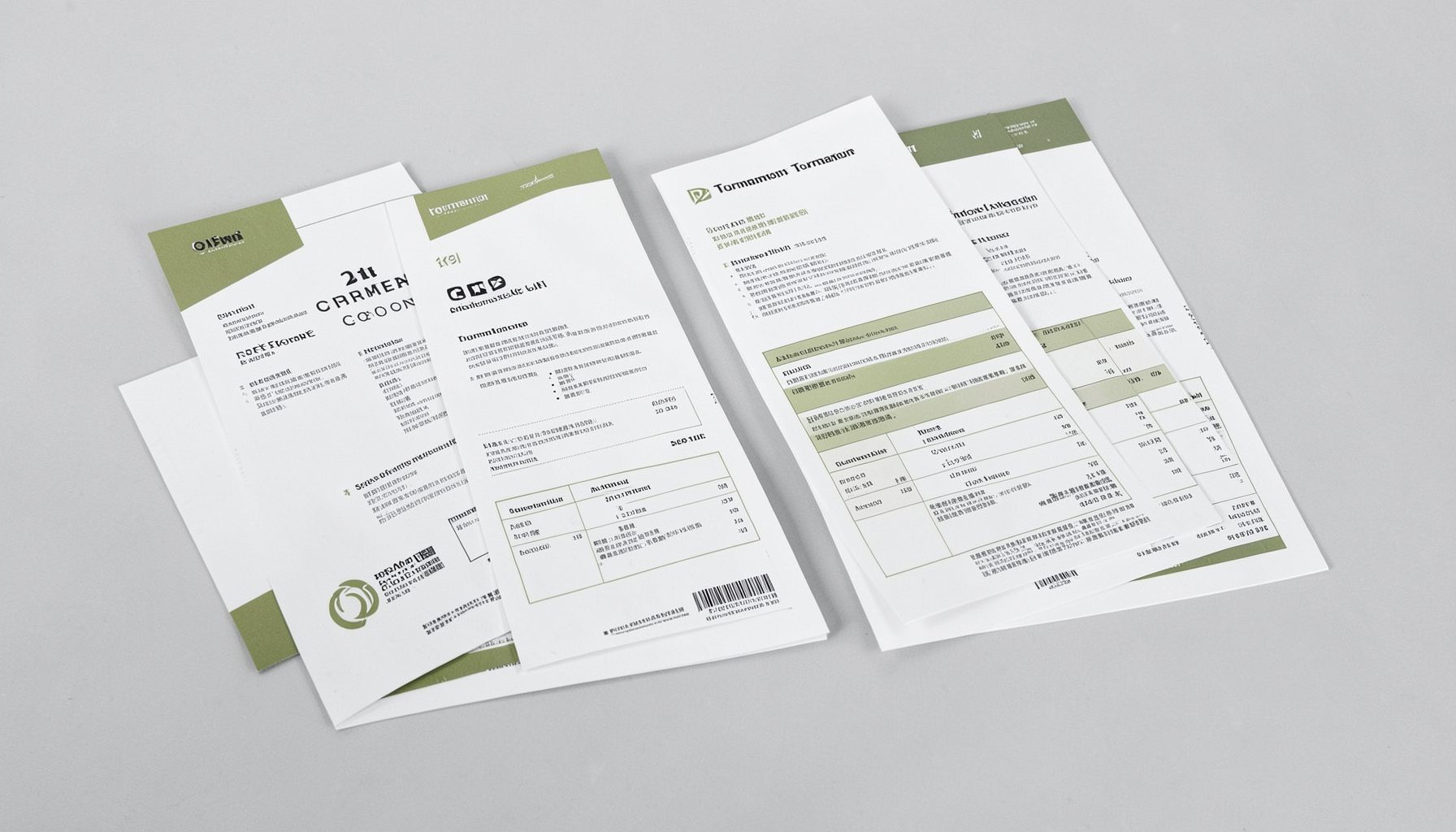
Tournament Packets
Packets from previous Kill Team events are kept here alongside new packets for upcoming tournaments, so organizers and players have what they need in one place.
View Event Data