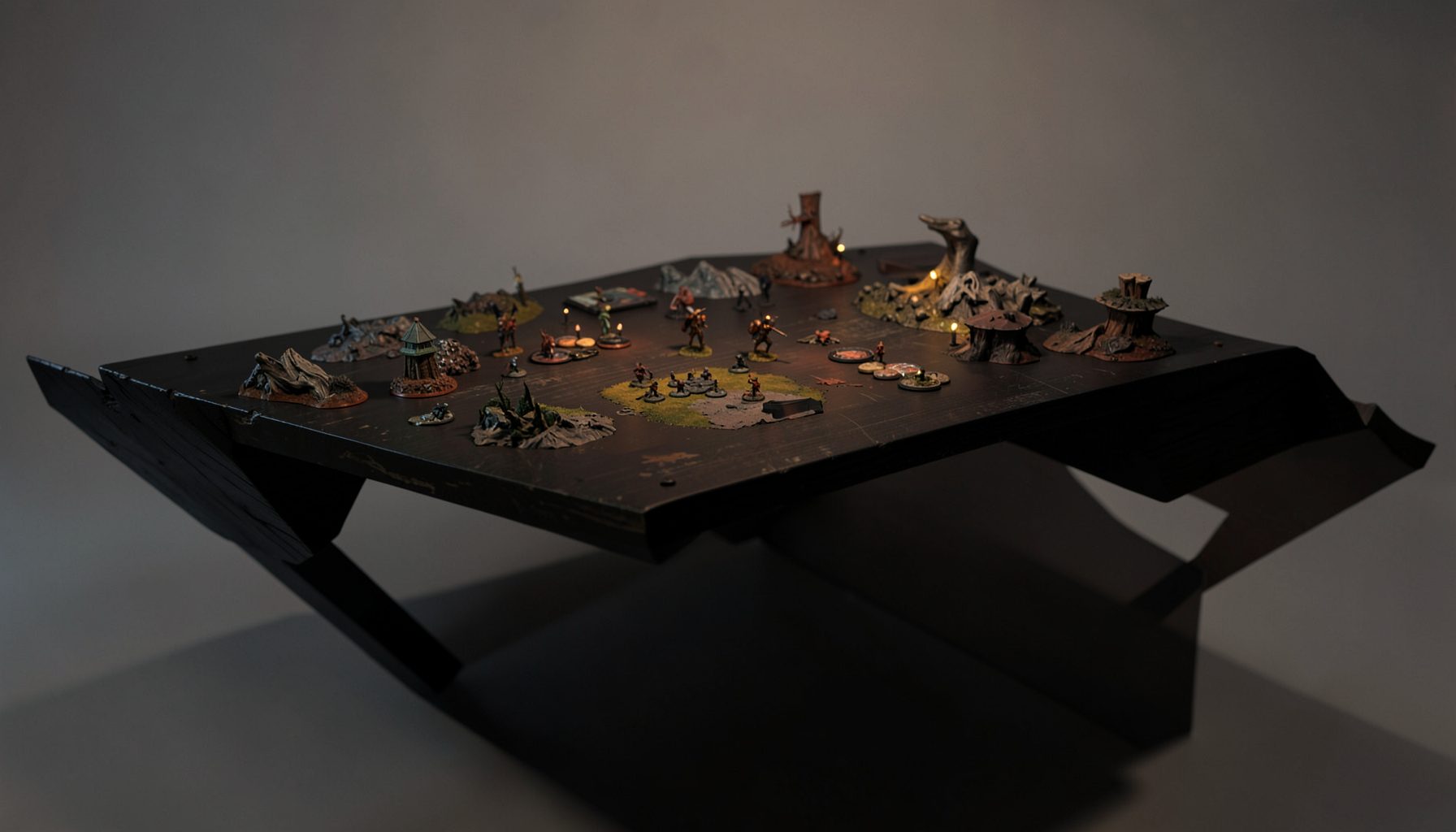
Live-streamed games, recorded matches, and event data gathered in one place.
Kill Team Stream hosts quality live streaming of Kill Team content — tournaments throughout the year on Twitch, regular games streamed to the channel, and tournament data gathered so players can see what's happening in the scene. Powered by WARHAMMER.
Browse tournamentsOfferings
Tournaments
Multiple Kill Team tournaments hosted throughout the year, all live-streamed on our Twitch channel.
Videos
Streams are recorded and uploaded to YouTube alongside original video content we produce.
Event Data
Tournament packets from past events plus resources for upcoming Kill Team tournaments.
Site Directory
Why Talons of the Emperor demand careful list building
Talons of the Emperor occupy an unusual place in the Kill Team tournament scene. They combine Custodes, the elite warriors of the Adeptus Custodes, with Sisters of Silence, specialised operatives who bring different weapons, abilities and battlefield roles. That combination gives players remarkable flexibility, yet it also creates difficult choices before the first turning point begins.
Most Kill Teams ask players to balance a compact roster of similarly scaled fighters. Talons approach the problem differently. A Custodian can dominate a combat lane, survive punishment and threaten several enemies at once, while a Sister may be better suited to screening, holding an objective or completing a mission action. Building a legal and effective team means deciding how much reliability comes from elite power and how much comes from model count.
The faction is especially interesting in a competitive environment because its strongest-looking option is not always the best tournament option. A roster full of Custodes can hit extremely hard, but it may struggle to cover multiple objectives. A larger Sisters presence improves board coverage and activation flexibility, but gives opponents more opportunities to remove models and exploit weaker profiles.
For Australian players travelling between events in Sydney, Melbourne, Brisbane, Perth or Adelaide, those trade-offs can become even more significant. Tournament packets, terrain layouts and local metagames vary, while the Australian Warhammer market can make a last-minute switch between a premium Custodes-heavy force and additional Sisters less convenient or affordable.
Elite power versus activation count
The central list-building decision is the balance between Custodian operatives and Sisters of Silence. Custodes provide exceptional durability, melee threat and ranged pressure, but every model lost from a small team reduces the number of actions available during the turning point. A four-operative elite force can appear overwhelming until an opponent controls several objectives at once.
Sisters solve part of that problem by adding bodies and more activations. They can spread across the board, perform mission actions and force the opponent to divide attention. The cost is that they usually cannot trade as efficiently in direct combat. A player choosing the mixed option must judge whether the extra activations will generate enough mission value before the Sisters are exposed.
This makes Talons list construction less about selecting the most powerful datasheets and more about purchasing useful actions. A Custodian that fights, moves and threatens a large area may be worth several weaker operatives in a narrow corridor. In an open layout with distant objectives, however, model count can matter more than raw statistics.
A roster must cover different jobs
Talons benefit from thinking in battlefield roles rather than simply counting weapon profiles. The roster may need an aggressive Custodian for a central charge, a durable operative for contesting a key objective and Sisters capable of taking actions without sacrificing the team’s main threat. Weapon choices should support those jobs instead of creating a collection of fighters who all want the same lane.
The challenge grows because the faction’s models often have overlapping strengths but different practical uses. A spear-wielding Custodian may offer a broad answer to many opponents, while a specialised weapon can be more valuable against armour, dense cover or elite targets. Sisters may also differ in how well they support shooting, close combat or utility actions.
Competitive players should examine the likely mission pack before finalising the roster. Events that reward central control may favour a tougher mixed force. Missions with several separated objectives can make additional Sisters more attractive. The best choice in a local Melbourne league may not translate directly to a major event in Sydney with a different terrain package.
Weapon selection carries a high opportunity cost
Every weapon choice matters more when the team has few models. A Custodian equipped for close combat may be terrifying once engaged, but the list still needs a way to influence enemies before the charge. A ranged option can create pressure across the board, though it may give up some certainty in the fights that elite operatives are expected to win.
That tension is central to Talons strategy. Players must decide whether to specialise in a clear plan or build a more general-purpose force. Specialisation can punish a predictable opponent, especially on dense terrain, but a balanced loadout is often safer across an entire tournament weekend. Australian events frequently draw mixed fields, from experienced operatives testing refined meta lists to newer players bringing unconventional teams, so flexibility has practical value.
Equipment choices should be judged by action economy as well. An upgrade that improves a single attack may be less useful than equipment that protects an operative, improves positioning or creates a reliable mission play. Since Talons cannot replace casualties easily, defensive and mobility tools can preserve the team’s ability to score late in the turning point.
Deployment determines whether the list works
A Talons roster can look excellent on paper and still fail if its operatives begin in the wrong places. Custodes need access to meaningful threats, but exposing them too early lets an opponent concentrate attacks. Sisters need enough protection to survive their first actions, while still beginning close enough to objectives to generate value.
Deployment is therefore part of list building, not merely a pre-game routine. A force built around a small number of elite models needs a plan for obscuring them, staging behind terrain and threatening multiple routes. Readers exploring pre-game deployment will find that initial placement can shape the entire exchange of activations.
Terrain also changes the relative value of each faction component. Heavy obscuring terrain may allow Custodes to approach safely and reduce the need for extra bodies. Sparse boards can make Sisters vulnerable while forcing elite operatives to spend actions crossing open ground. Players who watch streamed tournaments on Kill Team Stream can often see this difference clearly: the same faction performs very differently when deployment zones and cover create different movement puzzles.
Mission actions expose the faction’s limits
Talons are naturally comfortable when the mission rewards eliminating key enemy models. Their elite operatives can create decisive combat swings, and a surviving Custodian can often remain dangerous deep into the battle. Missions that require several simultaneous actions expose a more awkward side of the faction.
A team with fewer operatives has fewer spare actions. Moving onto an objective may mean giving up a shot, charge or defensive position. A Sisters-heavy force handles these demands more comfortably, but its operatives may need careful escorting to prevent the opponent from removing easy scoring pieces. List construction should therefore begin with the question of how the force will score, rather than how it will win fights.
Tac Ops and secondary-style choices deserve the same attention. A plan that depends on repeated combat success may be unreliable against a cautious opponent. A plan that rewards board control can work well with extra Sisters, provided the player protects them during the early turning points. Talons lists need realistic scoring routes that remain available after the first exchange.
Matchups can change the ideal composition
The faction’s mixed identity creates unusual matchup calculations. Against a horde, Custodes may remove enemies efficiently, but the opponent can still occupy large parts of the board. Against another elite team, the extra Sisters may become liabilities if they cannot survive direct engagements. Against a shooting force, the list must find safe staging positions and avoid losing key operatives before they contribute.
There is no universally correct Custodes-to-Sisters ratio for every event. A local meta dominated by elite marines may reward more reliable high-damage attacks. A Brisbane tournament with several swarm and objective-heavy teams may make activation count more important. Players should review recent results, practise against likely opponents and consider how the event’s terrain changes each matchup.
This is also why copying a winning list can be misleading. The list may have succeeded because of a particular player’s deployment skill, a favourable pairings run or terrain that supported its plan. Talons demand an understanding of why the composition works. Without that understanding, a borrowed roster can become a collection of expensive models with no coherent scoring pattern.
Practice should test decisions, not just combat
Talons players get the most from practice games when they record the choices that created problems. Did the team lack a model for an objective action? Did a Custodian spend two turning points walking instead of threatening the enemy? Did the Sisters die because the list lacked a safe route, or because deployment exposed them unnecessarily? These questions reveal list weaknesses more accurately than a simple win-loss record.
It is useful to practise the same roster on several terrain styles. Australian clubs and stores often use different layouts, and an event in Perth may feel very different from a packed gaming room in Sydney. Players should test open firing lanes, dense central terrain and boards with separated objectives. The goal is to learn which operatives can adapt and which choices only function in ideal conditions.
Recorded matches and tournament commentary can add another layer of preparation. Watching how experienced players preserve activation advantage, delay a charge or use a supposedly weak operative for a mission action helps turn abstract list choices into practical habits. Talons reward players who understand timing, spacing and threat projection as much as those who know the faction’s datasheets.
Building for the event environment
Tournament preparation should include the event packet, terrain rules and the limits of the local collection. Rules updates can alter the value of particular operatives, weapons or abilities, so players should check the current matched-play documents rather than relying on an old roster saved from a previous edition. Organisers may also clarify model limits, equipment choices and deployment procedures.
Budget is a genuine factor in Australia. Import costs, postage and limited local stock can make it expensive to assemble several versions of a Talons force. A sensible collection begins with models that support multiple compositions, then adds specialist options as the player identifies recurring needs. Magnetising or painting a flexible set of operatives can be more practical than buying a completely separate list for every matchup.
The strongest Talons lists usually have a clear identity: elite pressure supported by enough utility to score, or broad board control backed by a few exceptional fighters. Their unique challenge is making those ideas work together without allowing one half of the team to become dead weight. When the composition, deployment plan and mission strategy align, the faction can turn its unusual structure into a major competitive advantage.
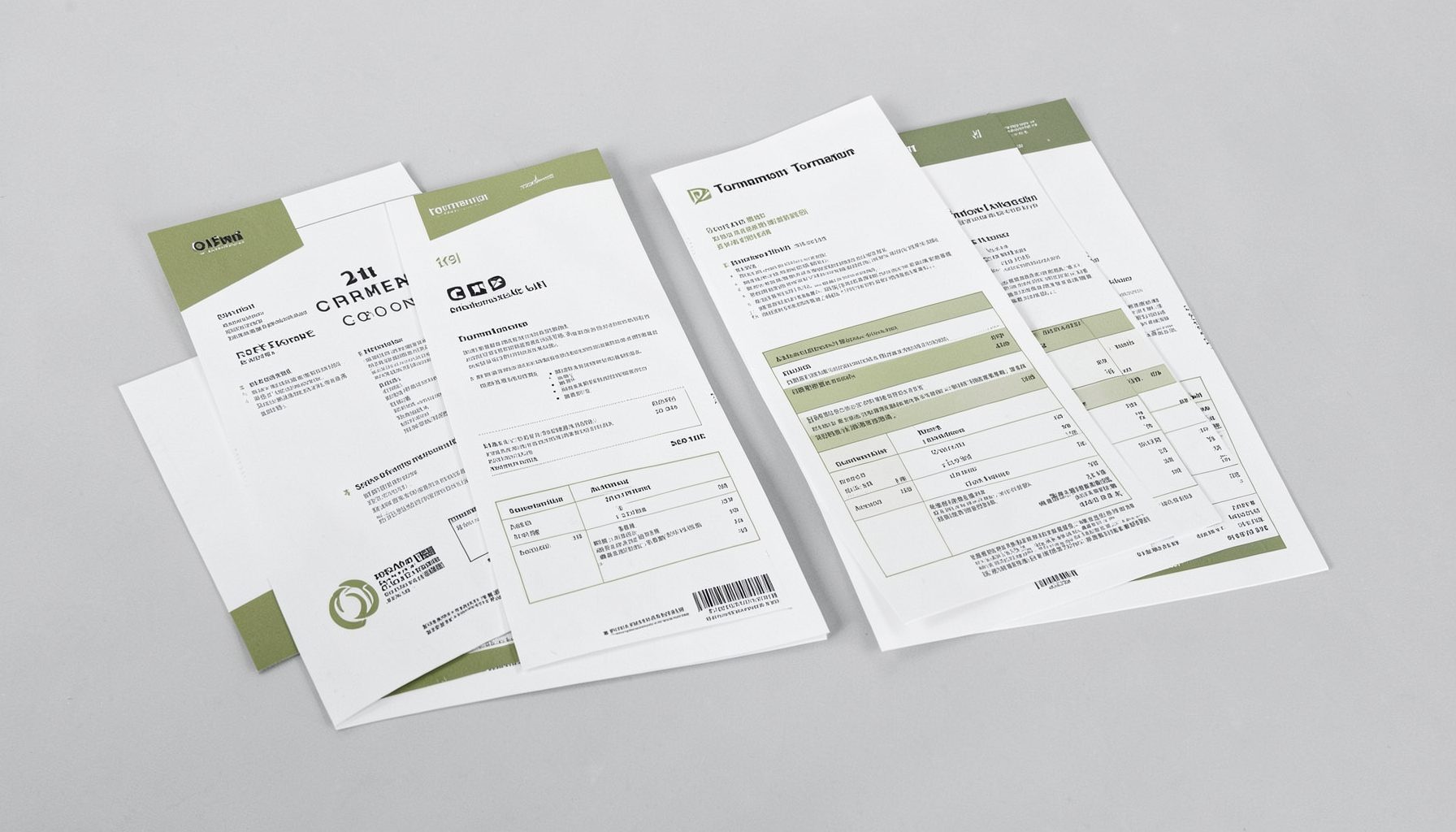
Tournament Packets
Packets from previous Kill Team events are kept here alongside new packets for upcoming tournaments, so organizers and players have what they need in one place.
View Event Data